What is Żabka, and why does half of Poland's internet joke about it? If you've spent any time on Polish TikTok or scrolled a "you know you live in Poland when" thread, you've seen the little green frog logo pop up as both a punchline and a point of national pride. Żabka is a convenience store chain — but calling it "just a convenience store" undersells how deeply it's wired into daily life, humor, and identity here.
This matters for more than trivia. Understanding why a chain of corner shops became a cultural touchstone tells you something real about how Poles talk about their own country: with a mix of self-deprecation, genuine affection, and an inside joke that only makes sense once you've actually lived it. If you want to sound less like a tourist and more like someone who gets the room, Żabka is a surprisingly good place to start.
Locals will tell you, half-joking, that you haven't really experienced Poland until you've bought a hot dog from one at 2am. That's not an exaggeration — it's the entire meme in one sentence. And once you understand why that joke lands, you understand something most textbooks skip entirely: what a Polish convenience store actually means to the people who live near one.
What Is Żabka, Exactly?
Żabka ("little frog" in Polish) is a franchise convenience store chain founded in 1998 by entrepreneur Mariusz Świtalski. What started as a regional grocery operation is now the largest convenience network in Central and Eastern Europe, with well over 10,000 stores across Poland run mostly by independent franchisees under the parent company's brand and supply chain, according to Wikipedia's overview of the chain.
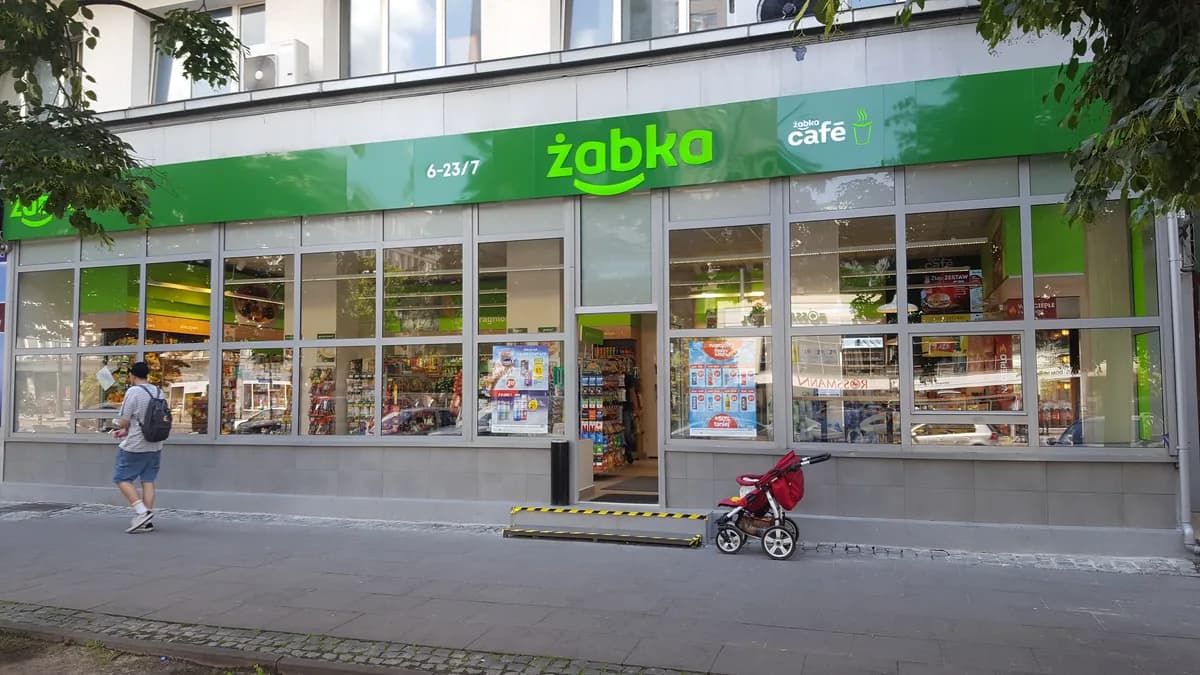
Featured photo: Wistula, CC BY-SA 4.0, via Wikimedia Commons — a real Żabka storefront on Marszałkowska street in Warsaw.
The name and the frog logo are almost too cute for how ubiquitous the chain actually is. Nearly a third of Poland's population lives within about 300 meters of a store, according to reporting from Notes From Poland, which covers the chain's rapid expansion in detail. That density is exactly why the joke works: you cannot walk more than a few blocks in most Polish cities without passing one, sometimes two on the same street.
Unlike a Western 7-Eleven or Circle K, Żabka sits in an odd, useful spot between a gas-station shop, a small grocery store, and a fast-food counter. You can grab breakfast ingredients, pay a utility bill, buy a bus ticket, and eat a hot meal standing at the counter — all in the same five-minute stop.
There's also a small grammar detail that trips up learners the first time they hear it spoken. Poles rarely say "I'm going to Żabka" in the nominative form you'd expect from a dictionary. Instead you'll hear "Idę do Żabki" — the genitive case turns "Żabka" into "Żabki." It's a tiny, very real example of why Polish cases matter: the name of the country's most-memed store changes shape depending on the sentence around it, the same way every other noun does.
Why Żabka Became Poland's Favorite Meme
"I Came to Poland for the Culture"
The joke format goes roughly like this: someone posts a moody, cinematic photo captioned "I came to Poland for the culture," and the punchline photo is a glowing green Żabka storefront at night, or a hot dog wrapped in foil. It's a gentle, self-aware roast of how normal and unglamorous daily Polish life actually is compared to the postcard version — castles, folk costumes, historic squares — that tourism boards sell abroad.
The humor isn't really about the store being bad. It's about honesty. Locals know that "culture" in the lived, everyday sense is just as much a late-night snack run as it is a museum. That gap between the marketed image of a country and the real texture of living there is a rich vein for meme culture everywhere, and Żabka happened to be the perfectly recognizable prop for the Polish version of the joke.
A Frog on Every Corner
Part of what makes the meme travel so well is sheer repetition. If you've ever noticed a single fast-food logo repeating on every block of a city and thought "how many of these does one street need," you've already felt the Żabka effect — it's just turned up to an extreme in Poland. That saturation turns an ordinary shop into shorthand: showing a Żabka in a photo instantly signals "this is Poland" to anyone who's been here, the same way a red double-decker bus signals London.
Poles use the meme affectionately, not bitterly. Bringing it up with a Polish friend — recognizing the joke instead of asking "what's that green frog everywhere?" — is a small but real signal that you've paid attention to how people actually live here, not just what's in the guidebook.
How the Żabka Meme Spread Beyond Poland
What started as a domestic, mostly Polish-language joke didn't stay contained for long. Polish students and workers abroad — in the UK, Ireland, Germany, and beyond — kept the format alive online, tagging photos of any generic corner shop with "basically Żabka" whenever it reminded them of home. It became a small marker of diaspora identity: an inside reference that instantly outs you as Polish, or at least as someone who's spent enough time around Polish friends to get it.
Reddit threads in r/Poland and similar communities helped the Żabka meme cross over to a wider, partly non-Polish audience too, usually framed as "things only Polish people will understand." That crossover is part of why the joke is worth knowing even if you're not fluent yet — it shows up in exactly the kind of casual, meme-literate conversation that textbooks don't prepare you for, but real friendships are built on.
It also helps that the joke scales in both directions. A tourist who's only spent a weekend in Warsaw can still get the punchline instantly, because the visual — a glowing green sign on an otherwise unremarkable street corner — needs zero cultural background to read as "generic convenience store." The deeper layer, the one that actually makes Poles laugh rather than just foreigners nodding along, is knowing just how disproportionate the ubiquity is: that this isn't one chain among several equally common options, but the default, ambient backdrop of Polish street life in a way few single brands manage anywhere else.
What's Inside a Żabka (And Why Locals Actually Go There)
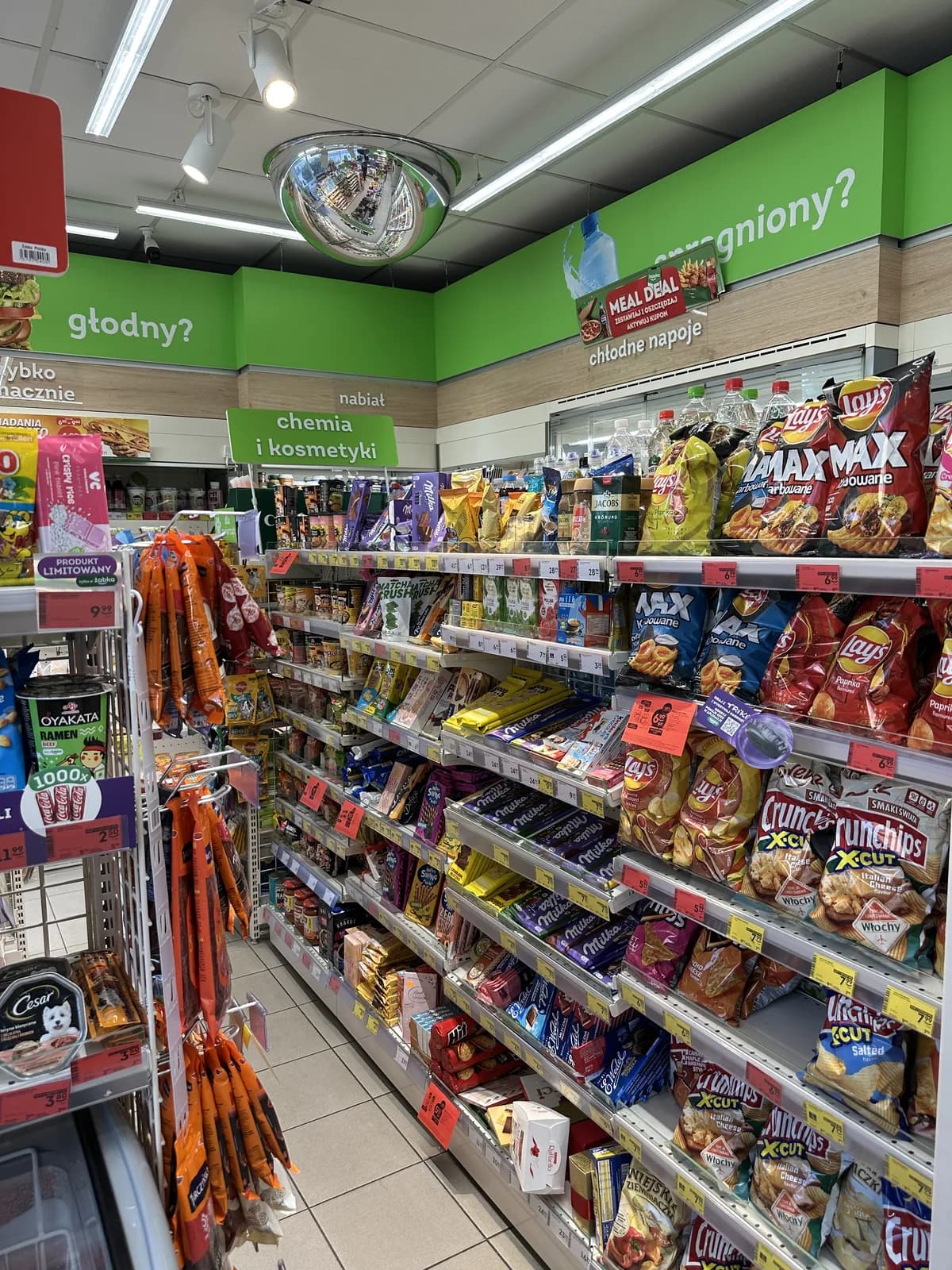
Walk into a Żabka and the first thing you notice is how much is packed into a small footprint. Snacks alone take up a serious chunk of floor space — chip bags in every flavor Poland has decided chips should come in, chocolate bars, cookies, and instant ramen cups by the register for anyone in a hurry. It's less "convenience store snack aisle" and more a small, tightly curated grocery store's worth of things to eat standing up.
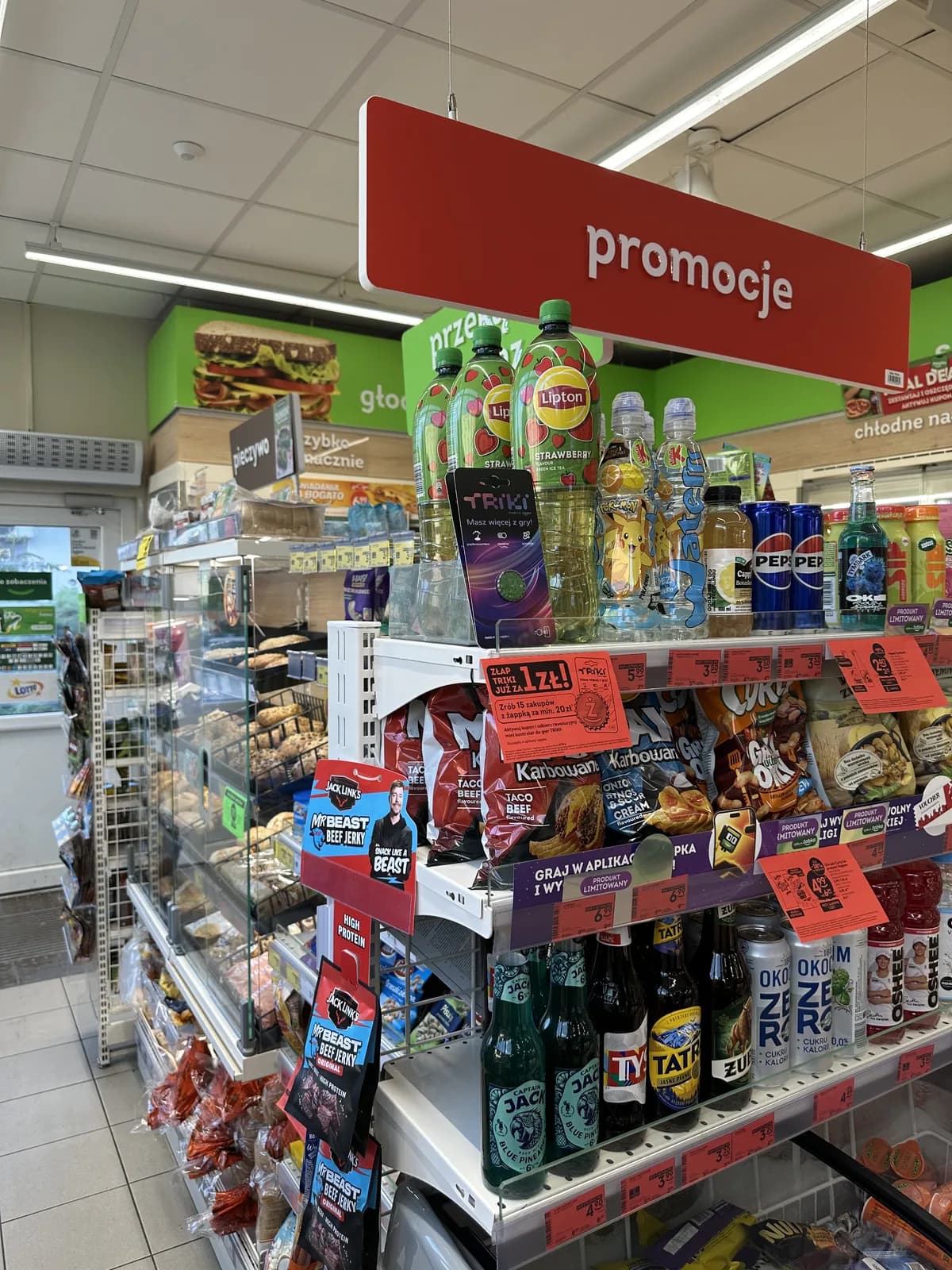
Drinks get just as much shelf space — bottled iced tea, flavored water, energy drinks, and soda sit alongside the day's promotional deals, which change constantly enough that regulars check the red price tags out of habit. It's also where the beer starts creeping in: even the "drinks" shelf usually has a few craft bottles mixed in before you even reach the dedicated cooler.
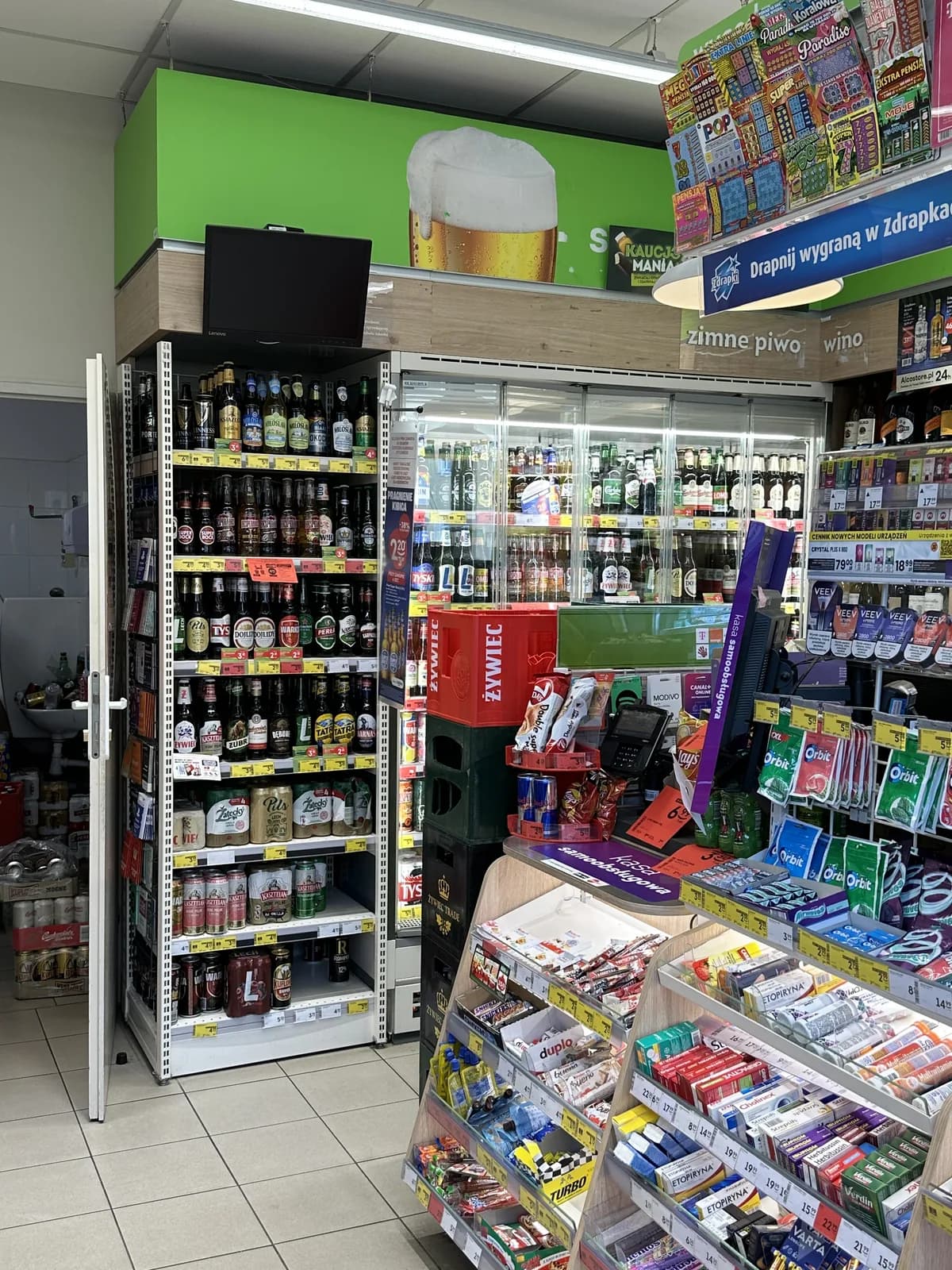
That's because Żabka takes beer seriously. Most stores have a full cooler section — "zimne piwo," cold beer — stocked with everything from mainstream Polish lagers like Żywiec and Tyskie to imported and craft options, plus wine nearby for anyone shopping for dinner rather than a night in. Buying alcohol at a Żabka is such a normal part of Polish life that "I'll just grab it from Żabka" covers beer the same way it covers a hot dog or a coffee.
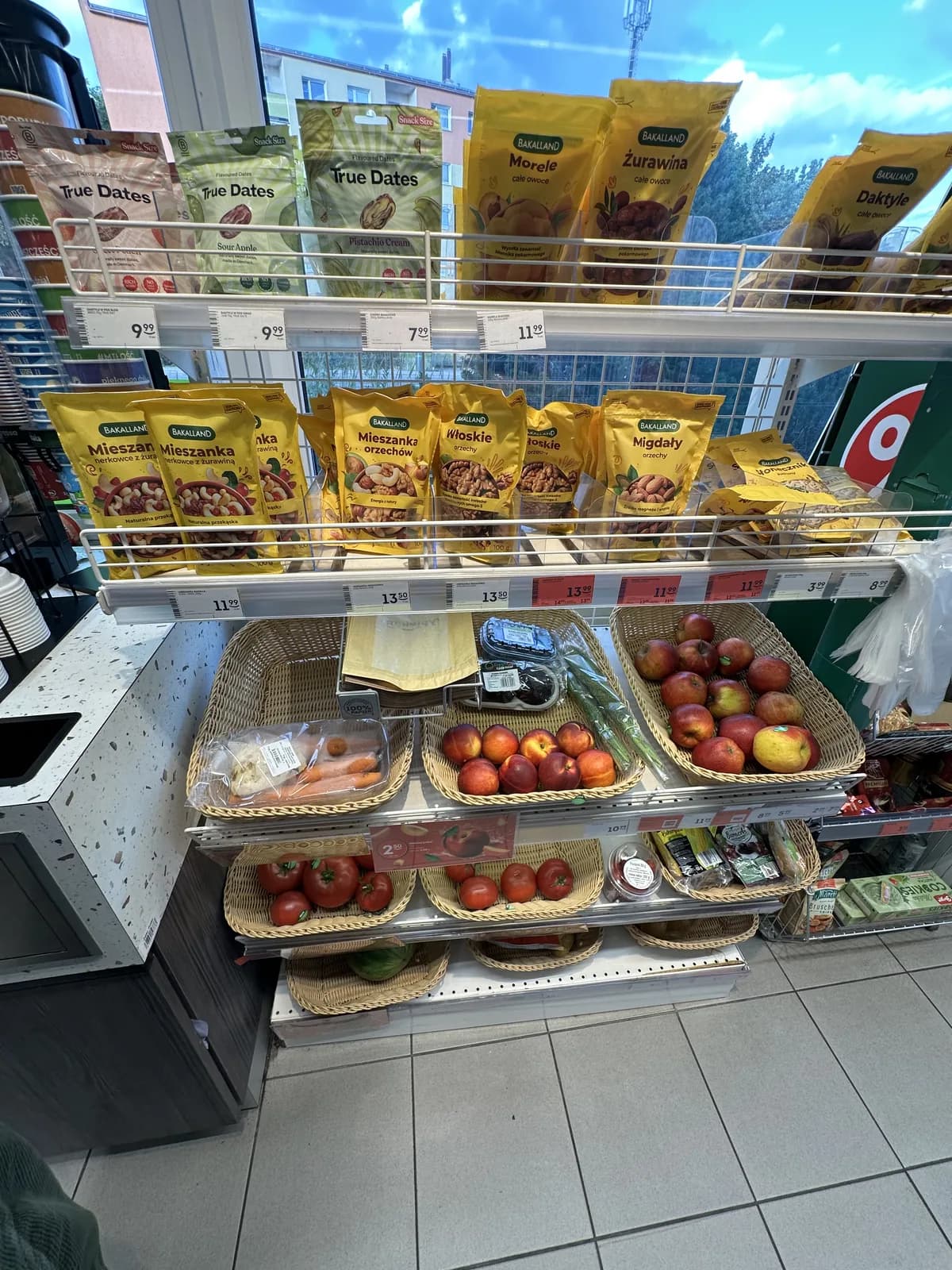
What surprises a lot of first-time visitors is the produce corner. It's not a full grocery store's fruit and vegetable aisle, but most locations keep a small, rotating selection — apples, nectarines, tomatoes, sometimes cucumbers or peppers — alongside dried fruit and nut snack packs for something a little healthier than chips. Add in the fresh milk, dairy, and bread you'll find near the register, and a Żabka run can genuinely cover breakfast, not just a midnight snack.
The chain has also leaned hard into technology. Its Żappka mobile app, used by millions, lets customers pay, collect loyalty points, and even open cashierless "Żabka Nano" store doors with their phone. It's an odd contrast: a shop built on old-school corner-store convenience, running some of the most digitally forward retail tech in the country.
Regional and seasonal touches matter too. Around winter you'll find warm spiced wine (grzaniec) by the register; in summer, a freezer case of ice cream bars becomes the unofficial neighborhood hangout spot for kids on bikes. Frozen pierogi, local dairy brands, and own-label snacks sit right next to international staples, which is part of why the shelves feel distinctly Polish even though the format — quick, small, always open — could describe a convenience store anywhere in the world.
The Legendary Żabka Hot Dog
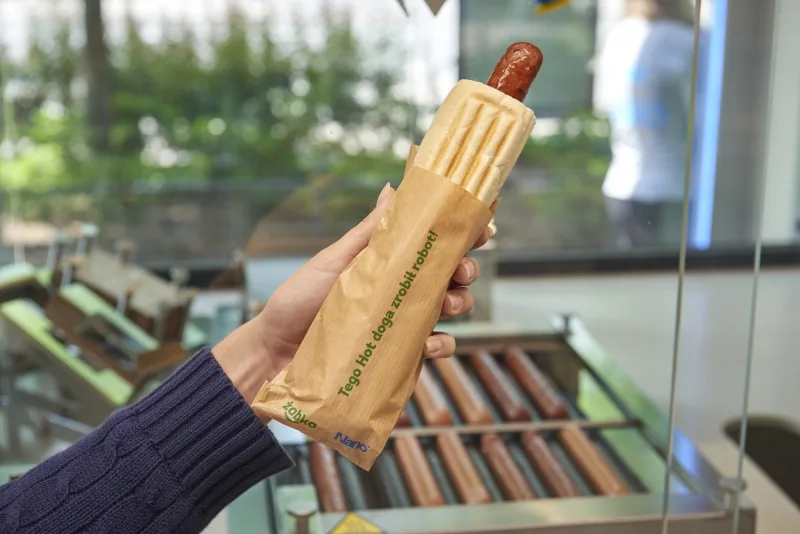
No conversation about what is Żabka is complete without the hot dog. It's become its own micro-legend: cheap, always available, faintly absurd to praise this seriously, and somehow completely reliable at 3am after a night out. Żabka's own CEO has described the chain's identity around exactly this kind of item — as he told Notes From Poland, "you can buy both a hot dog, as well as an assortment of ingredients that you might need for breakfast the next day," which is basically the whole business model in one sentence.
Part of the ritual is the sauce station next to the grill. A standard order gets you a choice of ketchup, mustard, mayo, and usually a garlic or barbecue sauce, plus fried onions if the store stocks them — and nobody judges you for using all of them at once. Regulars have strong, specific opinions about the "correct" combination, which is itself a small piece of the culture worth picking up.
Ordering one is a genuinely useful first real interaction in Polish for a beginner. The vocabulary is short, the stakes are low, and the payoff — a warm snack at midnight — is immediate. If you want the actual words and phrases for ordering food and drinks anywhere in Poland, not just at the counter of a corner shop, this lesson walks through it step by step:
Ordering Food & Drinks
Żabka Pizza: The Hot Dog's Quieter Sibling
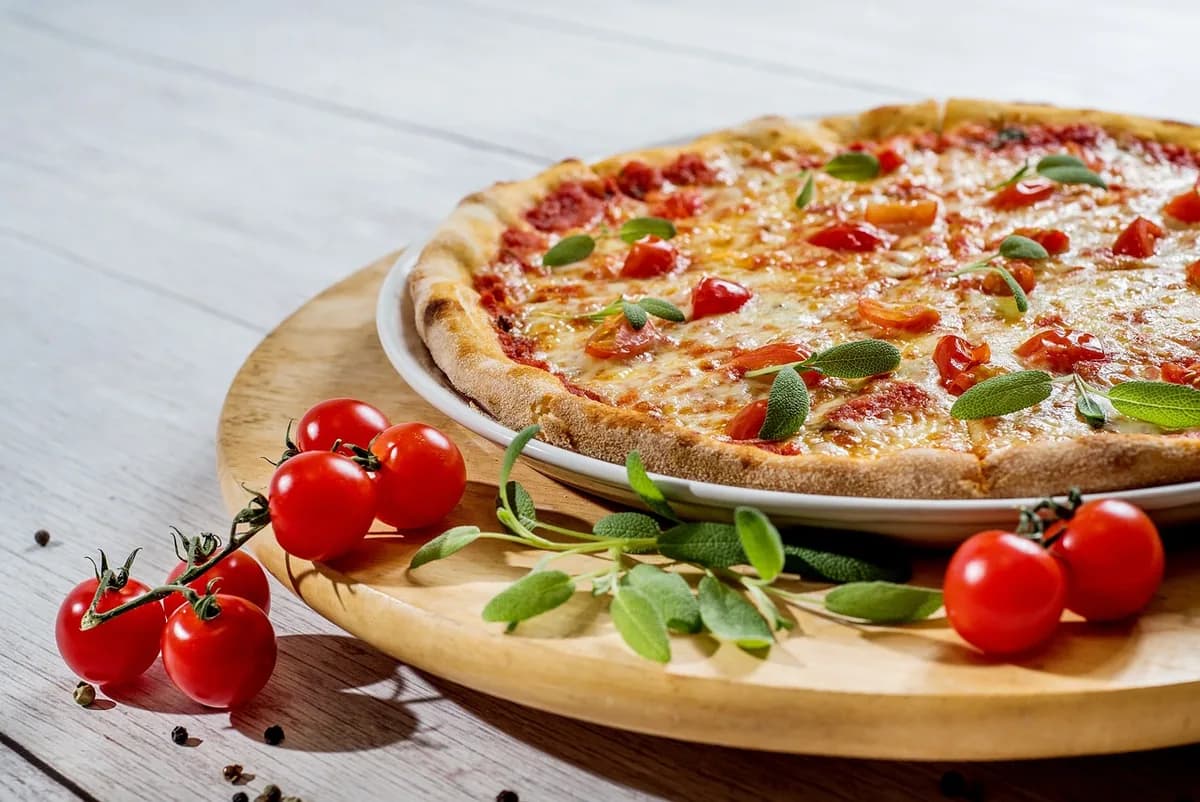
The hot dog gets all the meme attention, but plenty of Żabka regulars will tell you the in-store pizza is the better order. Sold by the slice or as a small personal pizza, baked fresh in-store rather than microwaved, it's become a legitimate lunch option for people working nearby rather than just a late-night impulse buy.
Just like the hot dog, the pizza counter usually comes with its own lineup of sauces to add on top — chili oil, garlic sauce, and ketchup are the most common, and yes, ketchup on pizza is a genuinely normal Polish habit, not a joke. Between the hot dog and the pizza, the sauce selection alone is enough to turn a two-minute grab-and-go stop into a small personal ritual.
Żabka Coffee and the Żappka Culture
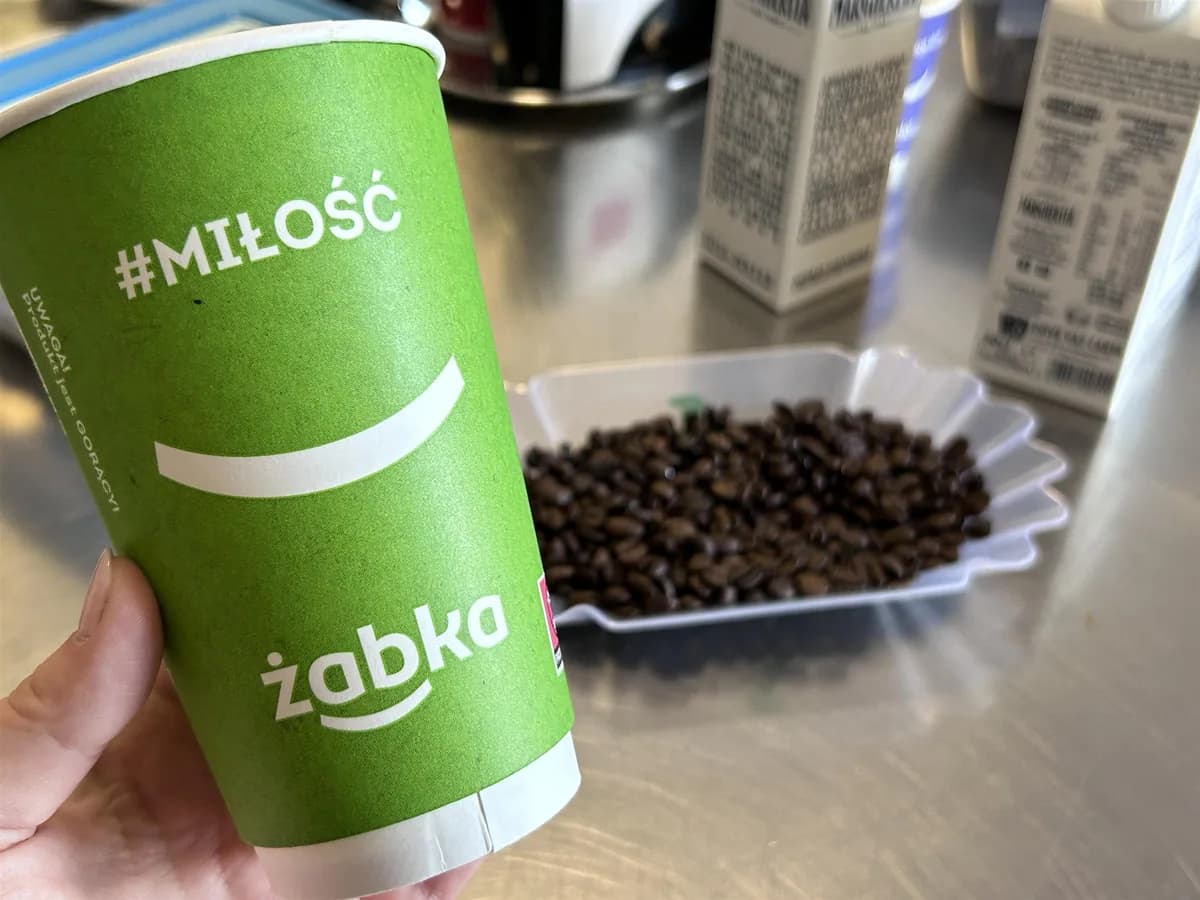
Coffee-to-go from Żabka is its own small ritual for a lot of commuters, cheaper and faster than a café stop and just as habitual. Combined with the app's loyalty points, a lot of regulars end up visiting the same store daily — sometimes more than once — which is part of why the brand feels less like "a chain" and more like a fixture of the neighborhood, almost like a bus stop or a corner mailbox.
That daily-ritual quality is exactly what separates Żabka from a typical Polish convenience store you'd find in most other countries. A Western gas-station shop is a place you stop at reluctantly, mid-errand. A Żabka is closer to a habit — the first stop of the morning commute, the last stop before a night in, the place you run into a neighbor without planning to.
Poznań: Where the Little Frog Started
Żabka is headquartered in Poznań, a mid-sized city in western Poland that's often overlooked by first-time visitors in favor of Kraków or Warsaw. It's a useful reminder that plenty of the country's biggest cultural exports — companies, memes, and otherwise — don't necessarily come from the capital.
Poznań has a long history as a trade and commerce hub, sitting on old routes between Warsaw and Berlin, so there's a certain logic to a retail empire growing out of it rather than the more tourist-facing cities. Locals from Poznań will sometimes note, with a bit of pride, that the store everyone in the country jokes about started in their backyard — a small but genuine point of civic identity in a city that doesn't always get the spotlight.
Poznań itself is worth a slower look if the meme sends you down a research rabbit hole: a compact old town, a strong food scene, and a much lower tourist density than Kraków's. If you're building out your travel Polish before a trip anywhere in the country, our guide on essential Polish phrases for travelers covers the basics you'll actually use at counters like these, not just in textbooks.
Why Understanding the Żabka Joke Helps You Fit In
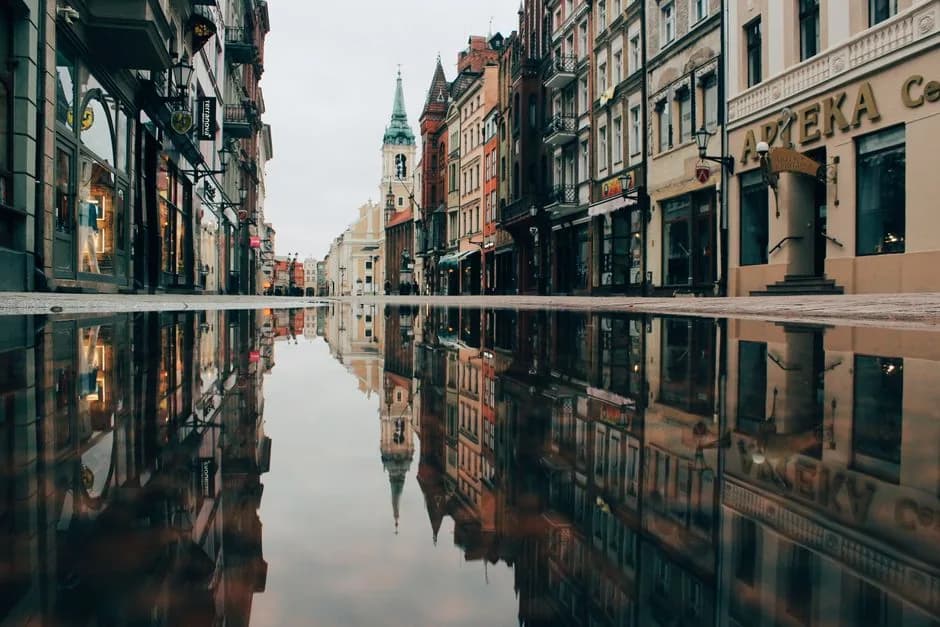
This is really the point of the whole exercise. A learner who can conjugate every verb correctly but doesn't get why a photo of a hot dog and a green frog store makes an entire group of Polish friends laugh is still missing something that grammar books don't teach: the shared references that make you feel like an insider instead of a guest.
Memes are compressed culture. They assume shared context, and getting the joke means you've absorbed a piece of that context — how people actually talk about their own country, what they find funny about themselves, what's mundane versus what's exotic to outsiders. Żabka is a low-stakes, genuinely fun entry point into that kind of cultural fluency, precisely because it's small and everyday rather than a big formal institution.
The same idea applies well beyond convenience stores. Every country has its own version of this — a chain, a snack, a TV jingle — that means nothing on paper but instantly signals belonging once you recognize it. Building that kind of vocabulary, the unofficial cultural kind rather than the textbook kind, is exactly what closes the gap between speaking a language and actually living inside a culture. Learners who only study grammar and vocabulary in isolation often report feeling technically correct but socially outside the conversation; recognizing a meme like this one is a small, concrete step toward closing that gap.
Our guide to Polish food culture goes deeper into how food, more broadly, functions as a social language in Poland — from home cooking traditions to exactly this kind of convenience-store humor. Between the two, you'll have a much better sense of what locals mean when they joke about "coming to Poland for the culture."
Frequently Asked Questions
What does "Żabka" mean in Polish? It translates to "little frog," which is also why the logo is a green frog. The diminutive "-ka" ending makes it sound small and friendly rather than formal.
Is Żabka only in Poland? It's overwhelmingly Polish, though the parent company has begun testing expansion into Romania under a different brand name, and it previously had a limited presence in the Czech Republic and Slovakia.
Why do people joke about Żabka instead of complaining about it? The humor is affectionate, not critical. It pokes fun at how ordinary daily life looks compared to the "highlight reel" version of a country that tourism marketing sells, and Poles generally find that gap funny rather than embarrassing.
Is the Żabka hot dog actually good? Ask ten Poles and you'll get ten different answers, usually delivered with a laugh. What's not up for debate is that it's cheap, available at 2am, and has become a genuine cultural fixture regardless of the verdict on taste.
Do I need the app to shop there? No — you can walk in and pay like at any store. The Żappka app just adds loyalty points, mobile payment, and access to the unstaffed "Nano" locations.
How do I say "I'm going to Żabka" in Polish? "Idę do Żabki." The store name shifts from "Żabka" to "Żabki" because of the genitive case — a small, real-world example of how Polish noun endings change depending on their role in the sentence.
Next time you're walking a Polish street and spot that green frog sign for the fifth time in ten minutes, you'll know exactly why locals find that so funny — and you'll have a genuinely good icebreaker for your next conversation with a Polish friend.