Reflexive verbs in Polish all lean on one tiny word: się. It shows up in some of the first phrases every learner memorizes — nazywam się, jak się masz, ciesz się — and yet almost nobody explains what it's actually doing there. Most textbooks translate się as "-self" and move on, which works for exactly one of its six jobs and leaves you guessing for the other five.
That gap matters because się is not optional decoration. Drop it from uczyć się and you've accidentally said "to teach" instead of "to study." Drop it from bać się and the sentence doesn't mean anything at all — the verb bać doesn't exist without it. Się also has its own word-order habits that don't map onto English, so even learners who know the vocabulary often place it in a spot that sounds foreign to a native speaker.
This guide breaks się into the patterns you'll actually run into: true reflexives, reciprocal actions, verbs that only exist with się, the impersonal "one does" construction, and where to put the word once you've chosen the right verb.
What Się Actually Is: Poland's Single Polish Reflexive Pronoun for Every Person
English has a different reflexive pronoun for every person — myself, yourself, himself, ourselves. Polish has exactly one, and it never changes: się. Whether the subject is ja (I), ty (you), on (he), or oni (they), the reflexive marker stays identical. Myję się means "I wash myself," and myją się means "they wash themselves" — same się, different verb ending.
That single form is technically called an oblique reflexive pronoun, and it's grammatically distinct from Polish's other reflexive pronoun, siebie, which does decline (siebie, sobie, sobą) and is used for emphasis or after prepositions — dla siebie ("for myself"), ze sobą ("with myself/oneself"). Się is the short, unstressed, everyday form; siebie is the heavier, stressable one you reach for occasionally. For the vast majority of verbs you'll meet as a learner, się is the one that matters.
Się is also what linguists call a clitic — a word so light it can never stand alone or carry sentence stress. You can't answer a question with "Się!" the way you might blurt "Myself!" in English. It always has to attach to a verb, which is part of why its placement in a sentence follows its own rules rather than English word order.
True Reflexive Verbs: When Się Means "Myself," "Yourself," or "Themselves"
The most intuitive category is also the smallest one in everyday Polish: true reflexives, where się really does mean "-self," and the subject and object of the action are the same person. Myć się (to wash oneself), czesać się (to comb one's hair), ubierać się (to get dressed), and golić się (to shave) all work exactly the way the textbook explanation promises.
Myję zęby przed snem means "I brush my teeth before bed," but myję się przed snem means "I wash myself before bed" — the się is what turns a generic action into one performed on your own body. Czeszę włosy could technically describe combing someone else's hair; czeszę się specifically means you're combing your own.
This is the category most learners picture when they first hear the term "reflexive verb," and it's genuinely useful — but it's also the one that will mislead you if you assume every się verb works the same way. The other five patterns below don't involve "doing something to yourself" at all.
Reciprocal Się: When Two People Do It to Each Other
A second, closely related use turns się into "each other" instead of "-self." Kochać się means "to love each other," not "to love oneself." Całować się means "to kiss each other." Spotykać się, literally "to meet each other," is also how Poles say they're dating — Spotykamy się od roku means "We've been together for a year."
The logic is the same clitic, doing a different job: instead of marking that the subject and object are one person, reciprocal się marks that two or more subjects are each other's object. Poznaliśmy się na studiach ("We met each other/got to know each other at university") uses the same pattern.
Context almost always makes the reading clear. Myją się could theoretically mean either "they wash themselves" (true reflexive) or, in the right situation, describe a mutual action, but in practice verbs like kochać, całować, and spotykać are reciprocal by default when the subject is plural, while myć, czesać, and ubierać default to the true-reflexive reading. Native speakers don't consciously sort this — it just falls out of which verb you're using.
Polish Się Reflexive Verbs That Only Exist With Się
This is the category that trips up learners the hardest, because there's nothing to reason your way to — these polish się reflexive verbs simply require się as a fixed part of the word, with no independent, non-się meaning that matches. You can't "un-reflexive" them and get a related verb.
Uczyć się (to study/learn) is the classic example, and it's a trap precisely because uczyć without się does exist — it means "to teach." Uczę się polskiego is "I'm studying Polish"; uczę dzieci is "I teach children." Drop the się and you've swapped which side of the classroom you're on.
Bać się (to be afraid) has no meaning at all without się — there's no verb "bać" floating around waiting to be reflexive-ized. The same is true of śmiać się (to laugh), spieszyć się (to be in a hurry), and zastanawiać się (to wonder, to think something over).
Podobać się deserves its own mention because it restructures the whole sentence. "I like this city" doesn't translate word for word — Polish says Podoba mi się to miasto, literally "This city is pleasing to me." The city is the grammatical subject, mi ("to me") is the indirect object, and się marks the verb as inherently reflexive. Get comfortable with this pattern early, because lubić (a more direct "to like") exists too, but podobać się is what you'll hear constantly for opinions on people, places, and things.
Nazywać się (to be called/named) and cieszyć się (to be glad, to look forward to something) round out the group — Jak się nazywasz? ("What are you called?") is one of the very first questions every learner memorizes, often without realizing się is doing grammatical heavy lifting rather than just sitting there.
Impersonal Się: How Poles Talk About "Everyone" Without Saying Who
Polish also uses się to build sentences with no specific subject at all — the same job "one," "you," or "they" does in vague English statements like "you can't smoke in here" or "they say it's going to rain." Mówi się, że... means "It is said that..." or "People say that..." Jak to się mówi ("as the saying goes") uses the identical structure.
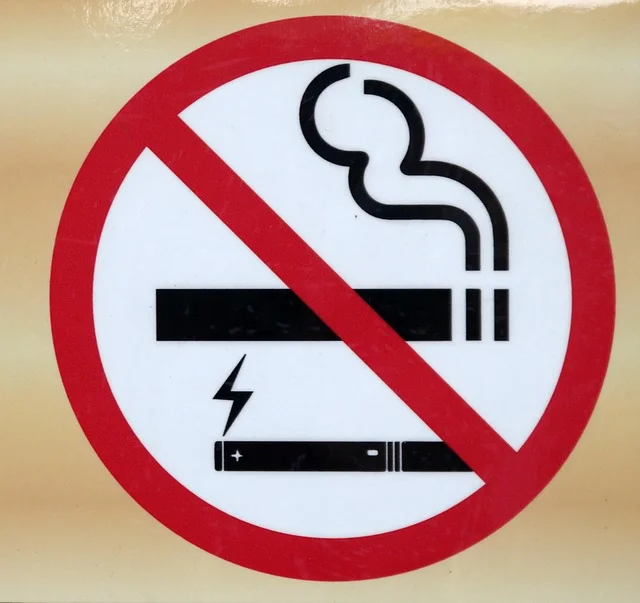
You'll see this construction constantly on Polish signs and instructions, because it's the standard way to phrase a rule without naming who it applies to. Tu się nie pali ("No smoking here," literally "one does not smoke here") and Jak to się pisze? ("How is this written?" / "How do you write this?") both drop any named subject and let się carry the impersonal meaning instead.
This pattern is closely related to what Polish grammar resources describe as subjectless sentences built with the reflexive particle się — constructions where się effectively takes the place of an unstated "someone" or "everyone." Robi się późno ("It's getting late") works the same way: nothing and no one is literally "making" it late, się just signals a general, agentless process.
For English speakers, this is often the single hardest się pattern to internalize, because English handles the same idea with a completely different toolkit — passive voice, or vague pronouns like "you" and "they" — rather than a reflexive marker. Once it clicks, though, it unlocks a huge number of everyday Polish sentences that otherwise look like they're missing a subject entirely.
Where Does Się Go? Word Order and the Second-Position Habit
Because się is a clitic, it doesn't just sit wherever feels natural in English — it tends to gravitate toward the second position in its clause, right after the first stressed word or phrase, rather than glued to the verb the way "-self" is in English. Codziennie się myję ("I wash myself every day") and Myję się codziennie are both grammatical, but a native speaker is more likely to front the time expression and let się slot in right behind it.
With negation, się still follows the verb closely, but nie attaches directly before the verb itself: nie boję się ("I'm not afraid"), nie spieszę się ("I'm not in a hurry"). The się doesn't move to accommodate the negation — it's the verb that gets nie stuck to its front.
In longer or more formal sentences, się can drift even further from the verb it belongs to, especially in written Polish, which is part of why beginners sometimes lose track of which verb a stray się is modifying. The safest approach while you're still building intuition is to keep się immediately after the verb (myję się, uczę się, boję się) and only start experimenting with fronted word order once those verb-plus-się pairs feel automatic.
One rule has no exceptions: się can never be the first word of a sentence. Even in the impersonal construction, something else always comes first — Tu się nie pali, never Się nie pali tu.
Common Mistakes English Speakers Make With Się
Most mistakes with reflexive verbs in Polish come from applying English habits to a system that works on different rules entirely. The most frequent error is translating się word-for-word as "-self" and stopping there, which works for maybe a sixth of the verbs that actually use it. Bać się doesn't mean "to fear oneself," and mówi się doesn't mean "it says itself" — treating every się as a literal reflexive leads to sentences that are grammatically formed but semantically bizarre.
A second common mistake is dropping się from inherently reflexive verbs because it feels redundant to an English speaker. Saying uczę polskiego instead of uczę się polskiego doesn't just sound slightly off — it changes the meaning to "I teach Polish," which is a real sentence with a different subject relationship, not a minor grammar slip.
Learners also frequently reach for the stressed pronoun siebie in places where the light clitic się is what native speakers actually use, producing sentences that are technically correct but sound stiff and over-formal, roughly the English equivalent of saying "I am washing myself" instead of "I'm washing up" in casual conversation.
Finally, many learners try to force English's passive voice into Polish word for word instead of reaching for the impersonal się construction that natives default to. "It is said" becomes an awkward, overly literal construction instead of the natural mówi się — recognizing when Polish wants się instead of a passive sentence is a skill that mostly comes from exposure, not memorization.
Common Questions About Reflexive Verbs in Polish
What does "się" mean in Polish? Się is Poland's single reflexive pronoun, used for every person and number. Depending on the verb, it can mean "-self" (myć się, to wash oneself), "each other" (kochać się, to love each other), nothing translatable at all as part of a fixed verb (bać się, to be afraid), or a marker for impersonal, subject-less statements (mówi się, it is said).
Is "się" always reflexive in the English sense? No. Only true reflexives like myć się and ubierać się map onto "-self." The reciprocal, inherently-reflexive, and impersonal uses covered above don't correspond to any single English grammatical category.
Where do I put "się" in a Polish sentence? Directly after its verb is the safest, most common placement while you're learning (uczę się, boję się). Native speakers often shift it toward the second position of the clause in longer sentences, but it can never open a sentence.
What's the difference between "się" and "siebie"? Się is the short, unstressed clitic used in ordinary reflexive and impersonal verbs. Siebie is the fuller, stressable reflexive pronoun that declines by case (siebie, sobie, sobą) and appears after prepositions or when you need emphasis — dla siebie, ze sobą.
Can "się" completely change what a verb means? Yes — uczyć ("to teach") versus uczyć się ("to study/learn") is the clearest example. Always check whether a verb's się form has drifted from its non-się meaning rather than assuming it's just adding "-self."
Why do Polish signs so often use "się"? Because the impersonal się construction is the standard way to phrase an instruction or rule without naming who it applies to — tu się nie pali ("no smoking here") is grammatically closer to "one does not smoke here" than to a direct command.
Key Facts: Się at a Glance
| Function | Example | English meaning |
|---|---|---|
| True reflexive | myć się | to wash oneself |
| Reciprocal | kochać się | to love each other |
| Inherently reflexive | bać się | to be afraid |
| Restructured opinion verb | podoba mi się | I like it (lit. "it pleases me") |
| Impersonal/subjectless | mówi się | it is said, people say |
| Mediopassive | drzwi się otworzyły | the door opened (by itself) |
Six patterns, one small word — that's really the whole story of się. Once you stop expecting a single English translation and start recognizing which of the six jobs a given verb is doing, sentences like uczę się, podoba mi się, and tu się nie pali stop being things to memorize individually and start following a shape you can predict.
If cases are still shaky, it's worth pairing this with how Polish verb conjugation patterns work, since się attaches to conjugated verb forms and behaves the same way across all three patterns. And if nazywać się was the first się verb you ever learned, the full introduction phrases in 100+ essential Polish phrases for travel and everyday life are a natural next stop for putting it into real conversation.