

Grammar Deep Dive
Reflexive Verbs in Polish: 6 Essential Uses of Się
Reflexive verbs in Polish all lean on one small word: sie. Here's what it actually means across six different sentence patterns.
Jul 15, 202612 min read
Reflexive verbs in Polish all lean on one small word: sie. Here's what it actually means across six different sentence patterns.
Jul 15, 202612 min read

Polish verb aspect is why "pisac" and "napisac" both mean "write" but are never interchangeable. Here's how perfective and imperfective actually work.
Jul 13, 202612 min read

Polish cases overview for beginners: what all 7 cases do, which 4 you actually need at A1, and how the ending patterns work — with a visual table.
Jun 27, 202612 min read
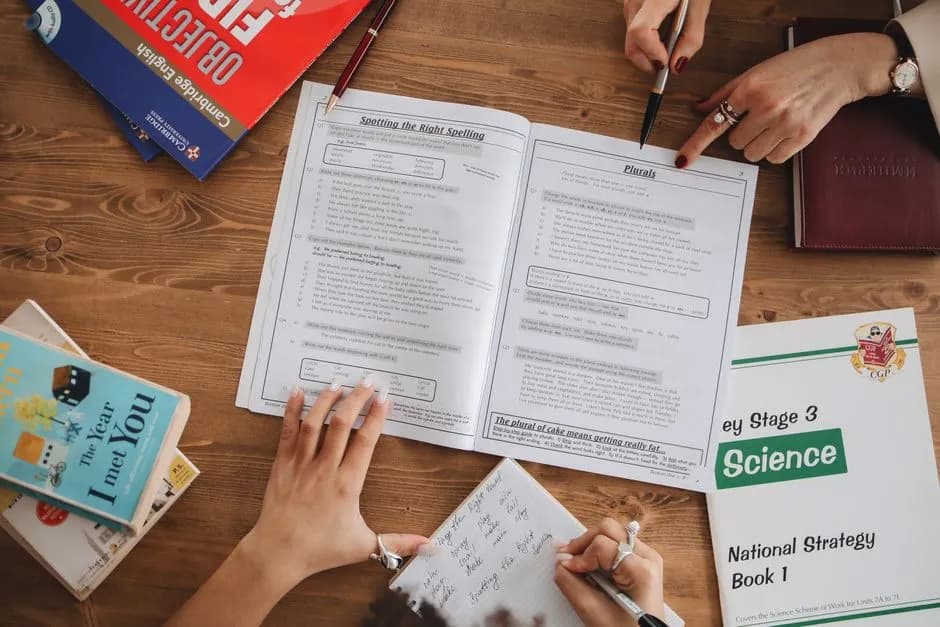
Struggling with the Polish accusative case? Learn 5 simple rules to master biernik — including endings for masculine, feminine, and neuter nouns, plus common exceptions.
Jun 27, 202614 min read

Not sure when to use Polish cases? This guide gives you the trigger rules, a preposition cheat sheet, and a decision flowchart — in plain English.
Jun 27, 202613 min read

Cases are the #1 fear for Polish learners. Here's why they're actually more logical than you'd expect — and how to learn them without the headache.
Jun 20, 20268 min read

Polish verbs follow three main patterns. Once you learn these, you can conjugate hundreds of verbs correctly.
Jun 10, 20269 min read
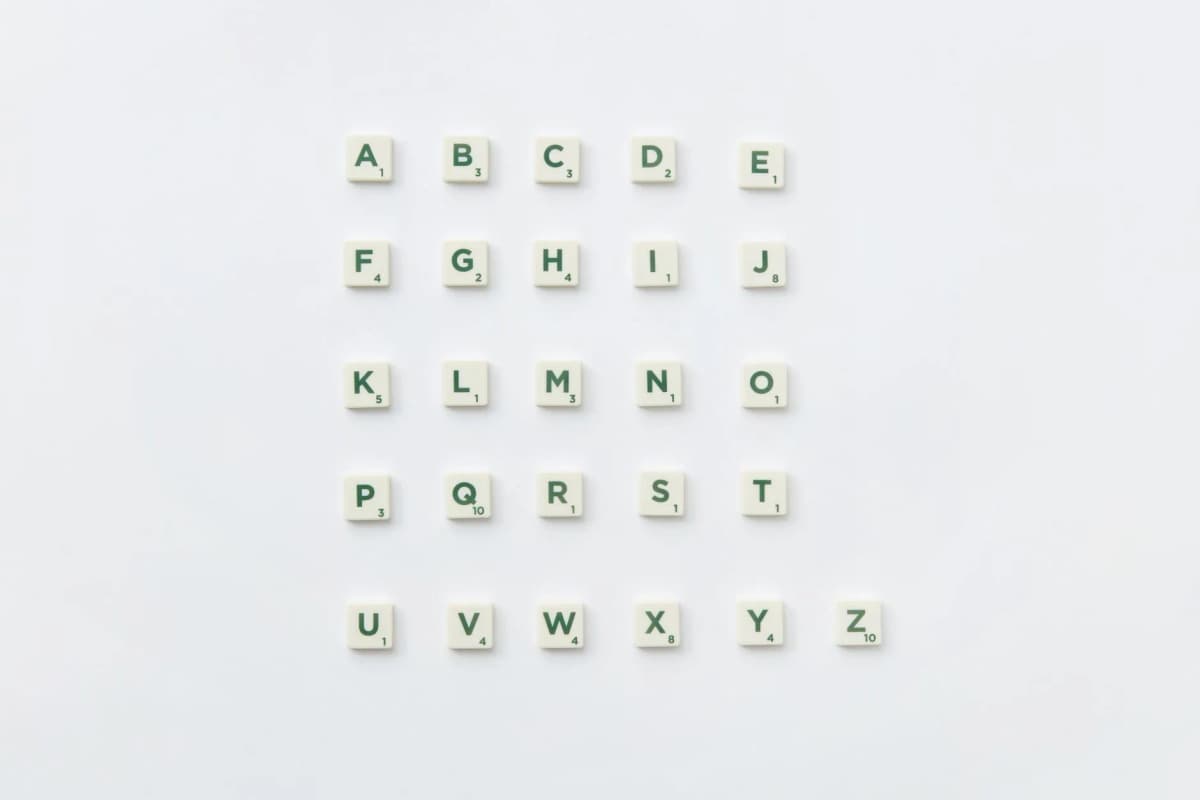
Every Polish noun has a gender. Here is how to identify it instantly from the word ending — with a few tricky exceptions.
Jun 3, 20267 min read