Krzysztof Komeda wrote the single most unsettling lullaby in horror-movie history — the wordless, cooing theme that opens Rosemary's Baby — and then died at 38 without ever knowing how famous it would become. He was a licensed ear-nose-and-throat doctor who moonlighted as a jazz pianist under a fake name because jazz was politically suspect in Communist Poland, and he ended up scoring some of the defining films of 1960s cinema almost by accident, through a friendship with a young director named Roman Polanski.
If you know Rosemary's Baby at all, you already know Krzysztof Komeda's music, even if you've never heard his name. That eerie little melody, hummed rather than sung, has been sampled, referenced, and parodied for over five decades. But Komeda's story is bigger than one film cue — he's widely credited as the founder of modern Polish jazz, the composer who scored over 70 films in a career cut short by a bizarre and tragic accident, and a figure whose influence still shapes European jazz today.
This guide walks through who Krzysztof Komeda actually was, how a doctor became one of Europe's most important jazz musicians, his partnership with Polanski, and the strange final year of his life.
Who Was Krzysztof Komeda? From Doctor to Jazz Pioneer
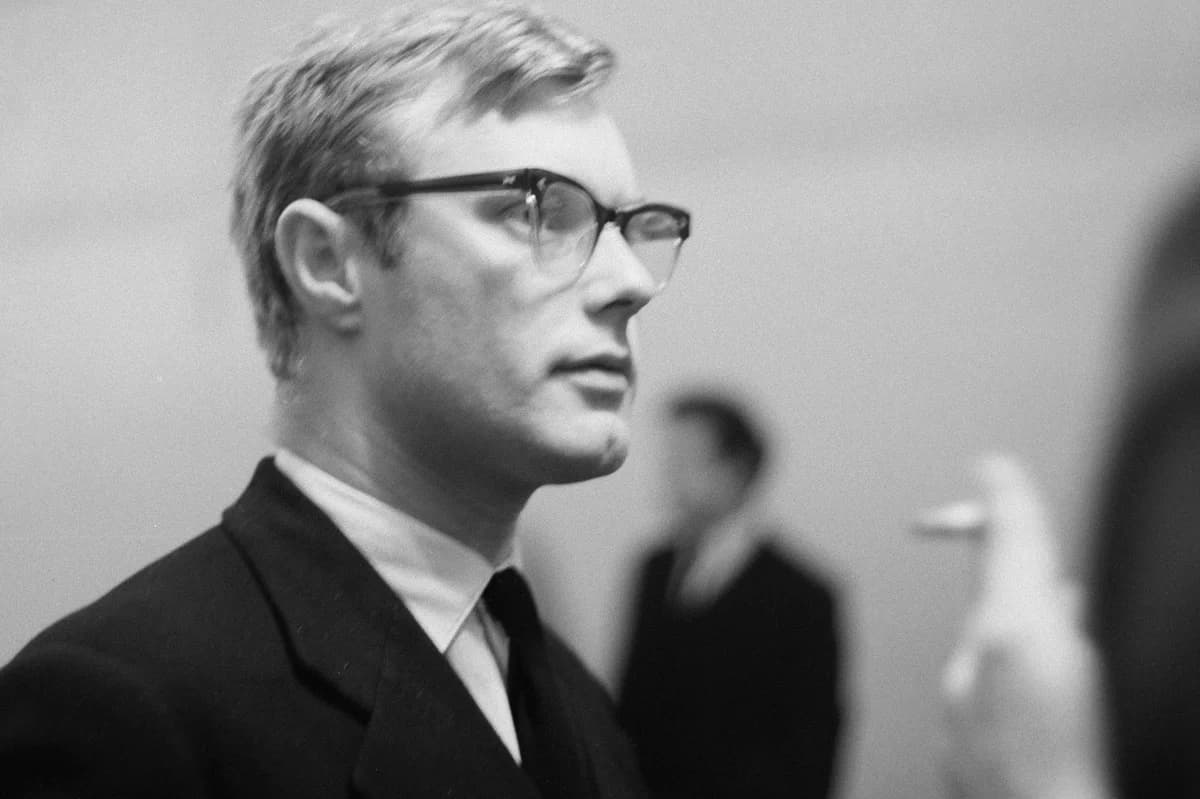
Krzysztof Komeda was born Krzysztof Trzciński on April 27, 1931, in Poznań, Poland. "Komeda" wasn't his real name at all — it was a stage name he adopted specifically to keep his medical career separate from his jazz career, at a time when jazz was viewed with suspicion by Poland's Communist authorities as decadent Western influence.
That medical career was real, not a footnote. Komeda earned a full medical degree from the Medical Academy in Poznań in 1956 and specialized in otolaryngology — ear, nose, and throat medicine, as documented on Wikipedia's Krzysztof Komeda entry. He practiced as a licensed doctor even as his double life as a jazz musician was taking off, treating patients by day and playing underground jazz clubs by night.

Krzysztof Komeda: How a High School Friendship Led to Jazz
Komeda's path into jazz started with a high school friend, Witold Kujawski, who introduced him to the genre and brought him to Kraków, where a small underground jazz scene was quietly running jam sessions despite official disapproval. Komeda fell for bebop specifically, and by the mid-1950s he'd formed the Komeda Sextet — the first Polish group built entirely around modern jazz rather than older swing or dance-band styles. It was a genuinely new thing in Poland, and it made Komeda a central figure in the country's jazz scene almost immediately.
Jazz occupied a strange position in 1950s Communist Poland. Authorities associated it with Western decadence and capitalist culture, which meant musicians who wanted to play it often did so semi-underground, in student clubs and informal jam sessions rather than official state-sanctioned venues. That environment is part of why Komeda kept his stage name separate from his medical credentials in the first place — a doctor publicly associated with suspect Western music carried real professional risk. The political thaw of the mid-1950s gradually eased those restrictions, and Komeda's rise as a bandleader tracks almost exactly with that loosening.
What Made Krzysztof Komeda's Sound Different
Musicians and critics who've studied Komeda's catalog point to a handful of consistent traits: unusually spacious arrangements, melodies built more around mood and tension than technical display, and a lyrical, almost melancholic quality that drew as much from Polish and Slavic musical traditions as from American jazz models. Where a lot of American bebop of the era prized speed and harmonic complexity for its own sake, Komeda's compositions tended to breathe — slower tempos, more silence between phrases, and a preference for atmosphere over flash.
That same sensibility is exactly what made him such a natural fit for film scoring. A composer whose jazz instincts already leaned toward mood and restraint translates unusually well to underscoring tension on screen, which is a large part of why his partnership with Polanski worked as well as it did.
Astigmatic Album: The Record That Gave Europe Its Own Jazz Sound
Komeda's most celebrated recording, and the one jazz historians still point to as a turning point, is Astigmatic, released in 1965. Critic Stuart Nicholson has described it as marking a genuine shift away from the dominant American approach to jazz, toward something recognizably European in its harmony, pacing, and mood — moodier, more spacious, less built around the aggressive virtuosity that defined a lot of American bebop and hard bop at the time.
Astigmatic didn't just make Komeda's name. It helped launch the career of trumpeter Tomasz Stańko, who played on the record as a young sideman and went on to become one of the most internationally acclaimed European jazz musicians of the following five decades. That's part of Komeda's legacy that rarely gets mentioned alongside the film work: he wasn't just a composer, he was effectively the person who built the stage that an entire generation of Polish jazz musicians stood on.
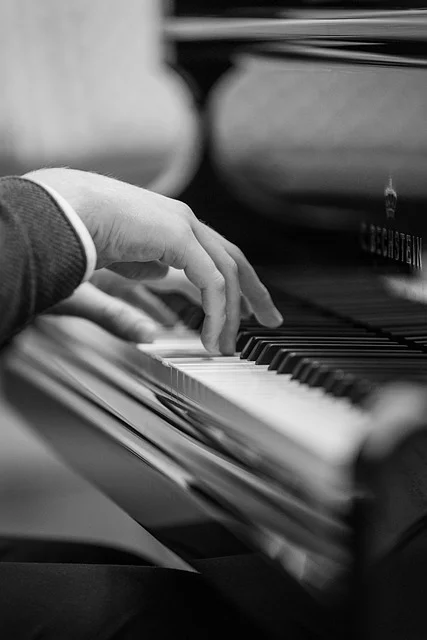
Krzysztof Komeda and Roman Polanski: A Friendship Written in Film Scores
Komeda's film career grew directly out of a personal friendship with Roman Polanski, who he met while Polanski was still a film student. Komeda scored several of Polanski's earliest short films before either of them had any international reputation, and that early collaboration turned into one of the most productive composer-director partnerships in postwar European cinema.
The pairing produced Knife in the Water (1962), Polanski's tense, claustrophobic feature debut and Poland's first Oscar-nominated film, scored with a jazz-inflected tension that suited the film's sailboat-set psychological standoff perfectly. It continued through Cul-de-sac (1966) and The Fearless Vampire Killers (1967), Polanski's horror-comedy, before reaching its most famous point with Rosemary's Baby in 1968.
Rosemary's Baby Composer: Scoring the Devil's Lullaby
As the Rosemary's Baby composer, Komeda wrote a score built around one central, wordless melody — a lullaby hummed by Mia Farrow's character over the opening credits, gentle and childlike on the surface, deeply unsettling once you know what the film is actually about. It's a masterclass in tonal misdirection: nothing in the melody itself sounds evil, which is exactly what makes it work. Decades later, it's still one of the most recognized and referenced pieces of film music from the era, sampled and echoed across horror scores that came long after it.
Komeda composed more than 70 film scores over the course of his career, working with directors beyond Polanski as well, but the Polanski films remain what he's most remembered for internationally — a body of work that helped define the sound of European art-house and horror cinema in the 1960s.
The Night That Ended Krzysztof Komeda's Life
Komeda's death is one of the strangest and saddest footnotes in film-music history, tangled up with the equally short life of his close friend, the writer Marek Hłasko.
On December 17, 1968, in Los Angeles, Komeda and Hłasko had been drinking heavily at Komeda's Beverly Hills house and went out for a walk afterward. Komeda, who had an unsteady gait from childhood polio, fell from a several-meter-high escarpment during the walk. Whether Hłasko pushed him in a quarrel or in drunken horseplay has never been definitively established — accounts differ, and Hłasko himself was never able to fully explain what happened.
Hłasko tried to help his friend immediately, attempting to carry the much heavier Komeda back up the slope before falling on top of him. He got Komeda to a hospital, where doctors initially found no serious internal injuries. But the fall had caused a slow brain hemorrhage that wasn't caught in time. Komeda's wife made the difficult decision to fly him back to Poland for surgery at a Warsaw hospital. He didn't survive the trip's aftermath, dying in Warsaw on April 23, 1969, four days before what would have been his 38th birthday.
Hłasko was reportedly consumed by guilt, telling friends "If Krzysio dies, I will go too." When he learned of Komeda's death that spring, his drinking worsened. Hłasko died less than two months later, on June 14, 1969, from a coma brought on by mixing sleeping pills and alcohol — an eerie, tragic postscript to a friendship that had already ended in catastrophe.
Krzysztof Komeda's Legacy: Father of European Jazz
Komeda is widely credited by musicologists and critics as the father of European jazz — not because he was the first European to play jazz, but because Astigmatic and his broader body of work are seen as the moment European jazz stopped imitating American models and started building its own distinct voice. That influence runs directly through Tomasz Stańko and the generation of Polish and European jazz musicians who followed.
His film scores had a parallel afterlife. Rosemary's Baby's lullaby theme in particular has become one of the most instantly recognizable pieces of film music from the 1960s, still referenced in horror and thriller scoring today, decades after most audiences forgot — or never knew — who wrote it.
Poland has leaned into that legacy directly: the Krzysztof Komeda Jazz Festival and various tribute recordings and retrospectives have kept his name alive within jazz circles, even as his film work reaches a much wider audience that mostly knows the music without knowing the composer.
That split — a huge, mostly anonymous global audience for the film music, and a smaller but devoted audience that actually knows the jazz catalog — is fairly unusual for a composer of his stature. Most film composers who reach that level of recognition do so because their name became a brand in itself, the way John Williams or Ennio Morricone did.
Komeda's fame runs almost entirely through the films themselves rather than through his own name, largely because his career ended before he had the chance to build that same kind of public profile. It makes him something closer to a musician's musician: enormously influential on the people who came after him, quietly embedded in film history, but still under-recognized by name outside jazz and film-score circles specifically, and worth knowing by name rather than only by melody.
Common Questions About Krzysztof Komeda
What is Krzysztof Komeda best known for? Internationally, he's best known for composing the score to Roman Polanski's Rosemary's Baby (1968), particularly its wordless lullaby theme. Within jazz circles, he's best known for Astigmatic (1965), widely considered a foundational album in the development of a distinct European jazz sound.
Was Krzysztof Komeda a real doctor? Yes. He earned a full medical degree from the Medical Academy in Poznań in 1956 and specialized in otolaryngology (ear, nose, and throat medicine). "Komeda" was a stage name he used specifically to separate his jazz career from his medical practice.
How did Krzysztof Komeda die? He suffered a fall from an escarpment during a drunken night out with writer Marek Hłasko in Los Angeles in December 1968. The fall caused a slow brain hemorrhage that went undetected until he was flown back to Poland for surgery; he died in Warsaw on April 23, 1969, at age 37.
How many films did Krzysztof Komeda score? Over 70 film scores across his career, most notably his collaborations with Roman Polanski: Knife in the Water (1962), Cul-de-sac (1966), The Fearless Vampire Killers (1967), and Rosemary's Baby (1968).
Why is Krzysztof Komeda called the father of European jazz? Critics and musicologists point to his 1965 album Astigmatic as a turning point where European jazz moved away from directly imitating American bebop and hard bop, developing its own harmonic and atmospheric identity instead. His mentorship of musicians like trumpeter Tomasz Stańko extended that influence into the following generations.
Did Komeda work with Roman Polanski before either was famous? Yes — they met while Polanski was still a film student, and Komeda scored several of his early short films before either had any international profile. That early creative partnership grew into one of the most significant director-composer collaborations of 1960s European cinema.
Is the Rosemary's Baby lullaby actually sung by anyone? Yes, it's performed as a wordless vocal by Mia Farrow, who plays Rosemary. Komeda composed the melody specifically to sound gentle and lullaby-like on its own terms, which is what makes it land as unsettling once heard in the context of the film.
Did Krzysztof Komeda ever perform outside Poland? Yes — as his reputation grew through the 1960s, Komeda toured and recorded internationally, and his relocation to the United States alongside the Polanski film work put him in direct contact with the Hollywood film industry. That international phase of his career was cut short by his death in 1968–69, meaning much of his broader international recognition arrived posthumously, built on the film scores rather than live performances.
Key Facts: Krzysztof Komeda at a Glance
| Fact | Detail |
|---|---|
| Real name | Krzysztof Trzciński |
| Born | April 27, 1931, Poznań, Poland |
| Died | April 23, 1969, Warsaw, Poland (age 37) |
| Day job | Licensed otolaryngologist (ear, nose, and throat doctor) |
| Landmark album | Astigmatic (1965) |
| Best-known film score | Rosemary's Baby (1968) |
| Key collaborator | Director Roman Polanski |
| Films scored | 70+ |
| Legacy title | Widely called the "father of European jazz" |
Krzysztof Komeda packed an entire career's worth of influence into less than two decades of work — a medical degree, a jazz revolution, a defining partnership with one of cinema's most important directors, and a piece of music that's still quietly unsettling audiences more than fifty years later. He belongs in the same conversation as Krzysztof Penderecki, another Polish composer whose work found its way into horror-film history, and alongside Frederic Chopin in the longer story of Polish musicians who reshaped their genres far beyond Poland's borders.