Polaczek cebulaczek is one of those phrases that doesn't show up in any textbook, yet almost every Pole under forty instantly knows exactly what you mean by it. Literally, it translates to something like "little Pole, little onion" — but that translation explains almost nothing, because the phrase carries a decade and a half of internet history, an infamous online troll, a national stereotype about stinginess, and, more recently, a complete reversal into something people say about themselves with genuine affection.
Nobody outside Poland writes about this phrase, mostly because it doesn't come from a dictionary or a folk tradition — it comes from Polish internet culture circa 2009, and it has kept mutating ever since. Understanding "polaczek cebulaczek" properly means understanding three separate things that eventually collided into one phrase: a word for a Pole, a word for an onion, and the specific reason those two words ended up stuck together.
This isn't fringe, obscure slang, either. "Polaczek cebulaczek" shows up constantly on Polish TikTok, in comment sections, and in everyday banter between friends — it's exactly the kind of vocabulary that never makes it into a phrasebook but instantly signals you understand something real about how Poles talk to and about each other online.
What Does "Polaczek Cebulaczek" Literally Mean?
Break the phrase into its two halves and you get two separate insults, both softened by the same trick. Polak is the ordinary, neutral word for "a Pole." Add the diminutive suffix -czek and it becomes Polaczek — grammatically "little Pole," but historically used as a genuine ethnic slur, the rough equivalent of the English "Polack," employed for generations by German and other neighbors to belittle Poles.
Cebula means "onion." Add a diminutive of its own and you get cebulaczek — "little onion" — built on top of cebulak, Polish internet slang for someone stingy, petty, envious, and endlessly focused on saving a few złoty wherever possible.
Both diminutive suffixes matter here, and they're doing real grammatical work, not just decoration. Diminutives are one of the genuinely distinctive features of Polish grammar — almost any noun can take a diminutive suffix, and the effect is usually to make something sound smaller, cuter, or more affectionate. Language learners run into this constantly: kot (cat) becomes kotek, pies (dog) becomes piesek, and the same pattern applies to people, places, and abstract nouns alike, often stacking two or three diminutive layers deep for maximum affection or sarcasm.
That's exactly the trick "polaczek cebulaczek" plays: it takes two words with real edge to them and files the edges down until what's left sounds almost cuddly. That softening is the whole reason the phrase can now be said with a laugh instead of a sneer — which wasn't always true of either half on its own, and it's worth remembering that the same grammatical trick works very differently depending on who's applying it and why.
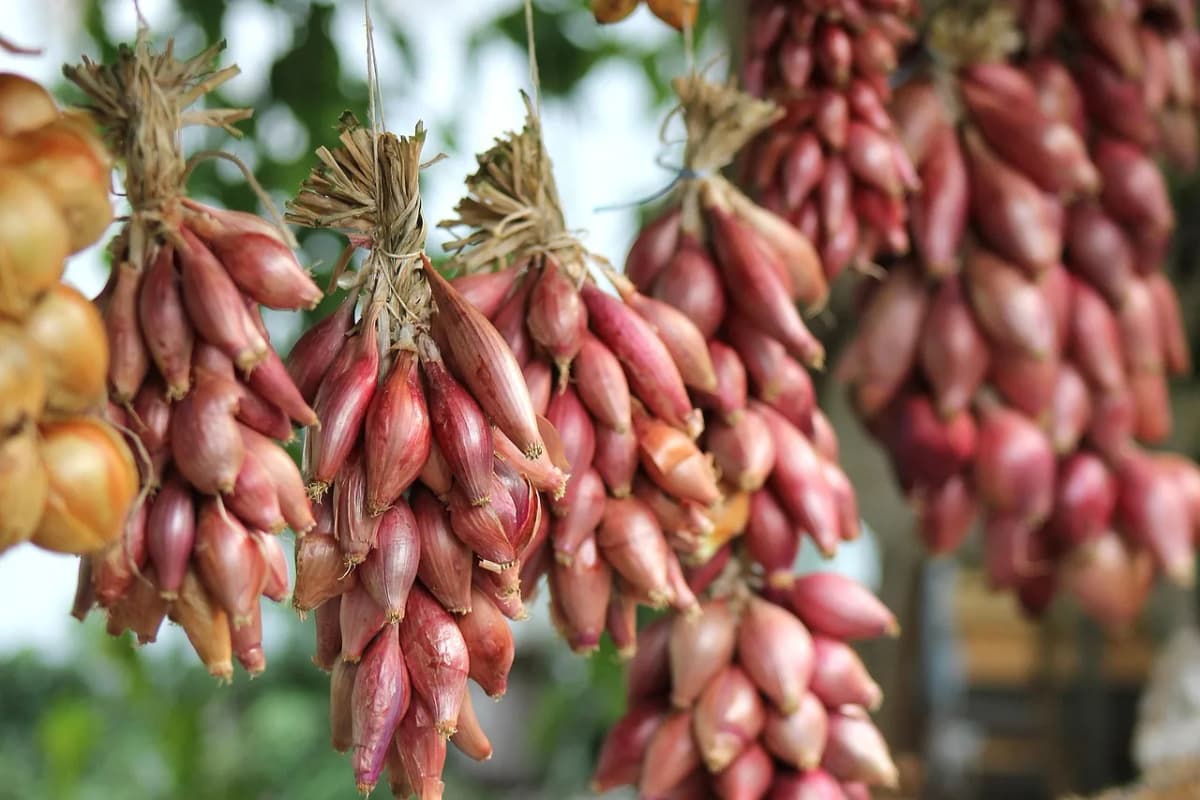
Photo via Pixabay.
Where "Cebulak" Came From: The Testoviron Meme
The "cebulak" half of the phrase has a surprisingly specific origin point. In 2009, a Polish emigrant living in the United States, posting under the alias Testoviron, began uploading YouTube videos mocking the people he'd left behind. He presented himself as wealthy and sophisticated — a red Mustang, an expensive watch, a well-paid design job — and contrasted that image relentlessly against what he framed as Polish poverty, envy, and provincialism.
His signature line, "Polacy, biedacy, cebulacy" ("Poles, paupers, onion-people"), spread fast precisely because it rhymed and because it was cruel enough to be memorable. Testoviron kept posting until around 2012, when his real identity started to unravel online, and he disappeared from the internet not long after. But the phrase he'd popularized didn't disappear with him — copycat Facebook pages built entirely around the "Polacy Biedacy Cebulacy" format kept the joke alive for years, gradually shifting it from one man's personal mockery into a shared, self-referential internet joke.
By the time "cebulak" had fully detached from Testoviron's original videos, it had also picked up a diminutive form of its own, and it was only a matter of time before someone paired it with the other half of what would eventually become "polaczek cebulaczek." The two insults had grown up on the same corner of the Polish internet, mocking overlapping versions of the same national self-image, so combining them was less an invention than an inevitability.
"Polaczek": From Ethnic Slur to Meme Format
The "polaczek" half took a different path into internet culture. Around 2011, Polish social media picked up the "Advice Animal" meme format that was popular internationally at the time — a captioned photo used as a reusable template for a specific type of joke — and built a Polish version around a mustached, everyman face. The format got nicknamed "Polaczek," reclaiming a word that had spent decades as a genuine slur and repurposing it as a label for a very specific kind of cynical, streetwise "practical advice" joke.
That reclamation is worth sitting with for a second. "Polaczek" used by an outsider, aimed at Poles, is still a slur with real history behind it — the same category of word as "Polack" in English. "Polaczek" used by Poles about themselves, inside a meme format they built and named themselves, is a different act entirely: taking a word that was used to demean them and turning it into a punchline they control.
Photo via Pixabay.
Why Onions, Specifically?
Here's where the story gets a little less tidy than it first appears. There's no deep culinary or historical reason onions became shorthand for Polish stinginess — Poland isn't even among the world's top ten onion-producing countries, and per-capita consumption there trails countries like Albania and Uzbekistan. Some Polish internet commentators have pointed out, fairly convincingly, that "cebulacy" mostly caught on because it rhymes with "biedacy" (paupers) — in other words, the joke's staying power owes more to phonetics than to any genuine cultural logic about onions.
That doesn't make the stereotype behind it any less specific, though. Cebulak slang dictionaries define the word as covering envy, stinginess, pettiness, and a tendency to hoard or over-negotiate — a very particular flavor of cheapness rather than generic frugality. It's less "careful with money" and more "will argue with a cashier over fifty groszy," which is part of why the word stings more than a simple "cheap" would.
There's also a practical explanation lurking underneath the rhyme theory, even if it wasn't the original motivation: onions genuinely were, for generations, one of the cheapest, most reliable vegetables a Polish household could grow or buy. They store for months without refrigeration, they grow in poor soil, and they stretch a meal further than almost anything else in a garden. Whether or not that's what Testoviron was actually thinking about in 2009, it gave the joke just enough surface plausibility to stick once it had already caught on for other reasons.
Janusz i Grażyna and the Rest of the Family
"Polaczek cebulaczek" doesn't exist in isolation — it's part of a whole family of Polish stereotype memes built around the same post-communist economic anxiety. Janusz i Grażyna are the best-known members of that family: a middle-aged, sandals-with-socks husband and his equally stereotyped wife, both mocked online for cheapness, stubbornness, and a specific kind of unglamorous practicality that a generation raised during Poland's rocky 1990s economic transformation knows intimately. The same mocking impulse extends past behavior into taste, too — disco polo, the wedding-and-radio genre most associated with exactly this demographic, gets tagged with nearly identical jokes about cheapness and provincial taste.
It's not universally read as harmless in-group humor, either. Sociologists writing about the Janusz-and-Grażyna phenomenon, including commentary covered by Rzeczpospolita, Poland's oldest daily newspaper, have argued the memes function as a kind of classism — an urban, better-off audience laughing at markers of rural or working-class Polish identity rather than simply laughing at themselves.
"Polaczek cebulaczek" grew out of the exact same cultural moment and carries some of that same tension: it's not purely gentle self-mockery so much as a specific class of Pole laughing at a specific, recognizable set of frugal habits, even when the person telling the joke shares those habits.
That tension is part of why the phrase resists a single, clean explanation. "Polaczek cebulaczek" can be genuinely affectionate in one comment section and genuinely condescending in another, sometimes within the same conversation, and the only reliable signal is tone and relationship rather than the words themselves.
How "Polaczek Cebulaczek" Is Used Today
Here's the twist that makes the phrase genuinely interesting rather than just a historical curiosity: in the last few years, "polaczek cebulaczek" has quietly flipped from insult to badge of honor on Polish TikTok and Instagram. Search the phrase today and you'll mostly find young Poles using it affectionately about their own habits — packing free tea bags, sugar packets, and cotton pads from a hotel room, grabbing extra snacks on a flight, or triumphantly explaining how they got something for free that everyone else paid for.

Photo via Pixabay.
The joke has essentially inverted itself. What Testoviron meant as pure contempt has become, for a younger generation with no memory of his videos, a wink at genuinely useful resourcefulness — the specific kind of scrappy, waste-nothing practicality that got a lot of Polish families through the lean years after 1989, now worn with a little bit of pride instead of shame. It's a similar move to how plenty of language communities eventually reclaim a word that started out aimed at them.
A typical modern use looks something like a flight attendant filming herself explaining exactly which free amenities she quietly stockpiles on every shift — tea bags, cotton pads, mini coffees — captioned simply "polaczek cebulaczek," laughing emoji included, with thousands of comments from other Poles admitting they do the exact same thing. Nobody in that comment section is being insulted. They're bonding over a shared cultural instinct that used to be a punchline aimed at them from the outside, and is now a punchline they tell about themselves.

Photo via Pixabay.
Is It Okay to Use This Word?
Context does almost all of the work here. A Pole calling themselves or a friend "polaczek cebulaczek" while laughing about hoarding free airplane pretzels is participating in exactly the kind of affectionate self-deprecation this phrase has become known for. The same phrase aimed at Poles by an outsider — especially without the shared cultural context that makes the joke land as fondness rather than contempt — lands a lot closer to its original, uglier meaning as a slur.
If you're learning Polish and you hear this phrase, the safest move is the same one that applies to most reclaimed slang in any language: it's generally fine to recognize it, laugh along, and understand the reference, but it's a word that belongs to the group it originally targeted, and it reads very differently coming from someone outside that group. That's true of a lot of Polish internet vocabulary — see also Polish swear words for the same register question applied to language that's blunt rather than ironic.
Knowing "polaczek cebulaczek" is genuinely useful precisely because it's the kind of phrase that signals real cultural fluency rather than textbook fluency — but knowing when not to say it is arguably the more valuable half of that lesson.
Frequently Asked Questions
What does "polaczek cebulaczek" mean? Literally "little Pole, little onion." It combines Polaczek (a diminutive, historically pejorative form of "Pole") with cebulaczek (a diminutive of cebulak, slang for a stingy or petty person), together describing a stereotypically frugal, resourceful Polish persona.
Where does "cebulak" come from? It traces back to 2009 and a Polish internet troll known as Testoviron, whose catchphrase "Polacy, biedacy, cebulacy" ("Poles, paupers, onion-people") mocked Poles as poor and provincial. The phrase outlived him and became a fixture of Polish internet self-deprecating humor.
Is "polaczek cebulaczek" offensive? It can be, depending on who's saying it and why. Used by Poles about themselves, especially in the last few years, it's largely affectionate and self-deprecating. Used by an outsider as a jab at Poles, it's much closer to its origin as a genuine ethnic slur.
Why is the onion associated with being Polish? There's no strong historical reason — Poland isn't even a major onion producer. The connection likely caught on mostly because "cebulacy" (onion-people) rhymes with "biedacy" (paupers) in Testoviron's original catchphrase, more a matter of wordplay than culinary culture.
Is this related to the Janusz i Grażyna memes? Yes — they come from the same era of Polish internet culture and mock overlapping stereotypes about post-1989 economic frugality and provincial habits, though Janusz i Grażyna focus on a specific married-couple archetype rather than a general term for "a Pole."
How do modern Poles use the phrase? Largely ironically and with pride, especially on TikTok — describing habits like taking free tea bags and snacks from hotels or flights, or getting something for free that others paid for, framed as clever resourcefulness rather than something to be embarrassed about.
Can a non-Pole say "polaczek cebulaczek"? It's better to understand it than to use it yourself. Because the phrase started as a genuine slur before Poles reclaimed it for themselves, it works very differently depending on who's saying it — recognizing and enjoying the reference is one thing, but using it about someone else, especially as an outsider, risks landing as the original insult rather than the modern, affectionate version.
Does "polaczek cebulaczek" have an English equivalent? Not exactly, though the closest comparisons are self-deprecating national stereotypes in other languages — Britons joking about their own reserve, or Americans about their own excess — where a group takes a real cultural trait, exaggerates it, and turns the exaggeration into shared, affectionate humor rather than something to be defensive about.
It's a strange life cycle for two words: an ethnic slur and an insult about stinginess, mashed together by an anonymous internet troll, softened with a pair of diminutive suffixes, and eventually handed back to the people it was aimed at — who decided, more or less on their own terms, that they'd rather laugh about it than flinch.
Few phrases pack a 2009 troll, a decade of memes, and a genuine linguistic reclamation into two words that rhyme, and "polaczek cebulaczek" is a genuinely useful phrase to recognize precisely because so much of Polish humor works the same way: take something real, exaggerate it until it's funny, and let the group being mocked decide when the joke becomes theirs. That's about as Polish a story as a piece of vocabulary can tell.