
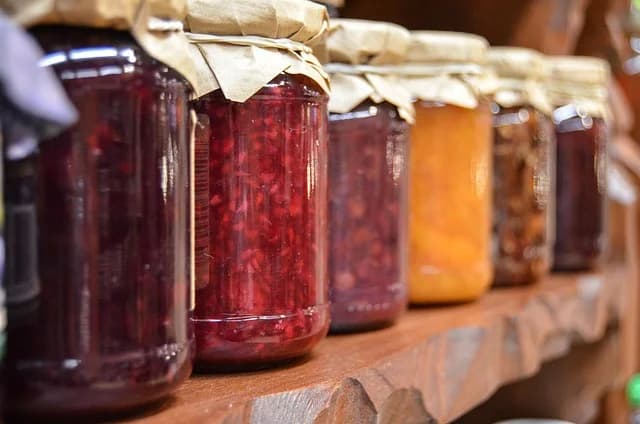
Nalewka polish liqueur is the drink hiding in almost every Polish household cupboard, yet almost nobody outside Poland has heard of it. It is not vodka, not quite a liqueur in the Western sense, and definitely not something you will find lined up in a supermarket aisle with a flashy label. It is homemade, steeped for weeks in glass jars on a windowsill, and usually poured from a bottle with no label at all — just a grandmother's handwriting on masking tape.
For centuries, nalewka sat at the center of Polish home life: a christening gift that wasn't opened until a wedding, a noble family's closely guarded recipe, a small glass offered to a guest the moment they stepped through the door. It survived partitions, two world wars, and decades of communist shortages, and it is now enjoying a genuine second life in the cocktail bars of Warsaw and Kraków.
This guide explains what nalewka actually is, how it is traditionally made, why it differs from a factory product like Żubrówka, and what to expect the first time someone hands you a small glass of something dark red, smelling faintly of cherries and cloves.
What Is Nalewka? Poland's Answer to the Liqueur Cabinet
Nalewka (plural: nalewki) comes from the Polish verb nalewać, "to pour." At its simplest, it is alcohol — usually vodka or a neutral grain spirit — infused with fruit, herbs, spices, roots, or honey until the flavor, color, and aroma of the ingredient transfers into the liquid. Most nalewka lands between 20% and 45% alcohol by volume, depending on whether the base spirit is diluted vodka or pure spirit.
The crucial difference from a commercial flavored vodka is the method. Nalewka is never distilled with its flavoring; it is macerated, meaning the raw ingredients sit directly in the alcohol for weeks or months, slowly releasing their character the way a tea bag colors hot water. That slow process is why a good nalewka looks cloudy or richly colored rather than crystal clear, and why two bottles made from the same recipe by two different families rarely taste identical.
Poles will tell you, only half-joking, that nalewka is "medicine" — a small glass offered for a cold, a stomach ache, or simply a bad day. Whether or not that claim holds up medically, the belief itself says a lot about how deeply the drink is woven into everyday Polish life, closer to a home remedy than a bottle you'd buy for a party.
That's also what separates a real nalewka polish liqueur from the flavored vodkas lining a supermarket shelf. A factory bottle is built for consistency — the same taste in every batch, forever. A homemade nalewka is built for the opposite: it changes slightly every year depending on the fruit harvest, how long it steeped, and whose kitchen it was made in.
How to Make Nalewka: The Traditional Infusion Method
Ask a Polish grandmother how to make nalewka and you will likely get a recipe that has never been written down, adjusted by feel over decades. The broad method, though, is consistent across almost every family version.
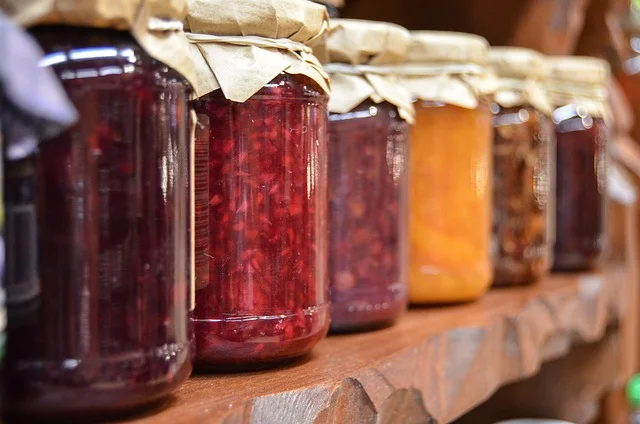
Fresh or dried fruit, herbs, spices, or roots are packed into a large glass jar. Vodka or pure spirit is poured over them until fully submerged, and the jar is sealed and left somewhere dark for anywhere from six weeks to several months, occasionally given a gentle shake. During that time the alcohol pulls out color, oils, and flavor compounds from the solid ingredients — the same maceration principle used in homemade vanilla extract, just scaled up and considerably stronger.
Once the infusion has matured, the solids are strained out and a sugar syrup is usually added, since most nalewka is served semi-sweet rather than bone dry. Some makers pour the syrup over the spent fruit a second time and combine both extracts for a fuller flavor. The finished liqueur is then rebottled and, for the best versions, left to age further — a good cherry nalewka is often considered undrinkable young and genuinely excellent after a year or two resting in a dark cellar.
From Noble Manor Houses to Grandma's Cupboard: Nalewka's 500-Year History
The written record of nalewka goes back further than almost any other Polish culinary tradition still practiced today. The oldest known reference appears in a 1534 book by Stefan Falimierz, printed in Kraków and titled O ziolach y o moczy gich ("On Herbs and Their Potency") — making documented nalewka-making nearly 500 years old.
From the 16th through the 19th centuries, nalewka was strongly associated with the Polish nobility, the szlachta. Manor houses kept a well-stocked liqueur cabinet, and recipes were treated as genuine family property, recorded in handwritten household almanacs called silva rerum alongside farm records, family history, and remedies. Tradition held that a family's signature nalewka recipe was only passed down to the eldest child, and often only after a parent had died — turning a drink recipe into something closer to an inheritance.
It wasn't until the mid-to-late 1800s that nalewka-making spread widely beyond noble households, as printed cookbooks and household guides began circulating recipes to ordinary Polish families. That's the version of the tradition that survived: not a noble luxury anymore, but something nearly every household grew up with, passed informally from parent to child rather than guarded as a secret.
The Nalewka Flavor Map: Which Type Should You Try First?
Nalewka is typically named after its primary ingredient, and the range is wide enough that newcomers often assume "nalewka" refers to one specific drink rather than an entire category.
| Type | Polish Name | Flavor Profile |
|---|---|---|
| Cherry | Wiśniówka | Deep red, tart-sweet, the most common starting point |
| Ginger | Imbirówka | Warming, spicy, often taken for colds |
| Cardamom | Kardamonka | Aromatic, slightly floral, popular after dinner |
| Honey-spice | Krambambula | Honey infused with cinnamon and black pepper, dark and rich |
| Anise | Anyżówka | Licorice-forward, clear to pale yellow |
| Quince | Pigwówka | Tart, floral, autumn harvest specialty |
| Sea buckthorn | Rokitnikówka | Sharp, citrusy, high in natural vitamin C |
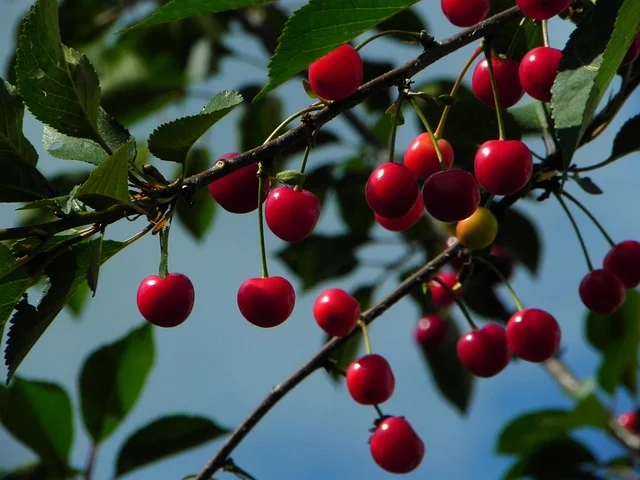
Cherry nalewka (wiśniówka) is generally considered the easiest entry point for anyone trying it for the first time — sweet enough to be approachable, with none of the sharp bitterness that some herbal versions carry. Spiced honey versions like krambambula tend to appear closer to winter, often poured warm as an alternative to mulled wine.
Christenings, Weddings, and the Nalewka That Waits Years to Be Opened
One of the most distinctive customs tied to nalewka has nothing to do with drinking it right away. In many families, a batch would traditionally be started at a child's christening — steeped, strained, bottled, and then sealed away in a cellar to age for years, sometimes decades. The bottle wasn't touched again until that same child's wedding day, when it would finally be opened and shared with the whole gathering.
The custom turned a simple homemade drink into a kind of liquid time capsule, tying two of the biggest milestones in a Polish family's life together through a single bottle. It's part of why nalewka carries an emotional weight that a shop-bought spirit never could — the drink itself becomes a marker of how much time has passed. This same instinct for turning alcohol into ceremony shows up throughout Polish wedding traditions, where toasts, specific drinks, and small rituals are treated as seriously as the vows themselves.
Regional variations added their own twists. In some eastern borderland communities, a rosehip nalewka known locally as zenicha kresowa was traditionally understood as a quiet signal that a young woman in the household was of marriageable age — a small example of how thoroughly this drink was woven into the social fabric of rural Polish life, far beyond its taste.

Nalewka Polish Liqueur vs Żubrówka: How the Two Actually Compare
Newcomers often assume nalewka and Żubrówka are the same category of drink, and it's an understandable mix-up — both are Polish, both involve infusing flavor into a vodka-based spirit, and both are frequently poured for guests. But they sit at opposite ends of the same tradition.
Żubrówka is a single, standardized, factory-produced product: one flavor (bison grass, harvested from the Białowieża Forest), one recipe, made at industrial scale and sold in nearly identical bottles worldwide. Nalewka, by contrast, is the umbrella tradition Żubrówka's method actually belongs to — infusing a base spirit with something for flavor — except homemade nalewka is rarely standardized at all. There is no single "correct" cherry nalewka the way there is a single Żubrówka recipe; every family's version is slightly different, and most nalewka never touches a shop shelf in the first place.
Put simply: Żubrówka is nalewka's most famous commercial cousin, but it represents only one narrow slice of what the broader tradition actually looks like. If Żubrówka is the version you can buy at any airport duty-free, nalewka is the version you're only likely to taste if someone invites you into their home.
Is Nalewka Having a Moment? The Craft Bar Revival in Warsaw and Kraków
For much of the 20th century, nalewka's home was exactly that — the home, not anywhere commercial. Journalist Fabio Parasecoli, writing about Poland's changing drinking culture, noted that nalewka has historically circulated through "informal networks of production and exchange, rather than stores," built on Poland's long foraging tradition of gathering wild fruit, roots, and herbs for infusions.
That's shifting. A new generation of cocktail bars in Warsaw and Kraków — places built around house-made infusions rather than imported spirits — has started treating nalewka the way natural wine or small-batch gin gets treated elsewhere: something worth putting on a menu and explaining to customers rather than hiding in a grandmother's cellar. Some bars now produce their own small-batch nalewki using historic recipes, occasionally with ingredients most people would never have considered mixing with vodka, like sea buckthorn or wormwood.
It's a fitting turn for a drink that spent five centuries being handed down quietly within families — the same tradition, just with a bartender instead of a grandmother doing the pouring. For visitors, it also means a real nalewka polish liqueur is no longer something you can only try by getting invited into someone's home — a good craft bar in either city will now happily pour you a taste.
Nalewka Vocabulary and Serving Etiquette
Nalewka isn't drunk the way a vodka shot is. It's sipped slowly from a small glass, not thrown back in one motion, and the sweetness level generally dictates when it's served. Medium-dry and semi-sweet fruit nalewki are traditionally offered alongside meat dishes or cured meats, while genuinely sweet versions are treated as a dessert drink, poured after the meal rather than during it.
| Polish Term | English Meaning |
|---|---|
| Nalewka / Nalewki | Infused liqueur (singular/plural) |
| Nalewać | To pour |
| Wiśniówka | Cherry nalewka |
| Kieliszek | Small shot/liqueur glass |
| Na zdrowie | "Cheers" / "To your health" |
| Domowa nalewka | Homemade nalewka |
If you're offered a glass, it's polite to accept even a small amount — refusing outright can come across as rejecting the hospitality behind it, since a bottle of homemade nalewka usually represents months, sometimes years, of someone's effort.
Learning the vocabulary above is a small thing, but it changes how the moment lands. Saying "na zdrowie" and knowing you're holding a nalewka polish liqueur rather than just "some Polish drink" tends to earn a genuine smile from whoever poured it — proof that a little context goes a long way in Polish hospitality.
Frequently Asked Questions
Is nalewka the same as vodka? No. Vodka is the base spirit used to make most nalewka, but nalewka itself is an infused liqueur — flavored, often sweetened, and generally lower proof after dilution than straight vodka.
How strong is nalewka? Most nalewka falls between 20% and 45% ABV. Versions made with diluted vodka land on the lower end; those made with pure spirit stay closer to 40-45%.
How long does nalewka need to steep? The base maceration typically takes six weeks to a few months, though many families age the finished, strained liqueur for a year or longer before drinking it, believing the flavor genuinely improves with time.
Can you buy nalewka in Poland, or is it only homemade? Both exist. Commercial brands like Nalewka Babuni, Nalewka Staropolska, and premium options from producers like Z. Kożuba are sold in shops, but many Poles still consider homemade family versions the "real" nalewka.
What's the difference between nalewka and Żubrówka? Żubrówka is one specific, commercially produced bison-grass-infused vodka made at industrial scale. Nalewka is the broader homemade tradition of infusing spirits with almost any fruit, herb, or spice, and it rarely follows a single fixed recipe.
What does nalewka taste like? It depends entirely on the ingredient. Cherry versions taste tart-sweet and fruity; spiced versions like krambambula taste warm and peppery; herbal versions can be sharp or bitter. It's generally sweeter and less harsh-tasting than plain vodka.
Is nalewka only a winter drink? Not exclusively, though spiced honey versions are especially popular in colder months. Fruit-based nalewki made from summer harvests are enjoyed year-round.
Key Facts About Nalewka
| Fact | Detail |
|---|---|
| Meaning | From nalewać, "to pour" |
| Oldest reference | 1534, Stefan Falimierz, Kraków |
| Method | Maceration/infusion, not distillation |
| Typical ABV | 20-45% |
| Steeping time | 6 weeks to several months, often aged further |
| Most common type | Wiśniówka (cherry) |
| Historical guardians | Szlachta (nobility), via silva rerum family books |
Nalewka is one of those Polish traditions that rewards curiosity — ask about it and you'll usually hear a family story, not just a recipe. If you're spending time around Polish hosts, don't be surprised if the offer of a small glass turns into an explanation of whose grandmother made it and how many years it's been resting in the cellar. That's the whole point: a nalewka polish liqueur was never really about the alcohol content, it was always about who poured it for you.