Polish folklore creatures have been haunting forests, rivers, and wheat fields for longer than Poland has existed as a country. Long before The Witcher turned Slavic monsters into a global franchise, Polish grandmothers were already using these same stories to keep children away from deep water and out of the woods after dark. Some of these beings are genuinely frightening. Others are tragic. All of them tell you something real about what rural Polish life used to fear.
This isn't a list scraped together from a fantasy wiki. Every creature here comes from documented regional folklore — the kind ethnologists are still mapping today, story by story, village by village.
What Are Polish Folklore Creatures, Exactly?
Polish folklore creatures grew out of pre-Christian Slavic belief systems that never fully disappeared, even after centuries of Catholicism. Instead of vanishing, the old spirits got folded into local Christian practice — a demon here, a cautionary saint's tale there — and survived in the countryside as oral tradition passed between generations.
Much of it stayed hyper-local. A creature blamed for drownings near one particular bend of a river might be completely unknown fifty kilometers away, replaced by a different name and a slightly different story on the other side of the forest. That regional specificity is exactly what a team of Polish researchers set out to document in a recent academic mapping project, cataloguing hundreds of these local supernatural accounts and the exact places they were tied to.
Unlike a lot of national folklore traditions, which tend to flatten into a handful of famous, standardized figures, Polish folklore creatures largely resisted that flattening. A village near a lake had its own drowning-demon story. A village near an old ruin had its own devil story. Even now, ethnologists studying the material find enormous variation from one region to the next, which is part of why cataloguing it properly has taken academic teams years rather than months.
What follows are seven of the most enduring Polish folklore creatures — the ones that show up again and again across regions, survived the flattening better than most, and still get referenced, half-joking and half-serious, by Poles today.
Rusałka: The Drowned Maiden Who Lures You Into the Water
A rusałka is the spirit of a young woman who died by water — drowned, murdered, or lost before her wedding night. She's usually described as strikingly beautiful, pale, with long hair in shades of light brown, red, or green, often wearing a flowing white dress.
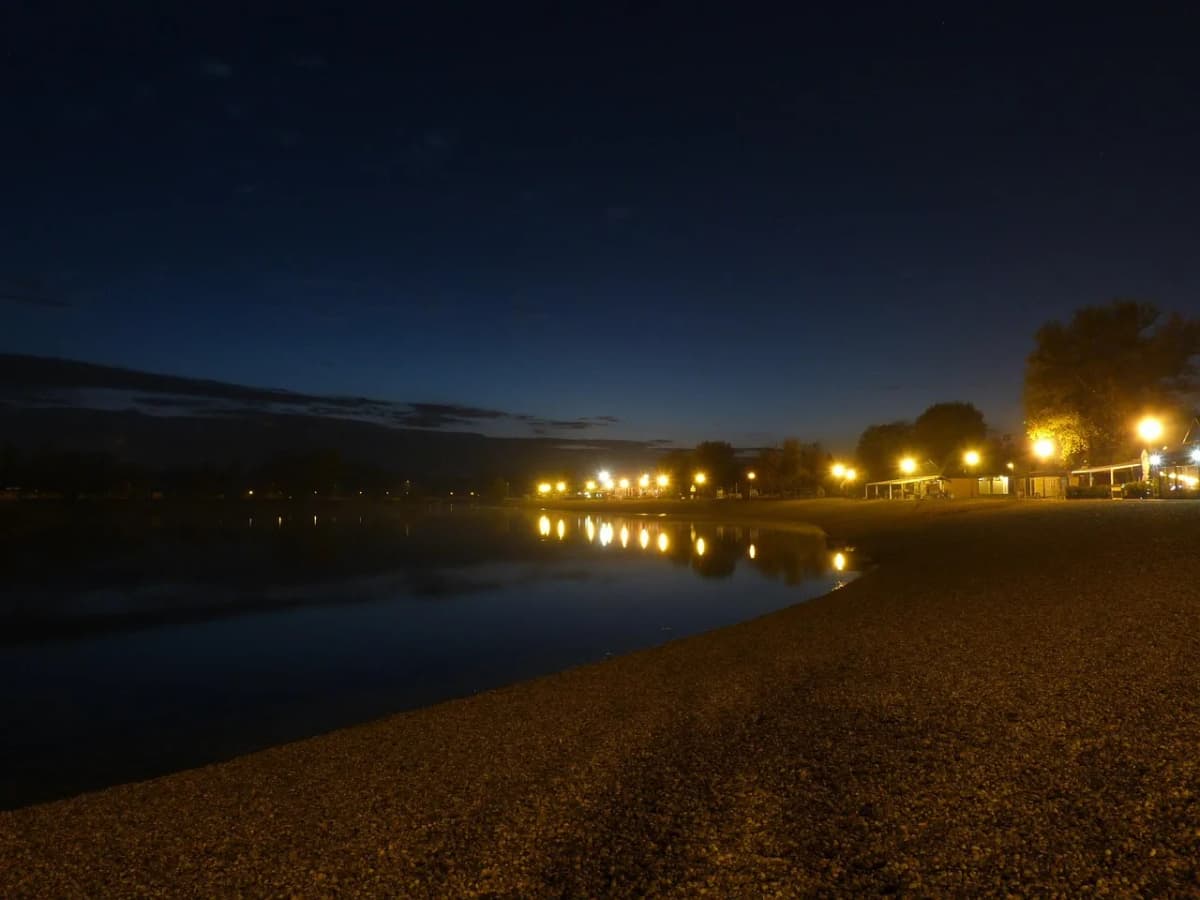
That beauty is the trap. According to the old stories, any man who spots a rusałka near a lake or river becomes instantly drawn to her, unable to look away. He follows her into the water and doesn't come back out — pulled under, tangled in her hair, or simply never seen again. Parents used rusałka stories for generations as a blunt, effective warning: stay away from the water's edge at dusk.
Regional versions of the rusałka legend vary in exactly when she appears. Some traditions place her activity specifically around the summer solstice, tying her to older Slavic seasonal rites involving bonfires, flower crowns, and rituals performed near water. Other tellings have her active any night of the warmer months, which made her one of the more year-round threats in the rural imagination compared to some of the other seasonal or time-specific creatures on this list.
Utopiec: The Water Demon Fishermen Still Warn Children About
Where rusałki are tragic and seductive, the utopiec is one of the more purely monstrous Polish folklore creatures on this list. This water demon originates from the souls of people who died by suicide in water, transformed into something no longer human — depicted as a deformed figure with scaled skin and webbed, clawed fingers.
Utopce were said to lurk near riverbanks, bridges, and footbridges, sunning themselves at the water's edge before dragging unsuspecting passersby under. Unlike the rusałka's seduction, the utopiec's method is pure ambush — sudden, violent, and without warning. Regional variants call the same creature a topielec, and fishing communities along Poland's rivers and lakes kept the story alive well into the 20th century as a practical safety lesson disguised as a ghost story.
There's a darkly practical logic running underneath the utopiec myth. Communities that depended on rivers and lakes for fishing, transport, and washing needed a way to keep children — and careless adults — cautious around water that offered no natural warning signs before it turned dangerous. Framing the danger as a vengeful, semi-human monster made the warning stick in a way that a simple "the current is strong here" never quite manages.
Południca: The Noon Demon Waiting in the Wheat Fields
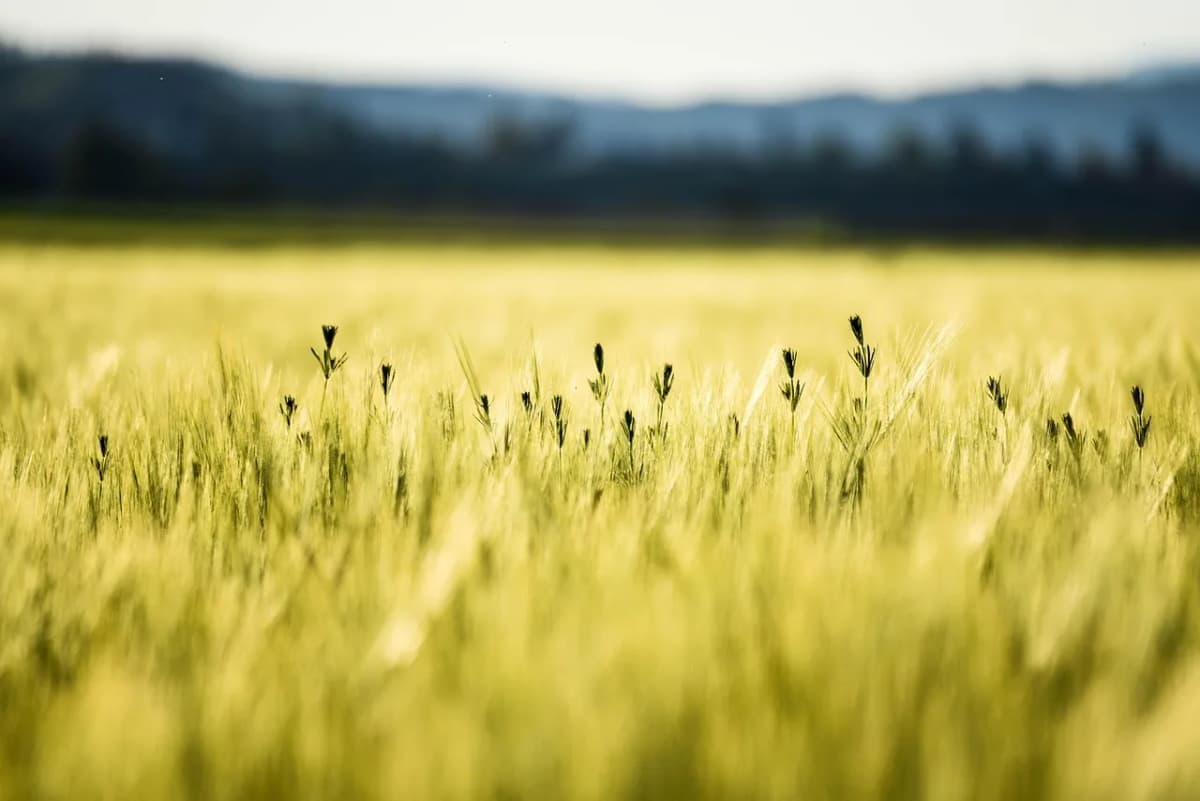
Południca, sometimes translated as "Lady Midday" or the Noonwraith, is one of the stranger entries on this list because she doesn't hunt at night at all. She appears in open fields at the hottest point of the day, dressed in white, and approaches farm workers taking a break from the heat.
Like the rusałka, południce are believed to be the spirits of women who died before completing their intended lives — specifically, brides who died before, during, or shortly after their wedding. She was blamed for heatstroke, neck pain, and sudden madness among field laborers, and folklore held that the only way to survive an encounter was to answer her rambling questions correctly or endure her presence in complete silence until noon passed.
The południca legend is one of the clearest examples of Polish folklore creatures encoding a real, seasonal medical danger into a memorable story. Heatstroke during the peak of summer harvest was a genuine, recurring threat to agricultural workers, and telling laborers to rest indoors at midday "because of the demon" was, in practice, a workplace safety rule wearing a folklore costume. Similar noon-demon figures appear across other Slavic cultures under different names, suggesting the belief predates its specifically Polish form.
Strzyga: Poland's Two-Hearted, Two-Souled Vampire
The strzyga is Polish and Silesian folklore's answer to the vampire, and its origin story is unusually specific. According to belief, a person born with two hearts, two souls, and an extra hidden set of teeth was destined to become a strzyga. So were sleepwalkers, people without armpit hair, and — most ominously — infants born with teeth already visible.
The dark twist is what happens after death. A strzyga was believed to die young, but only one of its two souls would actually pass on. The second soul stayed behind, reanimating the body so it could rise again and prey on the living, feeding on blood and life force much like the vampires of Western European legend. Some regional tellings distinguish between a younger strzygoń and an older, more powerful strzyga.
What makes the strzyga stand out among Polish folklore creatures is how much it pathologized ordinary human difference. Being born with visible teeth, sleepwalking, or simply lacking body hair in the "wrong" place was enough to mark a real child as a suspected monster-in-waiting. Historians studying the belief note it likely gave communities an explanation for infant mortality and unexplained illness — a grim example of folklore doing the work medicine couldn't yet do.
Boruta, Wodnik, and Zmora: Three More Creatures Worth Knowing
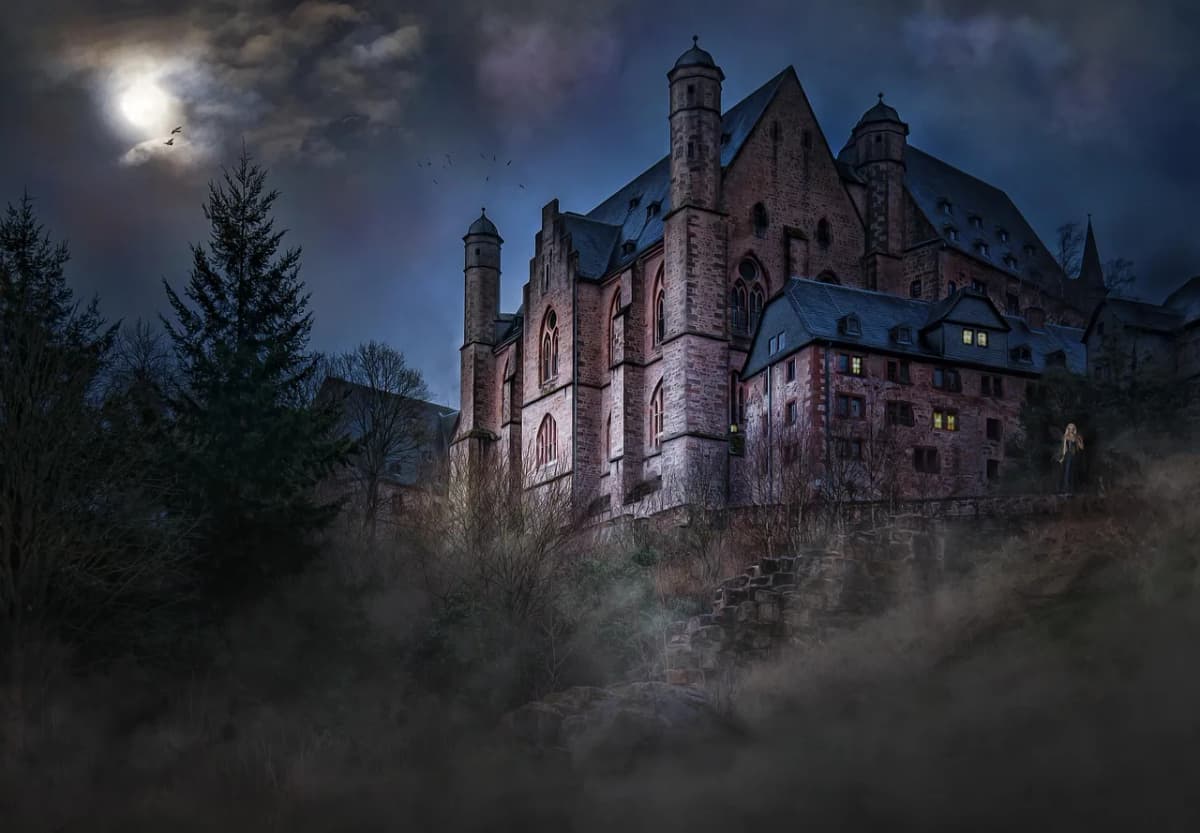
Three more Polish folklore creatures round out this list, each attached to a different fear. Boruta is a devil-like figure said to haunt the ruins of Łęczyca Castle, a real medieval site in central Poland, where legend has him locked in an ongoing rivalry with another spirit named Rokita. Boruta stories blend genuine local history with pure devil-folklore, and the castle itself still leans into the legend for tourism today.
Wodnik is the male counterpart to the water demons above — a spiteful spirit who drowns swimmers and, in one particularly vivid regional detail, is said to keep their trapped souls inside his teapot. A wodnik isn't born; he's made, typically from unbaptized boys or men who died by suicide near a river, stream, or lake.
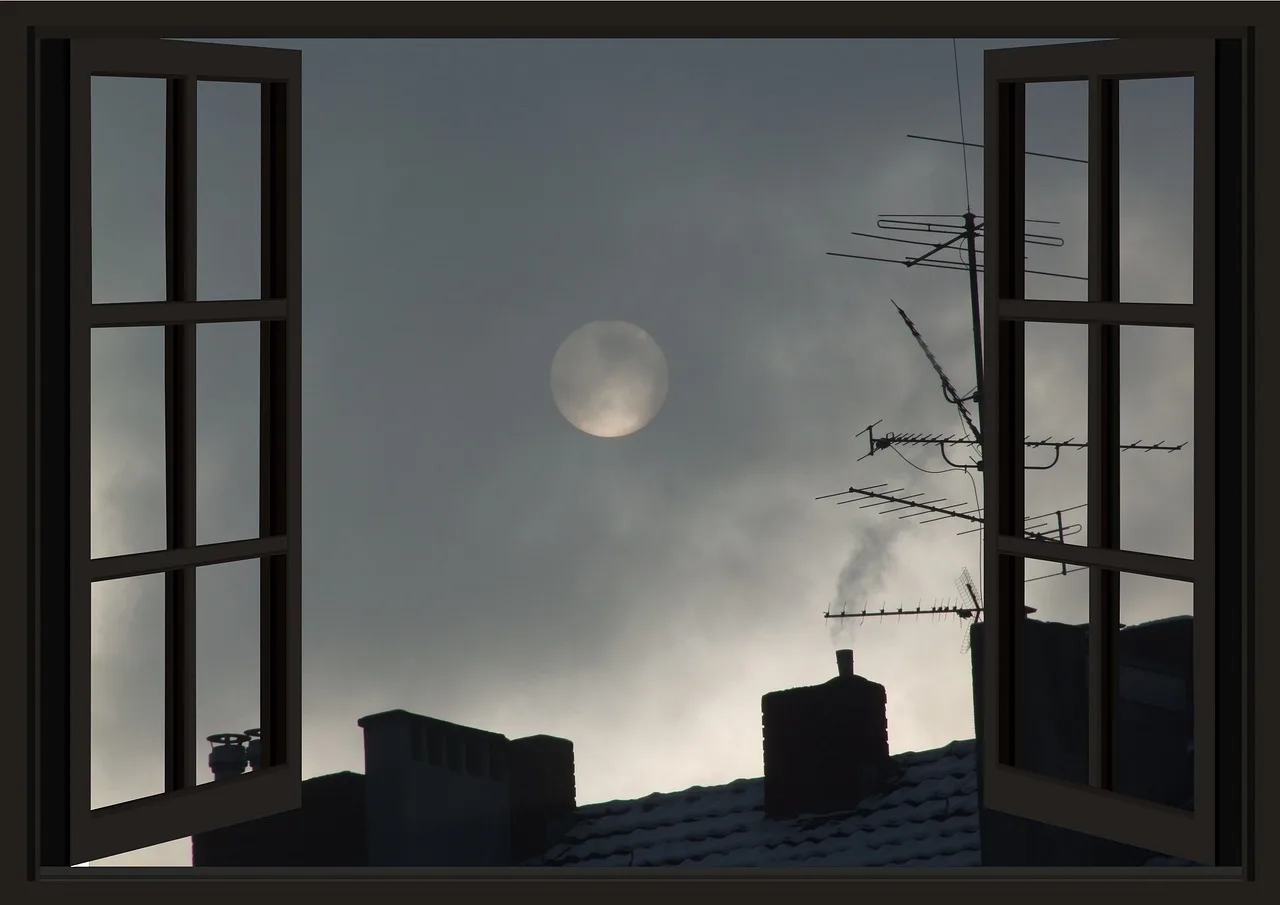
Zmora closes out the list as the demon of nightmares themselves — a spirit, often described as an errant human soul, that visits sleepers at night and sits on their chest, causing suffocating, paralyzing bad dreams. The word is a direct linguistic cousin of the English "nightmare," and the belief that something supernatural could slip through a window while you slept was taken seriously enough that closing shutters at night carried real folkloric weight.
What's notable about zmora specifically is how closely it maps onto a real, well-documented physiological experience: sleep paralysis. The sensation of being awake but unable to move, often paired with a crushing weight on the chest and a sense of a malevolent presence in the room, is a genuine neurological phenomenon reported across unrelated cultures worldwide. Poland's zmora, Newfoundland's "Old Hag," and countless other folk explanations for sleep paralysis all describe the same experience — just filtered through different regional monsters.
Why This Slavic Mythology Still Matters
These Polish folklore creatures aren't just spooky bedtime stories frozen in the past. A 2025 academic mapping project, funded by Poland's National Science Centre and published in the Journal of Maps, analyzed 1,200 documented accounts of supernatural belief from the Pomerania region alone, ultimately mapping 600 of them by exact location and creature type. That kind of rigorous, location-by-location cataloguing is rare for folklore studies anywhere in the world, and it underlines just how seriously Polish researchers now take material that used to be dismissed as simple superstition.
Devils accounted for the largest share of sightings at over a quarter of all accounts, closely followed by wild hunters, apparitions, and gnomes — proof that this folklore was never uniform, but a patchwork of hyper-local belief tied to specific forests, boulders, and riverbanks.
The research team behind that project didn't just catalogue names and locations. They looked at how each creature attached itself to a specific physical landmark — a boulder blamed for a devil sighting, a bend in a river tied to a drowning story — which suggests these weren't abstract myths so much as a kind of oral map layered on top of the real one, warning travelers which specific places to treat with caution.
Slavic mythology has also found a massive new audience through fiction, most visibly through Andrzej Sapkowski's Witcher novels and the games and Netflix series they inspired — which pulled directly from these same regional legends to build its bestiary. If you're curious how much of that fictional universe traces back to real Polish folklore and history, the Witcher's Polish origins are worth reading in full.
What's striking is how consistently these Polish folklore creatures served a practical purpose. Nearly every creature on this list maps onto a real danger — drowning, heatstroke, sleep paralysis, getting lost after dark — dressed up as something explainable. The monster wasn't the point. The warning was, and it worked well enough to survive centuries of technological and religious change without ever fully disappearing from the culture.
Scenario: What to Say If Something Feels Off in the Woods
Imagine you're staying with a Polish host family in a small village, and you mention you'd like to take an evening walk near the lake or through the treeline behind the house. Don't be surprised if someone — usually a grandmother — stops you with a half-joking, half-serious warning rooted in exactly the kind of Polish folklore creatures covered above. Knowing how to respond, even briefly, shows you're paying attention to more than just the language.
Even Poles who'd never claim to believe in rusałki or utopce literally will often play along with the ritual of the warning, because it's less about the supernatural and more about a shared cultural script everyone recognizes. Responding in kind, rather than dismissing it outright, tends to land well with older relatives and hosts.
Here's roughly how that exchange tends to go:
- Babcia (Grandma): "Nie chodź tam po zmroku." — Don't go there after dark.
- Ty (You): "Dlaczego nie?" — Why not?
- Babcia: "Podobno tam straszy." — They say it's haunted there.
- Ty: "Naprawdę w to wierzysz?" — Do you really believe that?
- Babcia: "Lepiej nie sprawdzać." — Better not to find out.
- Ty (smiling, backing off): "Dobrze, zostanę w domu." — Okay, I'll stay home.
Nobody fully believes in rusałki and utopce anymore, at least not literally — but the habit of respecting the old warnings hasn't disappeared, and a lot of Poles will tell you that superstition and genuine belief.
Table of Important Folklore Words
| Polish word | Rough pronunciation | English meaning |
|---|---|---|
| rusałka | roo-SAH-w-kah | water nymph / drowned maiden spirit |
| utopiec | oo-TOP-yets | water demon (from drowning) |
| strzyga | STSHI-gah | two-souled vampire-like being |
| południca | poh-wood-NEET-sah | noon demon / Lady Midday |
| wodnik | VOD-neek | male water spirit |
| zmora | ZMOH-rah | nightmare demon |
| duch | dookh | ghost, spirit |
| diabeł | DYAH-bew | devil |
| legenda | leh-GHEN-dah | legend |
| bagno | BAHG-no | swamp, bog |
| las | lahss | forest |
| straszy | STRAH-shi | it's haunted (colloquial) |
These words show up constantly in Polish folk tales, regional tourism material, and even casual conversation — someone might jokingly say a house "straszy" the way an English speaker would call it "haunted," without meaning it literally.
Polish folklore creatures were never really about the monsters. They were about marking the edges of what felt safe — the water's edge, the treeline, the hour when the sun got too hot or the night got too dark — and giving those boundaries a face. Whether or not anyone still believes in rusałki, the stories did their job for centuries, and plenty of Poles will still tell you it's better not to test them.