
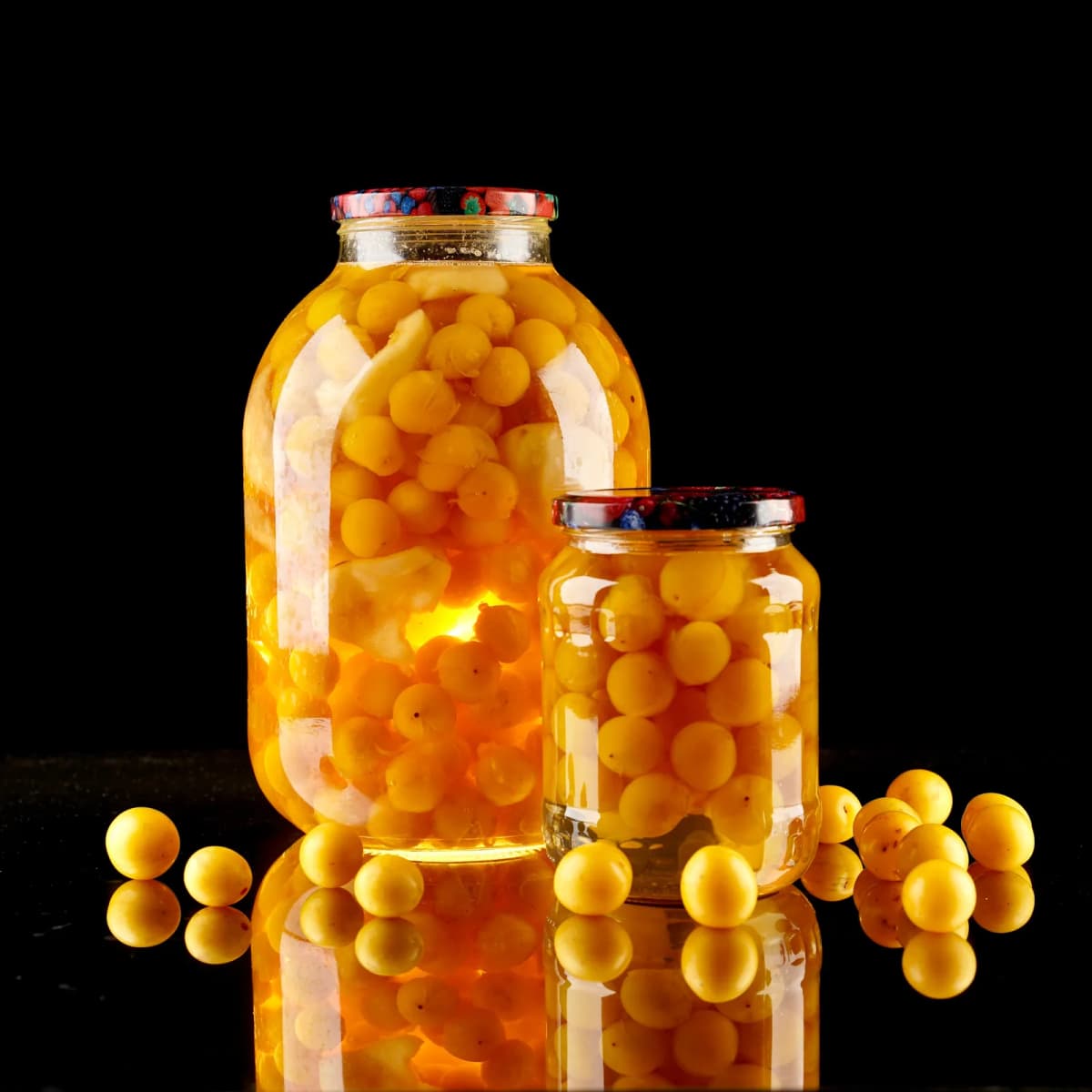
Kompot is the drink that just made Polish TikTok collectively lose its mind — not because it's new, but because it isn't. In mid-2026, American food influencers started "discovering" kompot, filming themselves boiling fruit in water and calling it a wellness breakthrough, complete with claims about glowing skin and antioxidant magic. Polish viewers flooded the comment sections to point out, with some glee, that this is just the drink their grandmother has been making every summer for seventy years.
That collision — a genuinely ancient Central European kitchen staple repackaged as a shiny new TikTok trend — is exactly why kompot is worth explaining properly. It's a drink with real history, a specific role in Polish family life, and, as of this year, a very funny second act as an accidental internet meme.
What Is Kompot, Exactly?
At its simplest, kompot is fruit boiled in a large amount of water, usually with sugar, until the water turns into a lightly sweet, fruit-flavored drink. It's non-alcoholic, closer to a diluted fruit tea than a juice, and traditionally served either warm in winter or chilled in summer, often alongside a meal rather than as a standalone treat.
Almost any fruit works. Strawberries, cherries, apples, and rhubarb are the most common bases, but plums, raspberries, apricots, and peaches all show up regularly depending on the season and whatever happens to be ripening in the garden. Some households add a stick of cinnamon or a bit of vanilla, especially for the hot winter version, though the classic summer version is usually just fruit, water, and sugar.
Sweetness and thickness both vary by household — some cooks like it barely sweet and thin, closer to lightly flavored water, while others prefer a syrupy, concentrated version meant to be diluted with more water or even sparkling water before drinking. There's no single "correct" ratio, which is part of why almost every Polish grandmother is convinced her own version is the definitive one and everyone else's is slightly wrong, sugar levels included.
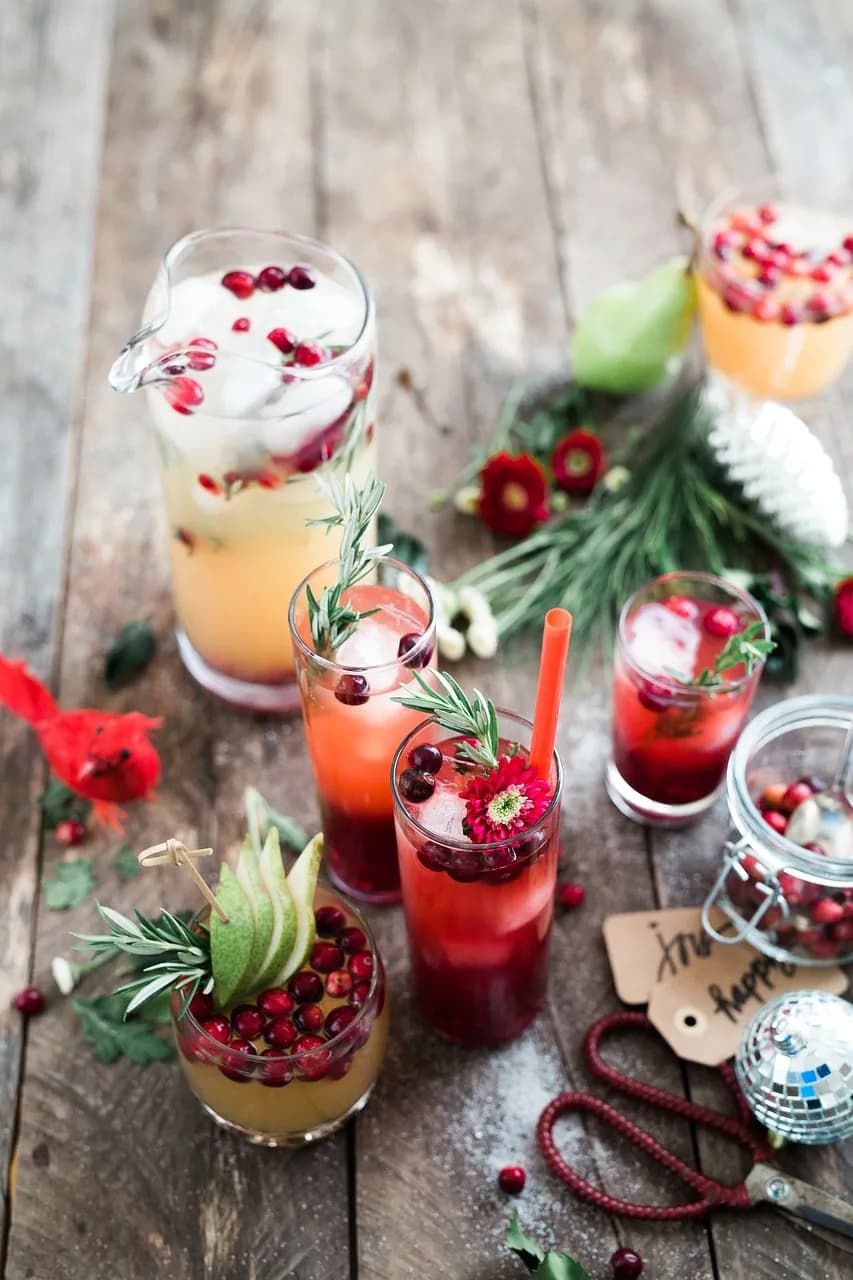
Photo via Pixabay.
Where the Word "Kompot" Comes From
The word itself has a surprisingly indirect journey into Polish. It traces back to the French compote, which in turn comes from the Latin compositus, meaning "mixture" or "put together." French compote referred to whole or sliced fruit poached in syrup — closer to a dessert than a drink. Somewhere along the way, as the concept spread east through Central and Eastern Europe, kompot shifted from a thick fruit dessert into a thin, drinkable liquid, while keeping the borrowed French name.
The drink itself is much older in practice than the word suggests it might be. Boiling fruit in sugared water as a preservation method dates back to at least the 15th century in the region, valued for a simple reason: a high enough sugar concentration keeps fruit edible for months without refrigeration, which mattered enormously before anyone had a fridge and mattered even more through a long Central European winter.
That practical origin is worth sitting with, because it explains a lot about why the drink still feels so deeply rooted in Polish home life rather than restaurant menus. It wasn't invented as a beverage to be sold — it was a way to stretch a short fruit-growing season into something that lasted through months of snow, and the drink version was essentially a byproduct of a preservation technique rather than the main goal.
How Kompot Is Actually Made
The traditional method hasn't changed much in centuries. Fruit goes into a large pot with water and sugar, gets brought to a boil, then simmers until the fruit softens and releases its flavor into the water. Some households strain out the fruit and drink the liquid on its own; others serve both together, the softened fruit eaten with a spoon after the liquid is gone.
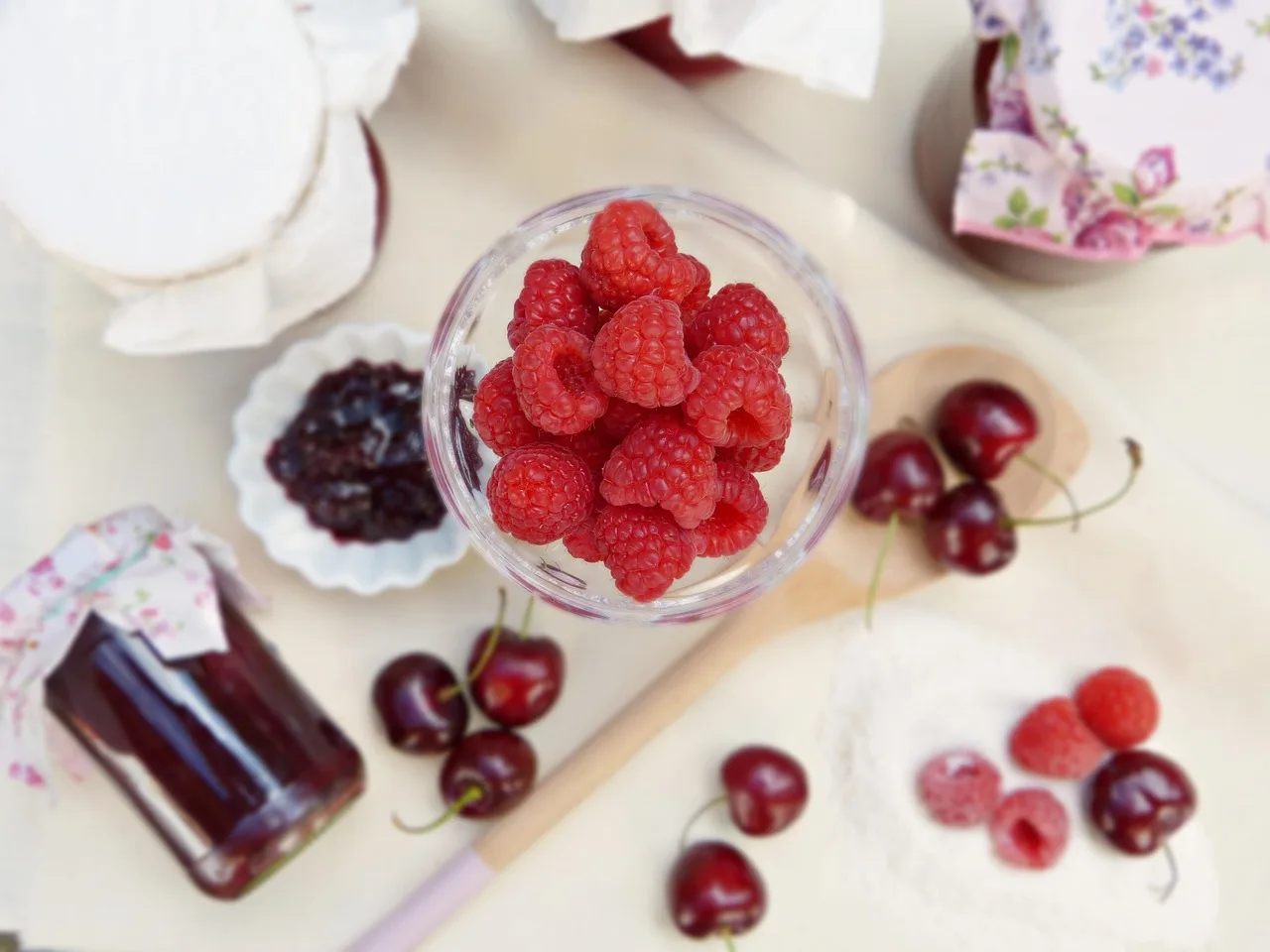
Photo via Pixabay.
Large batches are often preserved the same way jam is — sealed in sterilized jars while still hot, creating a vacuum seal that keeps the kompot shelf-stable for months. A well-stocked Polish pantry might have dozens of jars of last summer's fruit lined up by autumn, each one effectively a bottled version of a specific harvest.
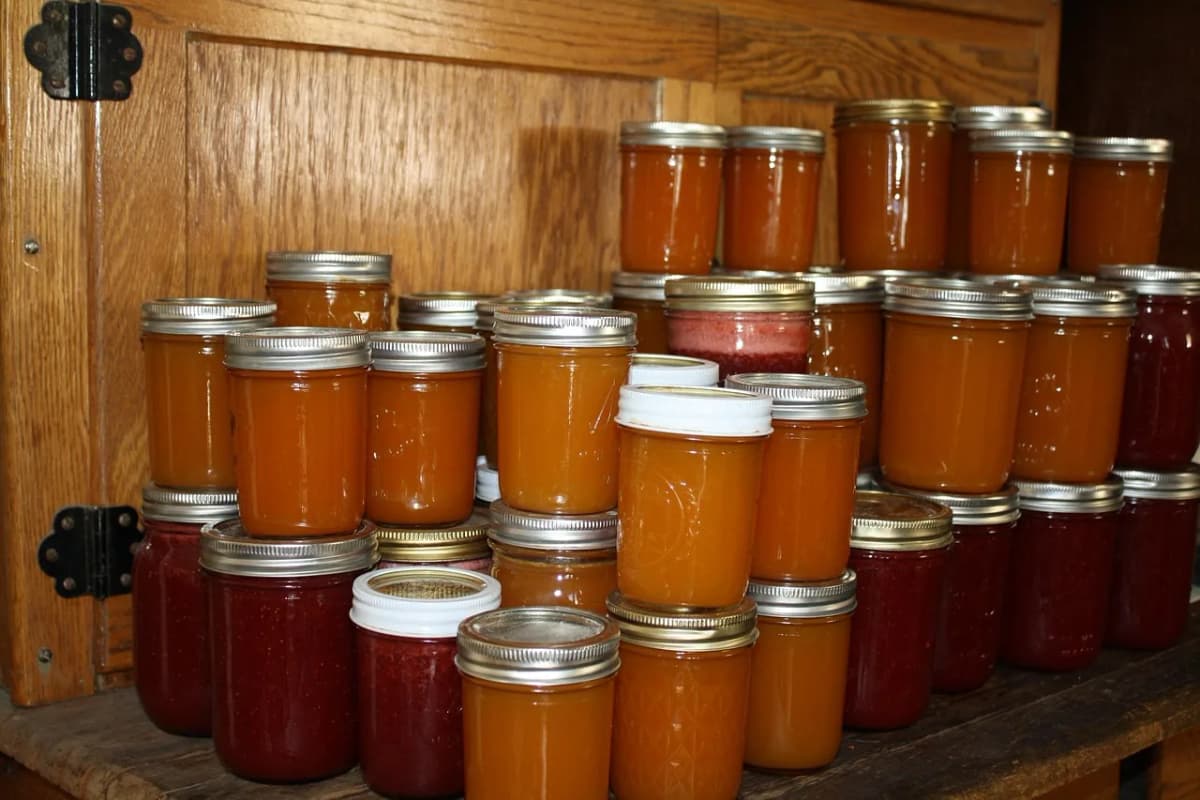
Photo via Pixabay.
That preservation habit is part of why kompot still feels, even today, like something inherited rather than bought — a specific jar might genuinely be "grandma's kompot," made from a tree in her own garden, in a way that's hard to replicate with anything from a supermarket shelf.
The end-of-summer canning ritual itself is often a family production rather than a solo task. Fruit gets picked, washed, and sorted by multiple hands, jars get sterilized in enormous pots of boiling water, and the finished jars get carried down to a cellar or pantry shelf to wait out the winter. It's less a single recipe than a recurring seasonal event, one that a lot of Poles associate specifically with childhood summers spent at a grandparent's house rather than with cooking as such.
Regional and Family Variations
While the basic method stays constant, the specific fruit choice tends to run in families and regions rather than following a single national standard. Households near orchards lean on apples and pears; areas known for soft-fruit growing favor cherries, currants, and strawberries; rhubarb versions show up more in early summer, before other fruit has ripened, since rhubarb is one of the first things ready to harvest each year.
Some cooks mix multiple fruits in a single batch rather than sticking to one — a combination of apple and cherry, for instance, balances the apple's mildness against the cherry's sharper tartness. Others treat single-fruit batches as closer to a specialty, worth making in smaller quantities specifically because a pure strawberry or pure cherry version tastes noticeably more intense than a mixed one. There's no wrong approach here, just decades of individual family habit hardening into personal preference.
Kompot and Bar Mleczny: The Communist Poland Connection
Kompot picked up an entirely new cultural role during Poland's communist era. Cheap to make, filling, and a healthier alternative to the carbonated soft drinks that were harder to come by at the time, it became a fixture of school and workplace canteens across the country — served in the same institutional dining halls as the bar mleczny canteens that fed ordinary Poles at rock-bottom prices for decades, and in many cases still do.
That pairing wasn't incidental. A bar mleczny tray built around cheap, filling staples — a plate of pierogi, maybe a bowl of soup — was almost always finished with a glass of the fruit drink, the closest thing to a soft drink the system reliably offered. For a generation of Poles, this isn't just a nostalgic family recipe; it's specifically the taste of a school cafeteria tray, which is part of why it carries such a strong, slightly bittersweet institutional memory alongside its cozier grandmother associations.
Even now, decades after the economic system that made it a canteen staple disappeared, the pairing has stuck. Walk into almost any surviving bar mleczny today and a glass of the day's fruit drink will still be sitting on the menu board, priced only slightly above what it cost thirty years ago, next to the same style of simple, filling plates that made these canteens a genuine lifeline for cash-strapped Poles across multiple generations.
Kompot and Pierogi: A Classic Polish Pairing
Outside canteens, the most natural place to find kompot is right alongside a plate of pierogi at a family meal. The combination shows up constantly at Wigilia, Poland's Christmas Eve supper, where a chilled or lightly warmed glass cuts through the richness of a table loaded with dumplings, cabbage, and mushrooms — a role similar to how a light dessert wine might function at a heavier Western holiday dinner, minus the alcohol.
It's a genuinely practical pairing as much as a traditional one: a plate of boiled dumplings is dense and filling on its own, and a light, sweet-tart fruit drink balances that out far better than something heavier would. Home cooks who make a big batch of pierogi for a weekend lunch will often have a pot of the fruit drink simmering on a back burner at the same time, timed to be ready and chilled by the time the dumplings hit the table.
It's the kind of pairing nobody in Poland thinks twice about, the same way lemonade and a barbecue just go together in plenty of other food cultures without anyone stopping to ask why. The two dishes essentially grew up on the same table, at the same meals, across enough generations that separating them would feel almost as strange as serving pierogi without any sauce at all.
The 2026 TikTok Trend: Americans "Discover" Kompot
In the spring of 2026, kompot suddenly found a second life on TikTok, this time as a "new" wellness drink. According to TVP World's coverage of the trend, Poland's own English-language state broadcaster, American creators began posting kompot recipe videos that racked up hundreds of thousands of views, some framing the drink as a skin-clearing, antioxidant-rich lifestyle upgrade.
Polish commenters reacted with exactly the mix of amusement and mild exasperation you'd expect from watching your grandmother's everyday drink get treated as a groundbreaking discovery. The joke wasn't that kompot is bad — everyone agreed it's genuinely good — it's that an entire country had already been drinking it at every family dinner for generations while a wellness-influencer version of the same recipe suddenly needed a trend cycle and a catchy caption to register as worth trying.
The specific health claims attached to the trend got their own share of mockery, too. Framing a glass of boiled fruit water as a skincare breakthrough struck plenty of Polish viewers as a fairly funny way to rediscover something their own dietary habits had quietly assumed for decades: that fruit, water, and modest sugar make for a genuinely decent drink, no wellness branding required. Nobody in Poland was drinking it for its antioxidant content — they were drinking it because it tastes good, it's cheap, and it's what was in the fridge.
It's a pattern that keeps repeating with Central and Eastern European food culture: something completely ordinary at home gets "discovered" abroad, framed as novel, and only then gets taken seriously outside the region — usually to the great amusement of everyone who grew up with it.
None of that amusement is really hostile, though. Most of the Polish commentary on the trend reads less like outrage and more like a shrug and a laugh — a mild "well, obviously, welcome to the party" rather than any real resentment that outsiders are finally paying attention. If anything, a viral wellness-drink moment is a fairly gentle way for a home staple to finally get international recognition, even if the recognition arrived a few centuries later than it might have.
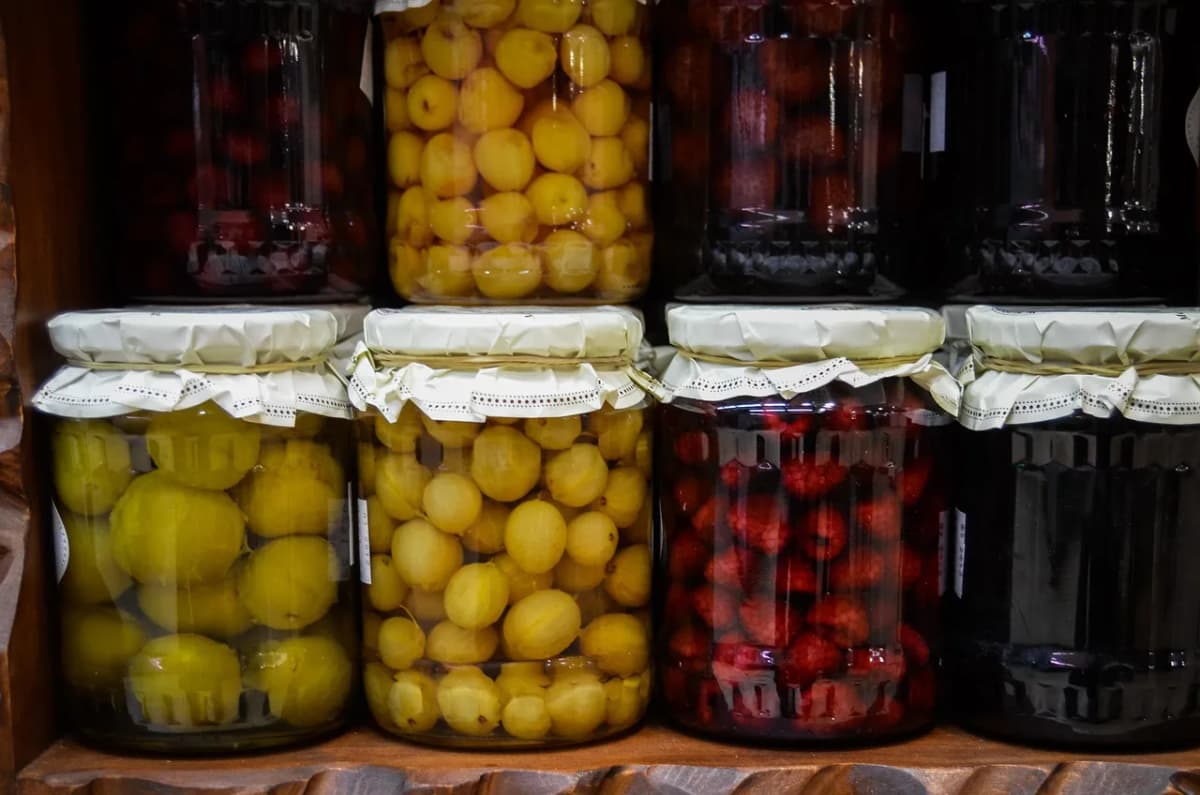
Photo via Pixabay.
Frequently Asked Questions
What does kompot taste like? Lightly sweet and fruity, closer to a diluted fruit tea than a juice — the exact flavor depends entirely on which fruit was used, with cherry and strawberry versions tending toward tart-sweet, and apple versions leaning milder.
Is kompot the same as juice? Not quite. Juice is typically pressed or blended straight from fruit, while kompot is made by simmering whole or chopped fruit in water and sugar, producing a thinner, less concentrated drink with a distinct cooked-fruit flavor.
Why did kompot go viral on TikTok? In 2026, American food influencers began posting videos of themselves making kompot and framing it as a new wellness drink, claiming benefits like clearer skin and high antioxidant content. Polish viewers responded with amused reactions pointing out that it's an everyday traditional drink, not a new discovery.
Is kompot served hot or cold? Both, depending on the season. Cold kompot is a common summer drink served alongside meals, while a warmer, spiced version — sometimes with cinnamon or cloves — is more typical in winter.
What fruits are used to make kompot? Strawberries, cherries, apples, and rhubarb are the most common, though plums, raspberries, apricots, and peaches are all traditional depending on the season and region.
Where would I typically drink kompot in Poland? At home with a family meal, at a bar mleczny canteen alongside cheap staples like pierogi, or during the Wigilia Christmas Eve supper — it's one of the few drinks that shows up in both everyday and holiday settings.
Can you buy kompot in stores, or is it always homemade? Both. Bottled and jarred versions are sold in Polish supermarkets, but homemade remains the gold standard, and most families still make their own from garden or market fruit rather than relying on store-bought.
Does kompot have caffeine or alcohol? No. It's entirely non-alcoholic and caffeine-free, made from nothing more than fruit, water, and sugar — which is part of why it worked so well as an everyday drink for children and adults alike.
How long does homemade kompot last? Properly sealed in sterilized jars, a preserved batch can last through an entire winter without refrigeration. Once a jar is opened, or if it was never sealed for long-term storage, it's best kept refrigerated and used within a few days like any other fresh drink.
Is kompot healthy? It's genuinely reasonable as far as sweetened drinks go — mostly water and real fruit, with sugar as the only significant added ingredient — though it's still a sweetened beverage rather than a health supplement, whatever some of the more enthusiastic TikTok claims might suggest.
The funniest part of kompot's TikTok moment might be how little it actually changed in Poland. Nobody there needed convincing that boiled fruit in water tastes good — they've had the recipe, the jars, and the school-cafeteria memories the whole time. The rest of the internet is just catching up.
If there's a real lesson in the whole episode, it's less about kompot itself and more about how much everyday food culture gets overlooked simply because it isn't marketed as anything special. Nobody in Poland was ever going to package a jar of last summer's cherries as a lifestyle product — it was just what was in the pantry. It took an entirely different country, an entirely different platform, and an entirely different set of expectations about what counts as a "discovery" to turn the same jar into a trend. The drink didn't change at all; only the audience did.