Morsowanie is the Polish word for winter swimming — the practice of deliberately climbing into a frozen lake, river, or sea in the middle of January and staying there on purpose. It sounds like a dare. In Poland, it's a wellness routine, a social club, and increasingly, an export: the same cold-plunge culture that's taking over gyms and TikTok feeds in the US and UK has existed here for centuries, under a name most outsiders have never heard.
The word comes from mors, Polish for "walrus." To practice morsowanie is, literally, to act like a walrus — to haul yourself out onto the ice and shrug off the cold like it's nothing. The people who do it regularly call themselves morsy (walruses), and on any given winter weekend, you'll find them in wetsuit booties and wool hats, wading into water cold enough to make your lungs seize, then walking out laughing.
What Does "Morsowanie" Actually Mean?
At its simplest, morsowanie means immersing your body in cold, often near-freezing, open water — a lake, river, pond, or the Baltic Sea — for a short, deliberate period. It's distinct from a quick post-sauna dip; morsy treat it as a structured practice with its own etiquette, its own community, and its own vocabulary.
Regular practitioners don't just jump in once and call it a season. Many belong to a klub morsów (walrus club), swim on a fixed schedule — often every Sunday from November through March — and track how long they can comfortably stay submerged as the season progresses. New swimmers are expected to start with seconds, not minutes, and always with an experienced morsz nearby.
The word itself has picked up a second life recently as shorthand for the whole culture around it. Poles now use morsowanie the way English speakers use "cold plunge" — as both the specific act and the broader lifestyle identity that comes with it.
Every club has its own small rulebook, rarely written down but strictly enforced by whoever's been swimming the longest. Common ones include never entering the water after drinking alcohol, never swimming completely alone, and never mocking a newcomer who only manages ten seconds before scrambling back out. The unwritten rule underneath all the others is simple: nobody swims to prove they're tougher than anyone else standing on the shore.
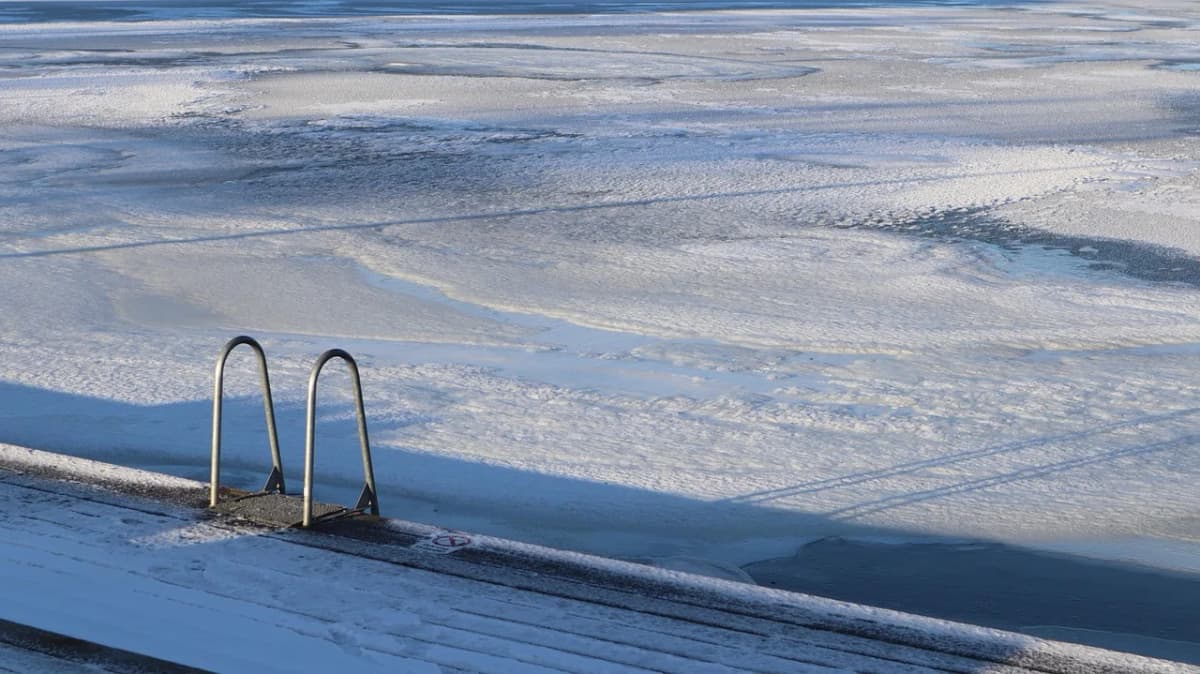
A Tradition That Predates Modern Wellness by 500 Years
Morsowanie isn't a pandemic-era wellness fad that happened to land in Poland — the country was doing this long before "cold plunge" was a hashtag. The written record goes back to the 16th century, when Wojciech Oczko, royal physician to Kings Stephen Báthory and Sigismund III Vasa, published a treatise recommending cold water exposure for health. That's roughly four hundred years before Wim Hof made cold exposure a global brand.
The organized version of the hobby took shape in the early 20th century along the Baltic coast, where fishing communities and seaside towns folded winter dips into local festivities. Over the following decades it spread inland to lakes and rivers, picking up regional clubs, informal rules, and a reputation as something hardy older Poles did rather than a mainstream pastime.
That's changed. Interest in morsowanie has surged over the past few years, tracking almost exactly with the global rise of cold-water therapy. Searches related to starting ice swimming have reportedly climbed by roughly 250% year over year, and clubs that once counted a few dozen loyal regulars now see crowds of newcomers every winter. The tradition didn't change — the rest of the world just started paying attention to it.
Baltic fishing towns like Kołobrzeg and Ustka still tell stories of fishermen who swam through winter simply because the boats didn't stop running for the cold, and warming up afterward with vodka and tea became its own small ritual. Those working-class roots are part of why morsowanie has never carried the same aspirational, expensive-retreat feel that cold plunging sometimes has elsewhere — it grew out of necessity long before it became a choice.
Why Ice Swimming (the Cold Plunge Trend) Is Suddenly Everywhere
Morsowanie's recent visibility is impossible to separate from the broader cold-exposure trend that's swept through fitness culture worldwide. Ice baths, cryotherapy chambers, and cold showers have become fixtures of wellness routines promoted by athletes, biohackers, and influencers — and Poland's centuries-old version of the same idea suddenly reads as authentic rather than trendy.
There's a real distinction worth drawing here, though. The Wim Hof Method packages cold exposure together with a specific breathing technique and a structured, branded program sold through courses and certifications. Morsowanie is looser and more communal — there's no single method, no certification, no app to subscribe to. It's a shared Sunday ritual built around a lake, a thermos of tea, and people who show up whether or not anyone's watching.
That difference is part of the appeal for people who find commercialized wellness culture exhausting. Morsowanie doesn't ask you to buy anything beyond a pair of neoprene booties. It asks you to show up, get cold, and talk to the people standing next to you while you warm back up. There's no influencer taking a cut, no branded ice bath tub shipped to your door — just a hole cut in the ice and a group of strangers who've decided this is worth doing together every week regardless of the weather.
It's worth noting that plenty of Poles find the whole "cold plunge" framing a little funny. To them, this was never a wellness hack to be marketed — it was just something their grandparents did, and something they kept doing because it felt good, not because a podcast told them to.
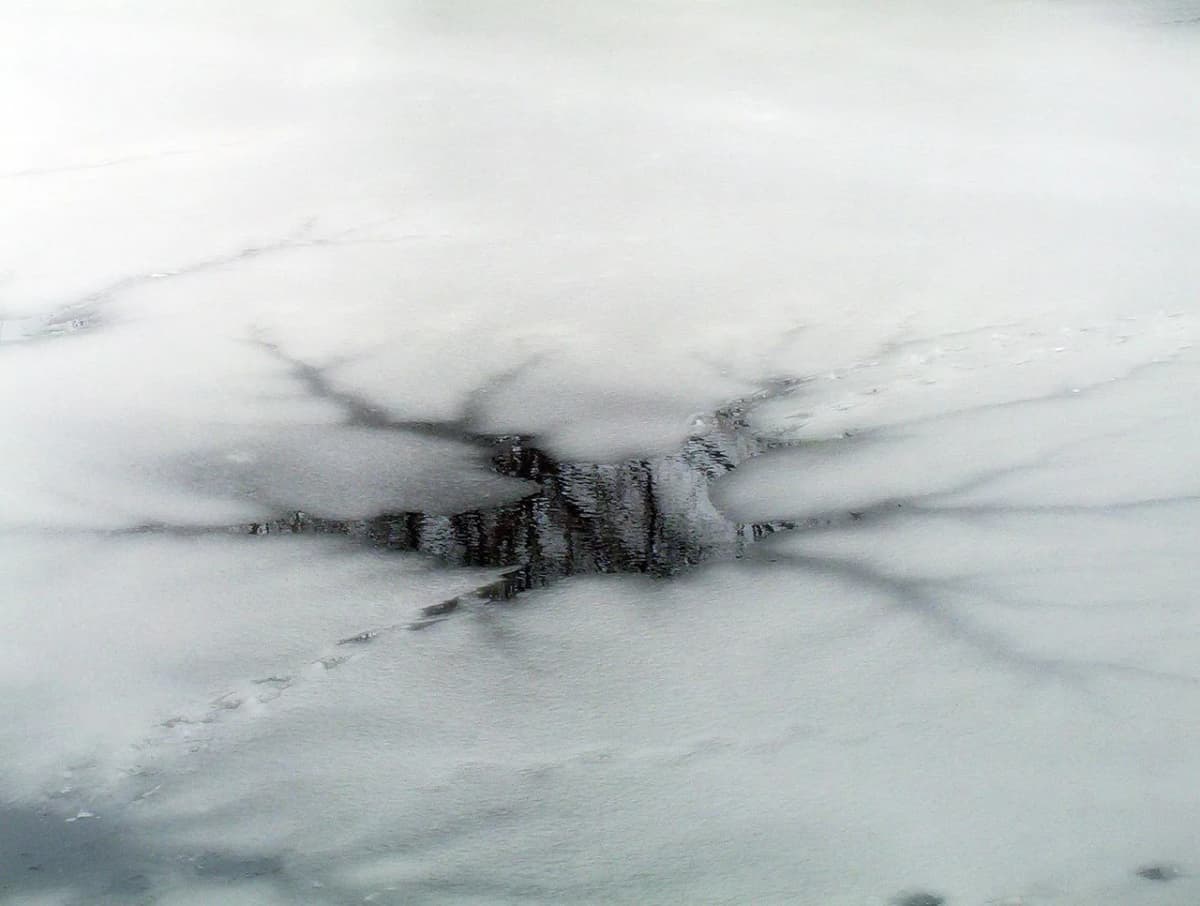
Meet the Morsy: Poland's Winter Swimming Clubs
Every serious morsowanie scene revolves around a club, and Poland has dozens of them, concentrated along the Baltic coast and around larger lakes in the north and west. Members meet on a set schedule, often weekly, and treat the swim as a social occasion as much as a physical one — arriving early to chat, staying afterward for tea, and marking the changing of seasons by how thick the ice gets.
The best-known gathering is the winter swimming festival held annually in the seaside town of Mielno, running since 2004. Recent editions have drawn record turnout, with organizers reporting attendance topping 8,800 registered "walruses" in a single event — a number that keeps climbing as the hobby's profile grows nationally and internationally.
Joining a club is usually as simple as showing up on a Sunday morning and asking. Morsy communities have a reputation for being unusually welcoming to beginners, partly because safety depends on it: nobody wants a first-timer going in alone, and experienced swimmers take genuine pride in mentoring newcomers through their first, shaky minute in the water.
Beyond the coast, inland scenes have grown just as fast. Lakes around Poznań and Olsztyn host their own weekly groups, and even mountain towns like Zakopane have small clusters of swimmers who use fast-moving Tatra streams instead of a lake. Many members describe the club less as a sport and more as a standing appointment with friends — the kind you keep through a Polish winter precisely because it forces you outside when everything else makes you want to stay in.
Is Ice Swimming Actually Good for You?
The health claims around morsowanie are taken seriously enough in Poland that they're rarely challenged, but the international research is more cautious — supportive, with real caveats. A review of the science on voluntary cold-water exposure, published by the US National Institutes of Health, found that regular cold swimmers show measurable differences in immune markers and cardiovascular indicators compared to people who don't practice it, alongside self-reported improvements in mood and reduced depressive symptoms.
The same review is careful to note the limits of what's been studied: most trials involve small groups, uneven gender representation, and inconsistent water temperatures, so the evidence supports cautious optimism rather than a medical guarantee. Nobody is claiming morsowanie cures anything. What the research does support is that repeated, moderate cold exposure appears to train the body's stress response over time, and that morsy who've been at it for years report feeling noticeably better through the winter months.
None of that means beginners should push their limits. Cold water shock is real, it happens fast, and it's the reason every responsible club insists new swimmers keep sessions short and never go in alone. People with heart conditions, high blood pressure, or circulatory problems are routinely advised to check with a doctor before trying it, since the initial shock of cold water briefly spikes both heart rate and blood pressure — the same reflex that makes it feel so intense is also what makes it risky for the wrong person.
Winter Swimming Poland: How to Try Morsowanie Yourself
If you want to experience it rather than just read about it, the easiest route is finding a local klub morsów near a lake or coastal town and asking to join a Sunday session — most are far more welcoming to strangers than the intimidating photos suggest. Coastal towns like Sopot, Gdynia, and Mielno have particularly active scenes, with regular swims through the entire winter.
A few practical basics make the first attempt far more comfortable. Neoprene booties and gloves protect your extremities, which cool fastest and hurt worst. A wool or fleece hat matters more than people expect, since a huge share of heat loss happens through the head. Bring a thick towel, dry clothes you can put on immediately, and something hot to drink — tea is the traditional choice, and you'll want it in your hands within a minute of getting out.
Timing matters as much as gear. First-timers should aim for somewhere between thirty seconds and two minutes in the water, never alone, and always with someone experienced watching for signs of trouble. The instinct to stay in longer to "prove" something is exactly the instinct seasoned morsy warn beginners against — the whole practice is built on restraint, not endurance bragging.
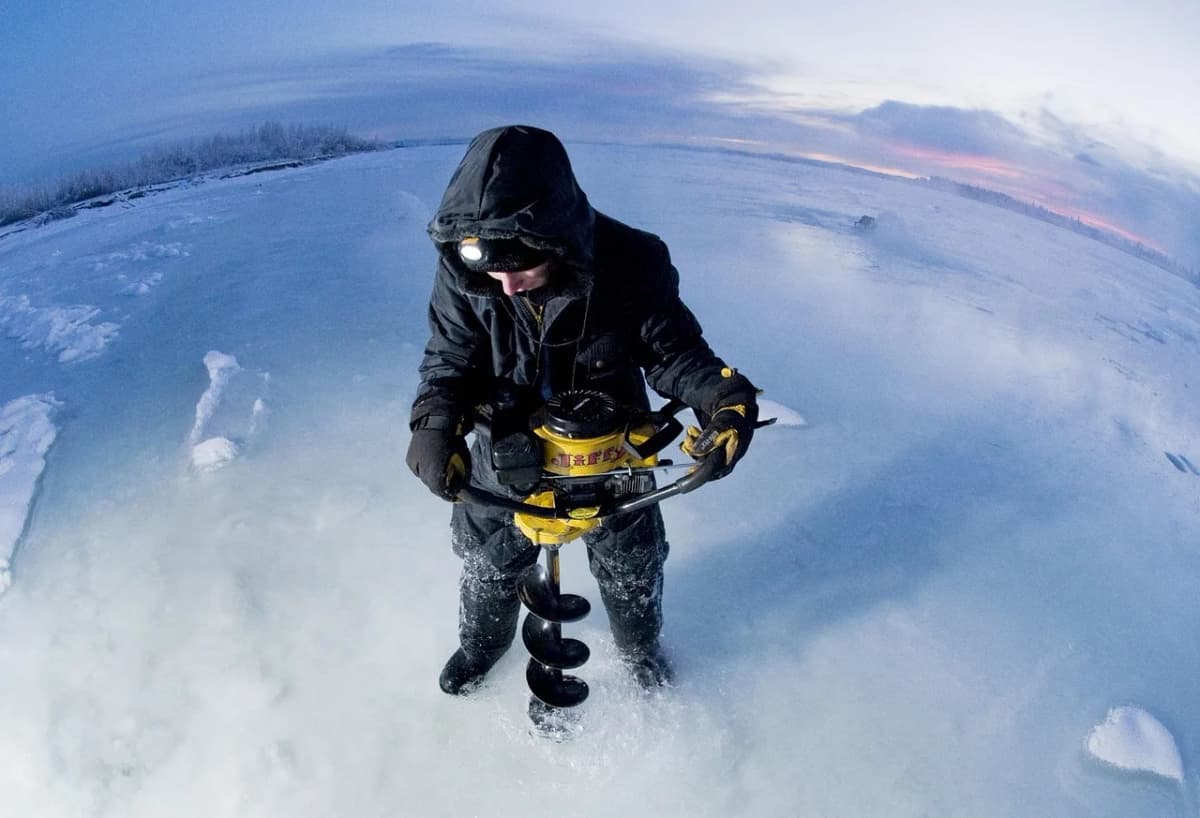
The getting-out part matters just as much as the getting-in part. Most clubs treat the minute after exiting the water as the real skill — moving straight into dry clothes, warming the core before the extremities, and drinking something hot rather than standing around discussing how cold it was. The shivering that follows, known locally as dreszcze, is normal and usually peaks a few minutes after you're already dressed, not while you're still in the water.
Morsowanie fits neatly alongside the country's broader calendar of unusual seasonal customs; if the idea of a communal winter ritual appeals to you, it's worth reading about Poland's other holidays and traditions to see how deeply the calendar year shapes daily life here.
Scenario: What to Say Before Your First Morsowanie
Picture this: a friend has invited you to join their klub morsów on a Sunday morning in Sopot. It's minus two degrees, the lake has a thin skin of ice at the edges, and an older man in a bathrobe is waving you over toward the water. You don't need fluent Polish to survive your first dip, but a handful of phrases will make you look far less like a confused tourist and far more like a nervous first-timer everyone recognizes and wants to help.
Here's roughly how that first conversation tends to go:
- Instruktor: "Ile masz doświadczenia?" — How much experience do you have?
- Ty (You): "To mój pierwszy raz." — This is my first time.
- Instruktor: "Nie martw się, wejdziemy razem." — Don't worry, we'll go in together.
- Ty: "Jak długo powinienem/powinnam zostać w wodzie?" — How long should I stay in the water?
- Instruktor: "Maksymalnie dwie minuty na początek." — Two minutes max to start."
- Ty (climbing out, shaking): "Cała/Cały się trzęsę, ale czuję się świetnie!" — I'm shaking all over, but I feel amazing!
That last line is the one you'll actually mean. Almost everyone who tries morsowanie describes the same rush afterward — the shivering, the too-loud laughing, the sudden clarity — and saying so out loud, even badly, is exactly the kind of thing that gets you invited back next Sunday.
Table of Important Morsowanie Words
| Polish word | Rough pronunciation | English meaning |
|---|---|---|
| morsowanie | mor-so-VAH-nyeh | winter/ice swimming |
| mors / morsy | mors / MOR-si | walrus / winter swimmers (the people) |
| przerębel | psheh-REM-bel | ice hole cut for swimming |
| lodowata woda | lo-do-VAH-tah VO-dah | ice-cold water |
| wytrzymałość | vi-tshi-mah-WOSHCH | endurance, stamina |
| dreszcze | DRESH-cheh | shivers, chills |
| zdrowie | ZDRO-vyeh | health |
| odwaga | od-VAH-gah | courage |
| ręcznik | RENCH-neek | towel |
| szlafrok | SHLAF-rok | bathrobe |
| herbata | her-BAH-tah | tea |
| zimno mi | ZHEEM-no mee | I'm cold |
Even just recognizing these words at the water's edge changes the experience. Most morsy switch effortlessly into English for visitors, but showing up already knowing that dreszcze means "shivers" — because you're about to feel them — tends to earn an approving nod before you've even touched the water.
Morsowanie isn't going anywhere. It survived centuries of Polish winters long before anyone called it self-care, and it'll keep going long after the current cold-plunge wave moves on to its next headline. If you're spending a winter in Poland, it might be the most memorable Sunday morning you didn't plan for.