Poland's Nobel Prize Winners in Literature: All 5 Explained
Polish Nobel Prize winners in literature number just five people, spread across more than a century — and that scarcity is exactly what makes the list worth knowing. A country of roughly 38 million people has produced five literature laureates, a hit rate that outperforms nations many times its size and population. Most people outside Poland can name maybe one.
This isn't a dry roll call. Each of these five writers won for reasons that say something specific about the moment Poland was living through when the prize arrived — an epic novel written under foreign occupation, a peasant saga nobody expected to beat the frontrunner, a poet who defected from communism, a poet the Nobel committee nicknamed the "Mozart of poetry," and a novelist who's still actively publishing today. Read them together and you get a compressed history of modern Poland itself.

Why Poland Punches Above Its Weight in Nobel Literature
Before getting into each laureate individually, it's worth asking why a mid-sized Central European country has this particular track record. Part of the answer is historical pressure: Poland spent 123 years erased from the map by partition (1795–1918), then endured Nazi occupation, then decades under Soviet-aligned communist rule. Through all of it, literature became one of the few spaces where Polish identity, language, and dissent could survive relatively intact.
That's not a coincidence the Swedish Academy has been shy about. Several of the citations below explicitly praise these writers for work grappling with occupation, exile, or authoritarian conflict — themes Polish literature has had unusually direct, lived experience with for two centuries running. You can cross-check every citation quoted in this article against the complete list of Nobel laureates in literature if you want the full international context.
It also helps that Polish has a genuinely strong translation ecosystem behind it. Unlike some smaller-language literary traditions, Polish literature has benefited from generations of dedicated English-language translators — Bill Johnston, Clare Cavanagh, and Stanisław Barańczak among them — whose work made it possible for the Nobel committee, and international readers generally, to actually encounter these writers on their own terms rather than through secondhand summary.
Henryk Sienkiewicz (1905): The Epic Novelist Who Started It All
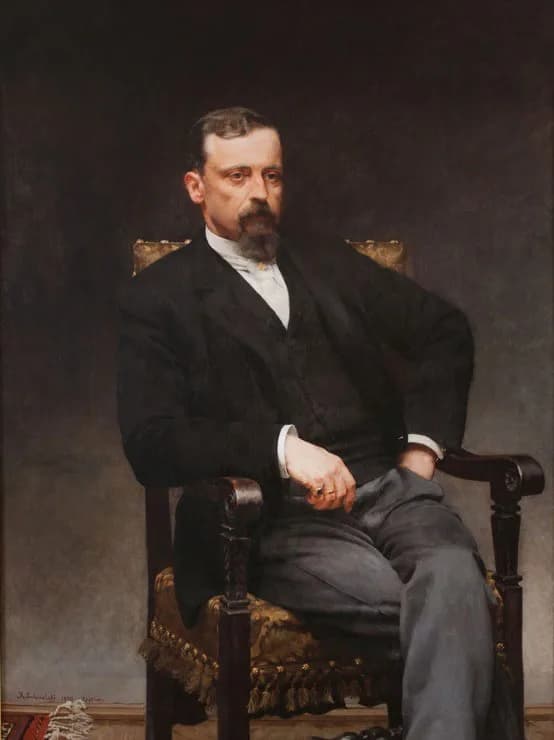
Henryk Sienkiewicz became Poland's first Nobel laureate in literature in 1905, cited "because of his outstanding merits as an epic writer." He's best known internationally for Quo Vadis, a sweeping historical novel set in Nero's Rome that was translated into dozens of languages and adapted into multiple Hollywood films — making Sienkiewicz one of the most widely read novelists in the world at the turn of the 20th century, Polish or otherwise.
Inside Poland, though, he's arguably even more beloved for his Trilogy — three historical novels (With Fire and Sword, The Deluge, Fire in the Steppe) chronicling 17th-century wars that Poles read, then and now, as thinly veiled commentary on their own occupied present. Sienkiewicz wrote about Poland's past glory specifically to keep morale alive in a nation that, in 1905, still didn't exist as an independent state.
Wladyslaw Reymont (1924): The Peasant Epic Nobody Expected to Win
Władysław Reymont won in 1924 for Chłopi (The Peasants), a four-volume novel following a year in the life of a Polish farming village, told season by season. The Swedish Academy's citation praised it as "his great national epic," and it remains a landmark of literary realism — dense, immersive, and unusually respectful toward rural life at a time when peasant subjects were routinely treated as minor or comic in European fiction.
What's less well known is that Reymont very nearly lost the prize to Thomas Mann, and only narrowly secured it after a change in the committee's voting; some accounts suggest the decision came down to a single vote. He also survived a serious train accident years before winning, an injury he credited (in a slightly self-mythologizing way) with pushing him to finally finish Chłopi.
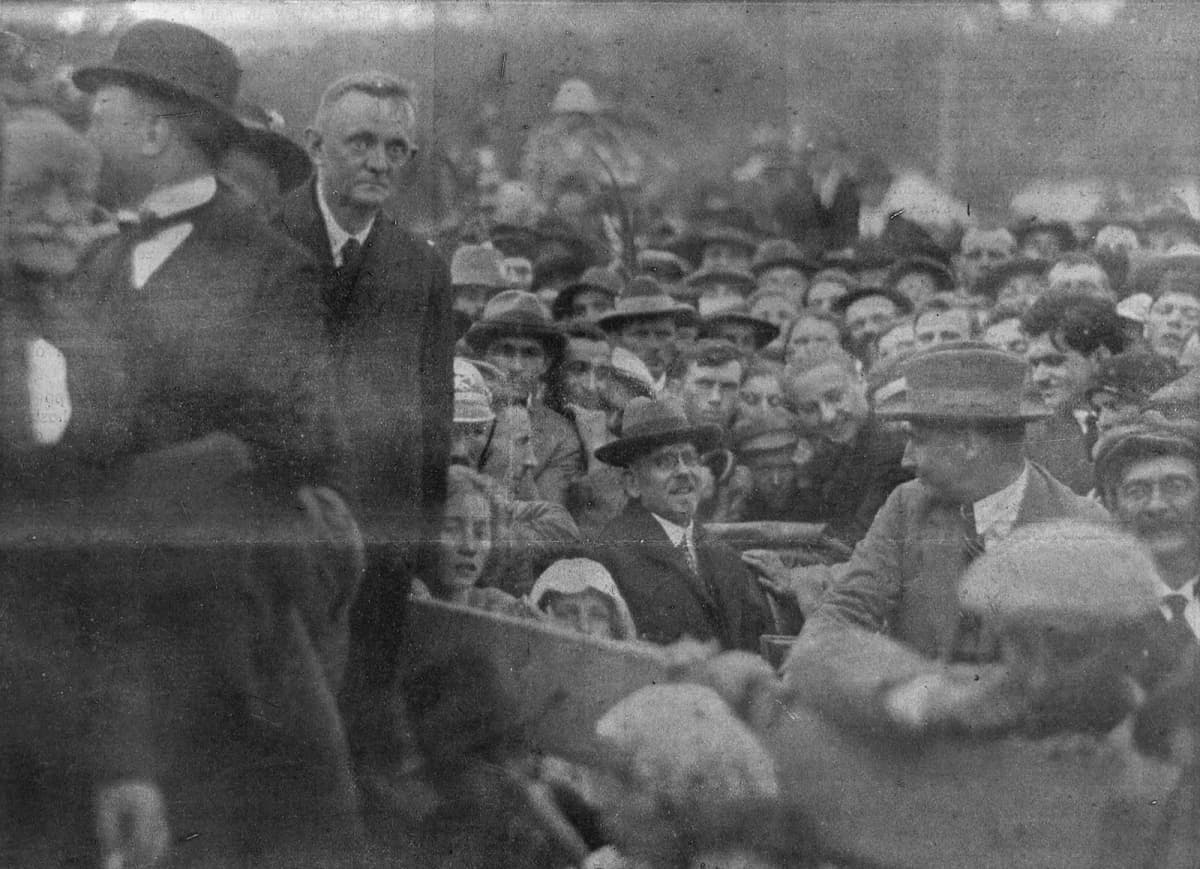
Czeslaw Milosz (1980): The Poet Who Defected From Communist Poland
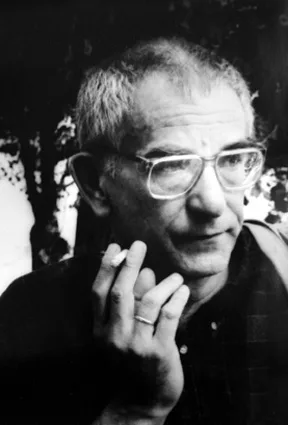
Fifty-six years passed before Poland's next literature Nobel. Czesław Miłosz won in 1980, honored by the Academy for writing "with uncompromising clear-sightedness" about "man's exposed condition in a world of severe conflicts." That description undersells how dramatic Miłosz's own story was: he served as a cultural attaché for communist Poland's government in the late 1940s, then defected to the West in 1951, a decision that got his books banned in Poland for decades.
Miłosz spent much of his exile teaching at UC Berkeley, writing in Polish for an audience that, in his own country, technically wasn't allowed to read him. His 1953 book The Captive Mind, a study of how intellectuals rationalize living under totalitarianism, remains one of the most cited nonfiction works to come out of the Cold War, studied well outside literature departments entirely.
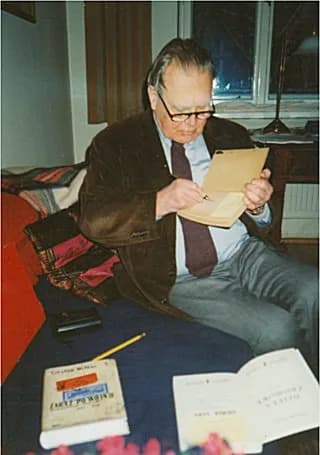
Photo: Mariusz Kubik, CC BY-SA 3.0, via Wikimedia Commons.
Wislawa Szymborska (1996): The Poet the Nobel Committee Called the "Mozart of Poetry"
Wisława Szymborska won in 1996, with the Academy citing poetry that "with ironic precision allows the historical and biological context to come to light in fragments of human reality." She published sparingly — fewer than 350 poems across her whole career — but each one tends to land with disarming clarity, taking ordinary, even mundane subjects and quietly turning them philosophical.
She spent almost her entire life in Kraków, largely avoided the public eye even after winning, and famously undercut her own Nobel Lecture by opening it with a joke about how poets almost never manage to explain their own work convincingly. If you're curious how she's discussed alongside the country's other famous names, our guide to famous Polish people covers her pronunciation and a handful of her contemporaries too.
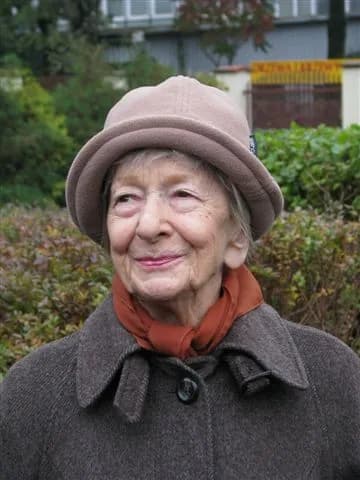
Photo: Mariusz Kubik, CC BY 3.0, via Wikimedia Commons.
Olga Tokarczuk (2018): Poland's Newest and Most Boundary-Breaking Laureate
Olga Tokarczuk's Nobel, formally the 2018 prize but awarded in 2019 after a one-year delay caused by a scandal inside the Swedish Academy, cited "a narrative imagination that with encyclopedic passion represents the crossing of boundaries as a form of life." She's also the only writer on this list still actively publishing new work, which makes her the easiest entry point for readers who want something more contemporary than a 19th-century epic.
Her novel Flights — a fragmented, genre-blurring meditation on travel and the human body — won the International Booker Prize in 2018, making her one of very few writers to hold both a Booker and a Nobel. Drive Your Plow Over the Bones of the Dead, part murder mystery and part environmental parable, is probably her most approachable starting point in English translation.
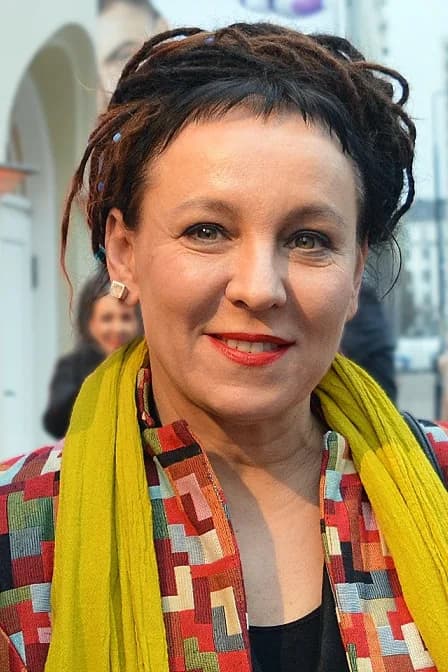
Photo: Fryta 73, CC BY-SA 2.0, via Wikimedia Commons.
What About Adam Mickiewicz? Why Poland's National Poet Never Won
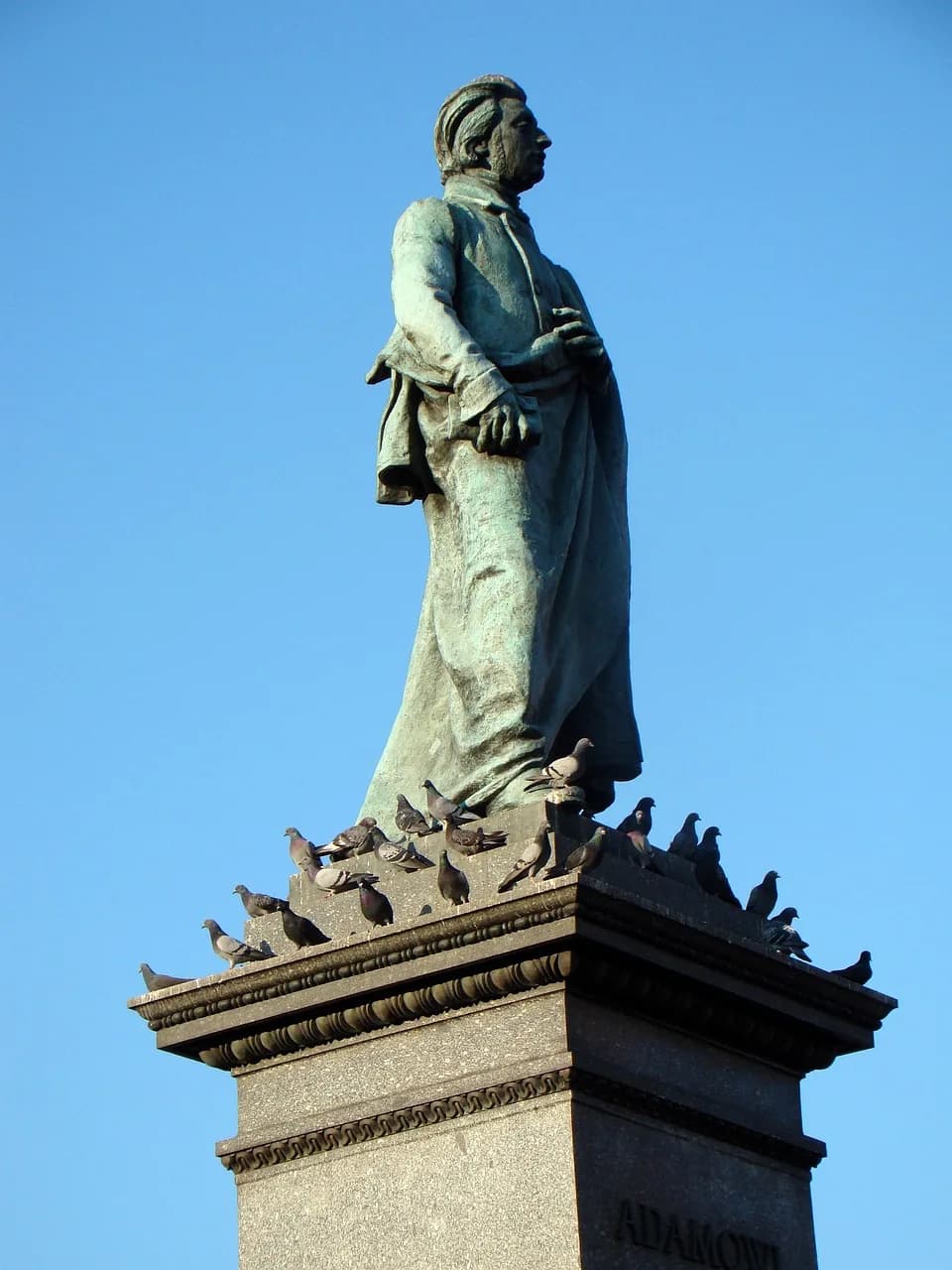
If you know anything about Polish literature, you might expect Adam Mickiewicz — the poet Poles usually call their greatest writer — to top this list. He doesn't appear on it at all, and the reason is simple: Mickiewicz died in 1855, forty-six years before the Nobel Prize existed. The prize wasn't first awarded until 1901.
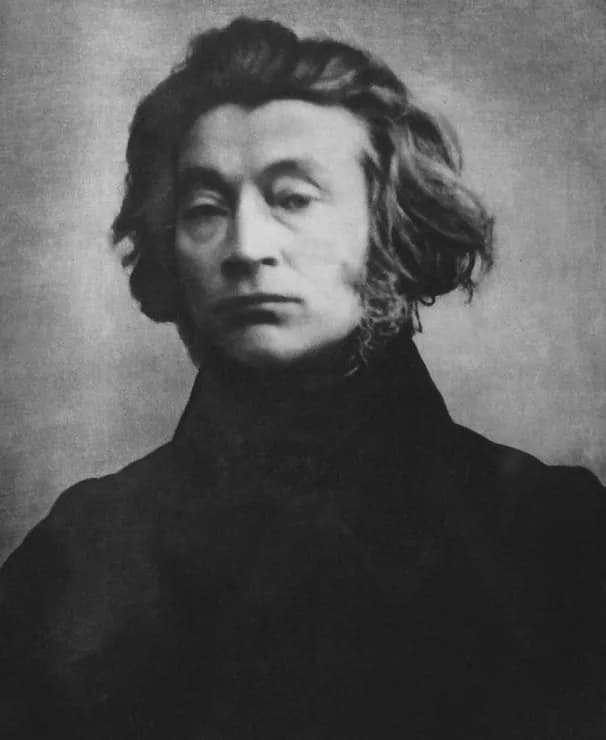
Mickiewicz predates every laureate here by decades and shaped the literary tradition all five of them were writing into. If you want the fuller story — his exile, his epic poem Pan Tadeusz, and why his statue anchors nearly every Polish city square — our deep dive on Adam Mickiewicz and Pan Tadeusz covers it in full.
Where the Nobel Ceremony Actually Happens
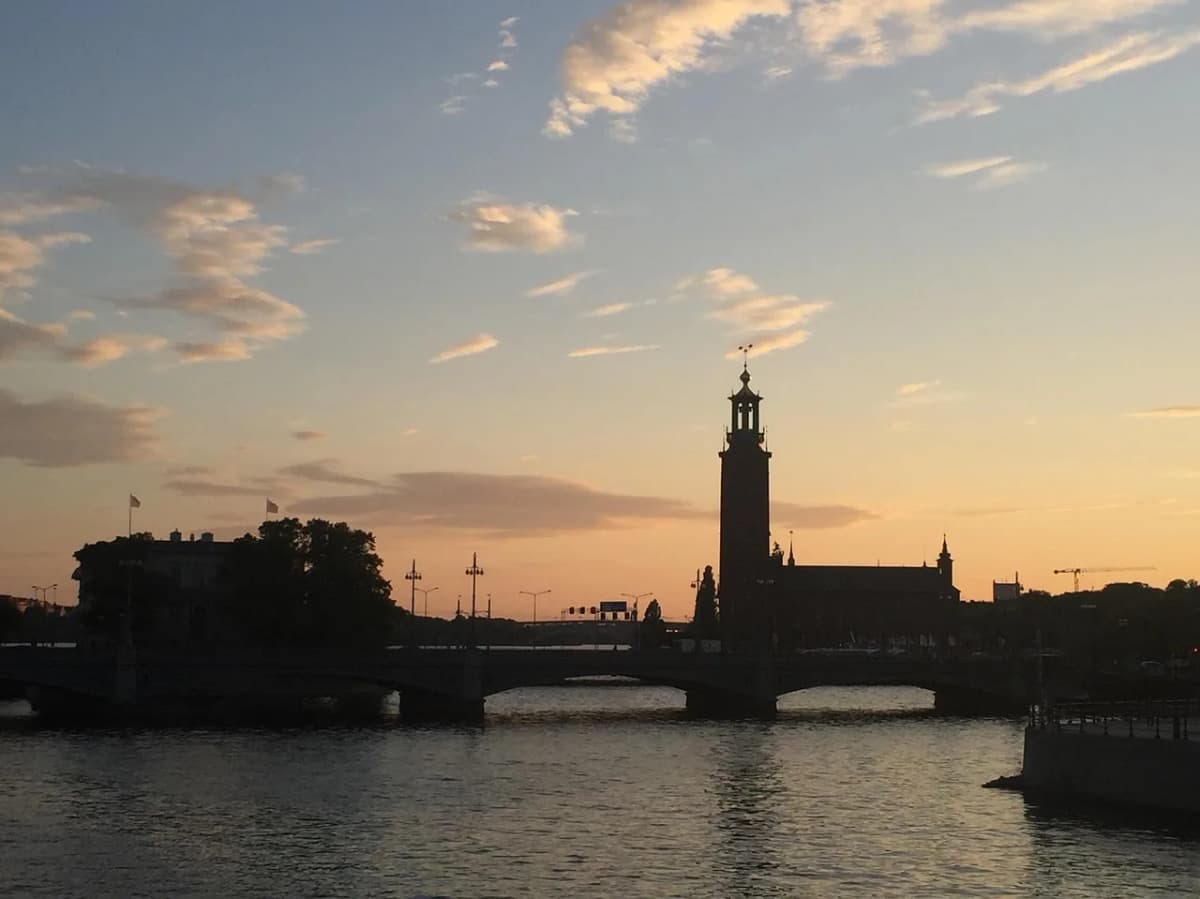
All five of these writers, at some point, traveled to Stockholm to accept their prize (or, in Reymont's case, sent a representative — he was too ill to attend in person and died months later). The Nobel Prize in Literature is awarded at a ceremony in Stockholm Concert Hall each December, followed by a formal banquet at Stockholm City Hall, a building whose gold-mosaic Golden Hall and lakeside setting have become almost as strongly associated with the prize as the medal itself.
Where to Start Reading Each Laureate
If this list has you curious, the easiest on-ramps in English translation are: Quo Vadis for Sienkiewicz (widely available, genuinely gripping despite its age), The Captive Mind for Miłosz if you want nonfiction or his New and Collected Poems if you want verse, Szymborska's Map: Collected and Last Poems for a single-volume overview of her whole career, and Drive Your Plow Over the Bones of the Dead for Tokarczuk. Reymont's The Peasants is the hardest of the five to find in a strong modern English edition, but worth the search for readers interested in literary realism.
How Poland Honors Its Nobel Laureates Today
All five names on this list have long since moved from literary history into everyday Polish civic life. Sienkiewicz has a museum dedicated to him in Warsaw and a mountain resort street named after him in nearly every town; Reymont is buried in Warsaw's Powązki Cemetery beneath a monument funded partly by public subscription. Miłosz has a foundation and an annual poetry festival in Kraków bearing his name, and his grave at Skałka in Kraków draws steady visits from readers decades after his 2004 death.
Szymborska's old Kraków apartment building now carries a commemorative plaque, and her poems are reprinted often enough in Polish newspapers that quoting a line of hers in casual conversation barely registers as a literary reference — it's closer to how English speakers might drop a line from a well-known song. Tokarczuk, still very much active, has become something closer to a public intellectual than a purely literary figure, weighing in regularly on Polish political and environmental debates in a way none of the other four laureates lived to do in the internet era.
All 5 Polish Nobel Prize Winners in Literature, at a Glance
| Laureate | Year | Cited For |
|---|---|---|
| Henryk Sienkiewicz | 1905 | "Outstanding merits as an epic writer" (Quo Vadis, The Trilogy) |
| Władysław Reymont | 1924 | "His great national epic" (Chłopi / The Peasants) |
| Czesław Miłosz | 1980 | Poetry voicing "man's exposed condition in a world of severe conflicts" |
| Wisława Szymborska | 1996 | Poetry with "ironic precision" illuminating "fragments of human reality" |
| Olga Tokarczuk | 2018 (awarded 2019) | "A narrative imagination" crossing boundaries "as a form of life" |
Common Misconceptions About Poland's Nobel Laureates
"Adam Mickiewicz won a Nobel Prize." He didn't — he died in 1855, decades before the prize existed. He's Poland's most revered writer, but not one of its five literature laureates.
"Marie Curie counts as a literature laureate." Curie won two Nobel Prizes, in physics and chemistry, making her a scientific rather than literary laureate — and the only Polish-born person to win a Nobel in a scientific field twice over. She's a completely separate list from the one covered here.
"All five wrote in similar styles or genres." They span historical epic (Sienkiewicz), rural realist fiction (Reymont), philosophical and political poetry (Miłosz), spare ironic poetry (Szymborska), and genre-blurring contemporary fiction (Tokarczuk) — there's no single "Polish Nobel style."
Frequently Asked Questions
How many Nobel Prizes in Literature has Poland won? Five, awarded in 1905 (Henryk Sienkiewicz), 1924 (Władysław Reymont), 1980 (Czesław Miłosz), 1996 (Wisława Szymborska), and 2018/2019 (Olga Tokarczuk).
Who was Poland's first Nobel Prize winner in literature? Henryk Sienkiewicz, in 1905, cited for his work as an epic writer — most famously the historical novel Quo Vadis.
Why didn't Adam Mickiewicz win a Nobel Prize? He couldn't have — Mickiewicz died in 1855, and the Nobel Prize wasn't established until 1901. He's still widely considered Poland's greatest writer despite predating the prize entirely.
Is Olga Tokarczuk's Nobel Prize technically the 2018 or 2019 prize? Both, in a sense: it's formally the 2018 Nobel Prize in Literature, but it was awarded in 2019 after the Swedish Academy postponed the 2018 selection following an internal scandal.
Which Polish Nobel laureate in literature is easiest to start reading? Olga Tokarczuk, since she's the most contemporary and widely available in modern English translation, followed closely by Szymborska, whose short poems require no long-term commitment to get a real sense of her work.
Did any of these laureates win other major literary prizes too? Yes — Olga Tokarczuk also won the International Booker Prize in 2018 for Flights, making her one of a small number of writers to hold both a Nobel and a Booker.
Are there other Polish Nobel Prize winners outside literature? Yes — Poland has laureates across multiple categories, including Marie Curie (physics and chemistry) and Lech Wałęsa (Peace Prize, 1983), bringing Poland's total Nobel count well beyond just the five literature winners covered here.
Has any Polish Nobel laureate in literature written primarily in a language other than Polish? No — all five wrote in Polish throughout their careers, even Miłosz and Tokarczuk, who spent significant stretches of their lives abroad. That consistency is part of why translators matter so much to how this list is understood internationally: without strong English versions, none of these five would be nearly as widely read outside Poland as they are.
Five laureates across more than a hundred years isn't a huge list, but it's a remarkably dense one — each writer arriving at a moment that needed exactly the kind of literature they were producing. Reading through them in order is less like working through a syllabus and more like watching a country describe, in real time, what it was going through: occupation, rural transformation, exile, quiet irony, and now a literature confident enough to cross genres on its own terms.
That's a lot of ground for five people to cover, and it's worth remembering literature is only half of Poland's arts story — the painters working in the same eras were wrestling with almost identical questions of identity and occupation, just with a brush instead of a pen.