Polish football clubs rarely get much attention outside the country, but the league behind them — the Ekstraklasa — has nearly a century of history, some of the fiercest derbies in Europe, and one direct link to the world's best-known Polish athlete of the last decade. Robert Lewandowski didn't become a global superstar in Germany or Spain; he became a champion first at Lech Poznań, and that connection alone makes Lech a natural place to start any list of the country's biggest clubs.
This ranking blends trophy history with current form, because a "greatest Polish clubs" list built purely on decades-old title counts misses what's actually happening in Polish football right now. A club that's dominant today, with a genuine European run and a homegrown legend on its résumé, earns a different kind of respect than one coasting on titles won half a century ago.
Here are the ten Polish football clubs worth knowing — how they got here, who they've produced, and why their rivalries still matter.
The Top Polish Football Clubs, Ranked
Before the full breakdown, here's the list at a glance — useful if you just want the names and the one fact that defines each club before deciding which rivalry or story to read about first.
| # | Club | Titles | Defining fact |
|---|---|---|---|
| 1 | Lech Poznań | 10 | Back-to-back champions; Lewandowski's breakout club |
| 2 | Legia Warszawa | 15 | Most decorated club in Polish history |
| 3 | Wisła Kraków | 14 | One of Poland's two oldest clubs (founded 1906) |
| 4 | Cracovia | 5 | Poland's oldest club; Wisła's "Holy War" rival |
| 5 | Górnik Zabrze | 14 | Dominant Silesian side of the 1960s–70s |
| 6 | Ruch Chorzów | 13 | Górnik's Great Silesian Derby rival (120+ meetings) |
| 7 | Widzew Łódź | 2 | Two European Cup semifinals in the 1980s |
| 8 | Śląsk Wrocław | 2 | Largest fanbase outside the traditional "big four" |
| 9 | Raków Częstochowa | 1 | First-ever title in 2023, smaller-city underdog story |
| 10 | Jagiellonia Białystok | 1 | First-ever title in 2024, easternmost major club |
With the overview out of the way, here's the full story behind each one, starting with the club currently playing the best football in the country.
1. Lech Poznań
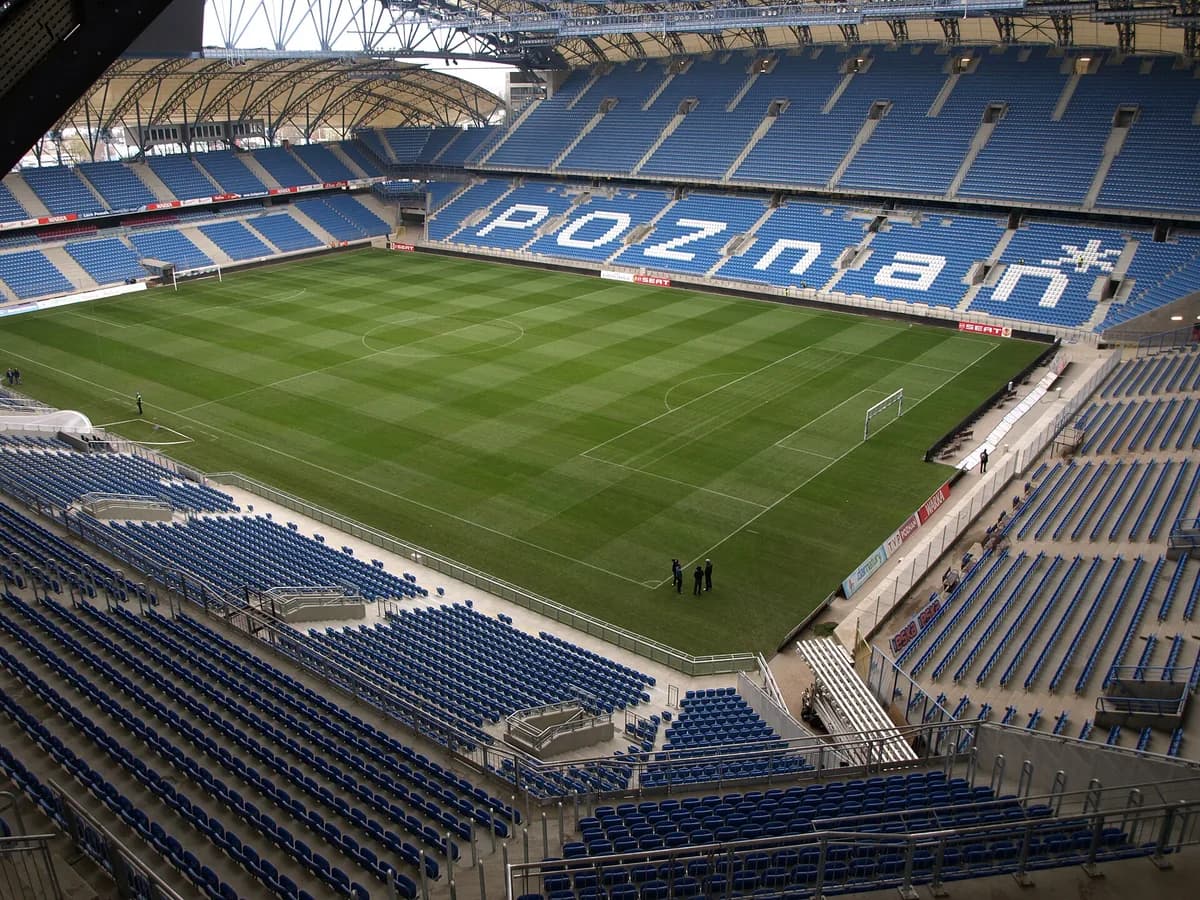
Photo: Carte, CC BY-SA 3.0, via Wikimedia Commons.
Lech Poznań tops this list for a simple reason: no club in Poland is playing better football right now, and none has a stronger claim to producing the country's greatest-ever player. Lech has won the Ekstraklasa 10 times, and the two most recent titles — 2024–25 and 2025–26 — came back to back, the club's first successful title defense since 1993.
The 2025–26 title was sealed with a 3–1 win over Radomiak Radom on 16 May 2026, capping the club's 104th season and 24th consecutive year in Poland's top flight. Beyond the domestic double, Lech backed it up on the continental stage, reaching the quarterfinals of the UEFA Conference League in 2022–23 — one of the best European runs by a Polish club in the modern era.
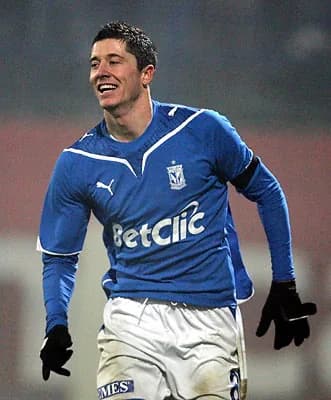
Photo: TomekBlaszczyk, CC BY-SA 4.0, via Wikimedia Commons.
None of that explains why Lech carries the weight it does internationally, though — that comes down to one player. Robert Lewandowski signed with Lech in June 2008 from Znicz Pruszków for a modest 1.5 million złoty, and over two seasons he scored 41 goals in 82 matches.
In 2009–10, he finished as the league's top scorer with 18 goals and dragged Lech to their first title in 17 years, scoring five goals in the final four games alone, including a decisive brace against Śląsk Wrocław. That season he swept the board — league title, Polish Cup, Polish Super Cup, and the Golden Boot — before Borussia Dortmund signed him in 2010, launching the career that eventually made him one of the most prolific strikers in European football history.
It's genuinely rare for a future world-class striker to develop his breakout season at a club outside one of Europe's five biggest leagues, which is part of why that 2009–10 Lech side still gets talked about. Most Polish football fans can name the exact goals from that title run from memory, the same way English fans might recall a specific title-clinching season decades later.
2. Legia Warszawa
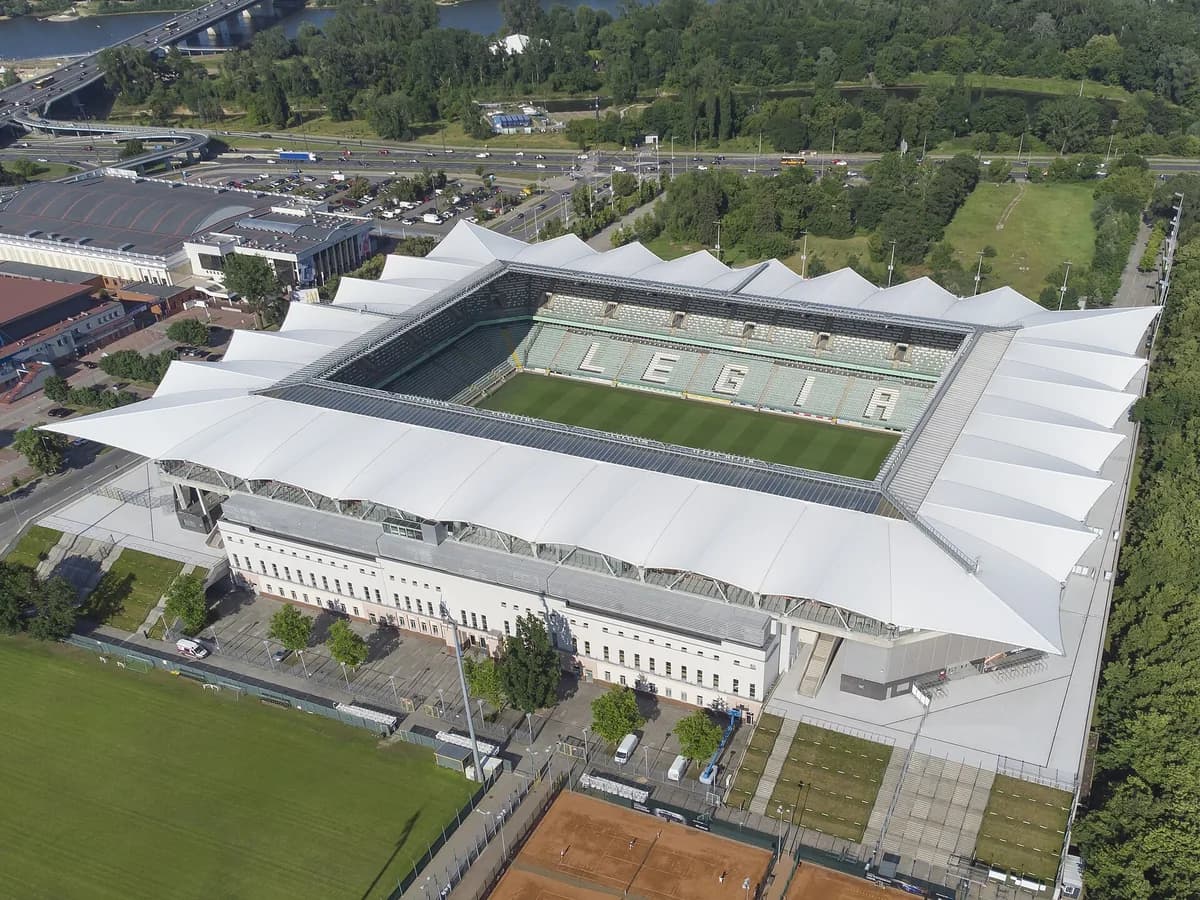
Photo: Emptywords, CC BY-SA 4.0, via Wikimedia Commons.
By pure trophy count, Legia Warszawa is still the most decorated club in Polish football history — 15 league titles, 20 Polish Cups, and 5 Polish Super Cups, more than any other side has managed. As the capital's flagship club, Legia has spent most of the Ekstraklasa era as a genuine title contender rather than a middle-of-the-table name.
Legia's biggest rivalry is the "Derby of Poland" against Lech Poznań, a fixture that carries real cultural weight beyond the scoreline — Warsaw's political and institutional weight against Poznań's industrial, self-made identity. Whenever the two meet, it's treated as the biggest single match of the Ekstraklasa calendar.
3. Wisła Kraków
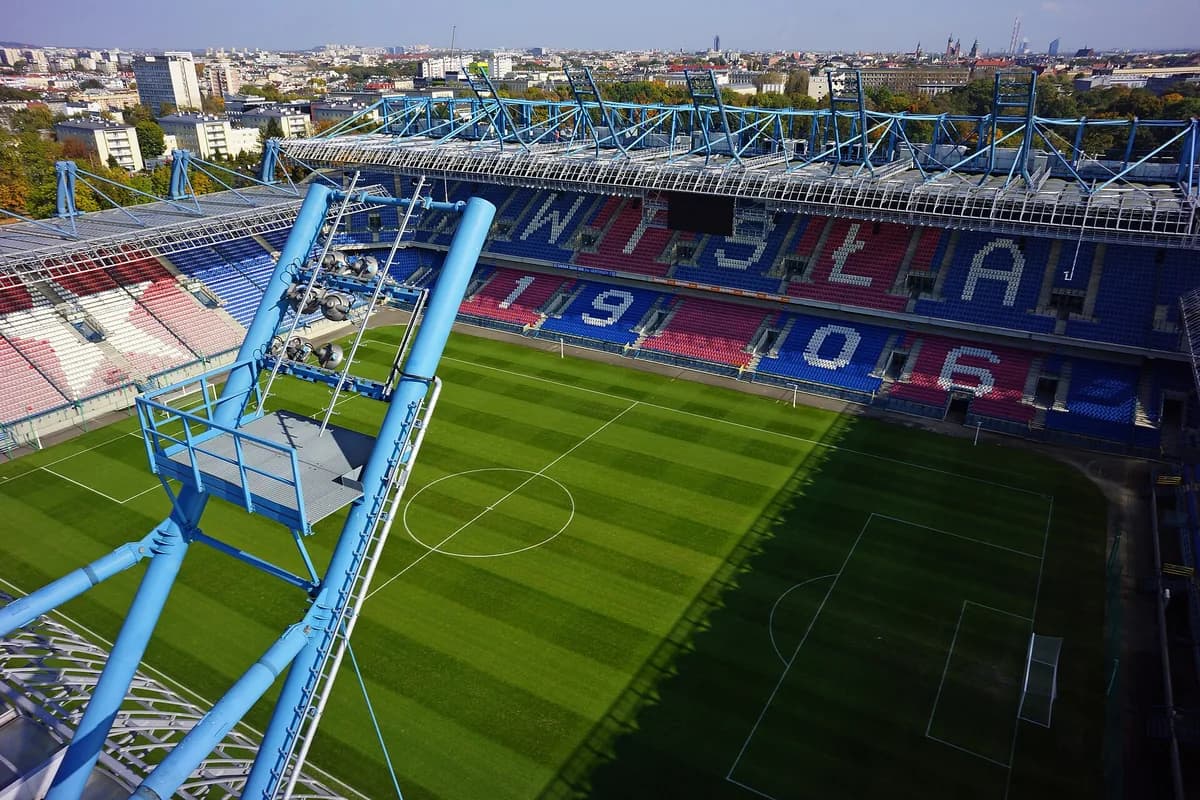
Photo: Piotr Tomaszewski (fly4pix.pl), CC BY-SA 4.0, via Wikimedia Commons.
Wisła Kraków sits right behind the top two on trophies, with 14 league titles across a history stretching back to 1906, making it one of the two oldest clubs in the country. For much of the 2000s, Wisła traded the "most successful club in Poland" title back and forth with Legia, and the rivalry between the two remains one of the league's fiercest modern matchups.
Wisła's other rivalry is arguably even more intense, and it doesn't involve Legia at all — it's played entirely within Kraków itself.
4. Cracovia
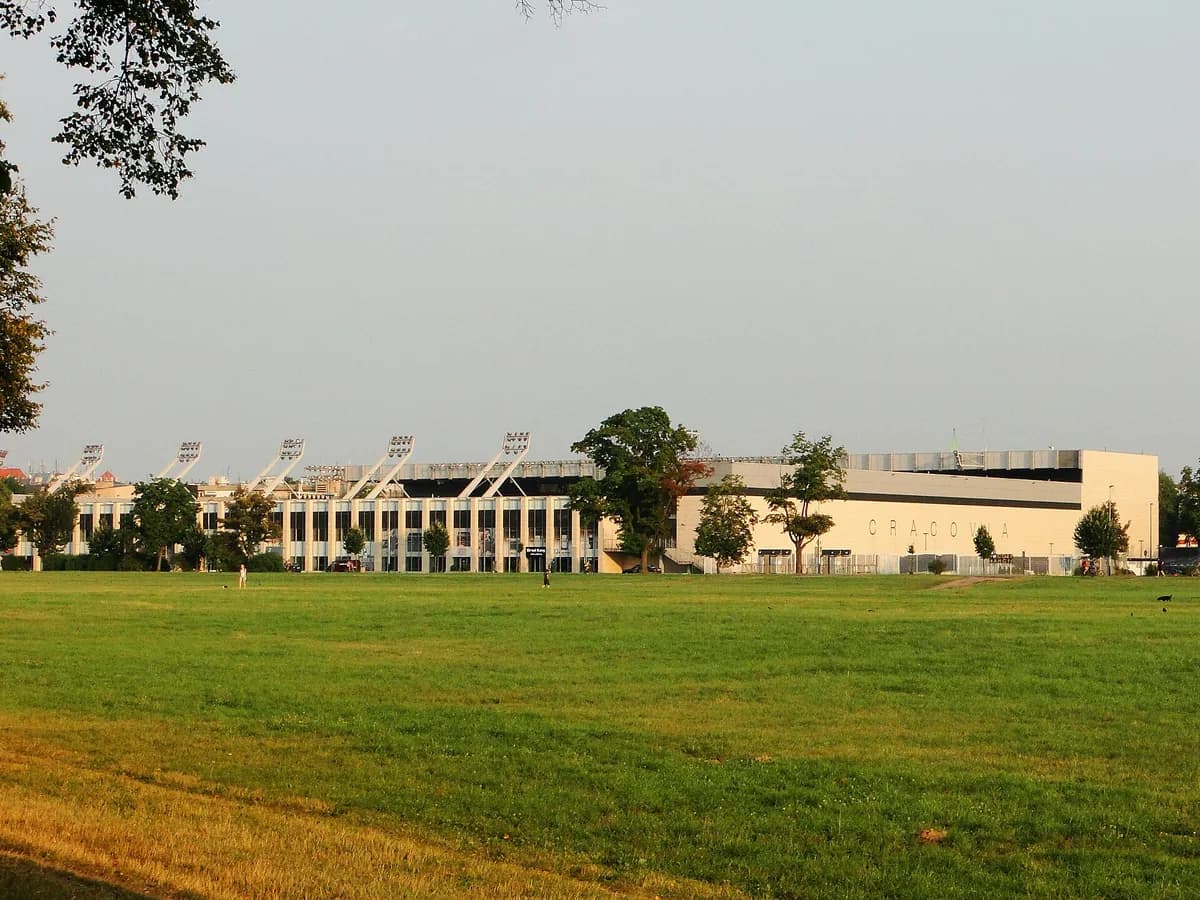
Photo: Mateusz Giełczyński (Misiek2), CC BY-SA 4.0, via Wikimedia Commons.
Cracovia is Poland's oldest football club, founded in 1906, the same year as its city rival Wisła. The two clubs have spent over a century sharing a single city, and that proximity has produced the "Holy War" — one of the fiercest, most-played derbies anywhere in Central Europe, with more than 100 official meetings.
Cracovia's stadium sits a short walk from Wisła's, which only sharpens the rivalry — this isn't a once-a-season away trip, it's a match against the club on the other side of the neighborhood. Trophies matter less to Cracovia's place on this list than that sheer, unbroken history and the intensity of derby day whenever the two Kraków sides meet.
5. Górnik Zabrze
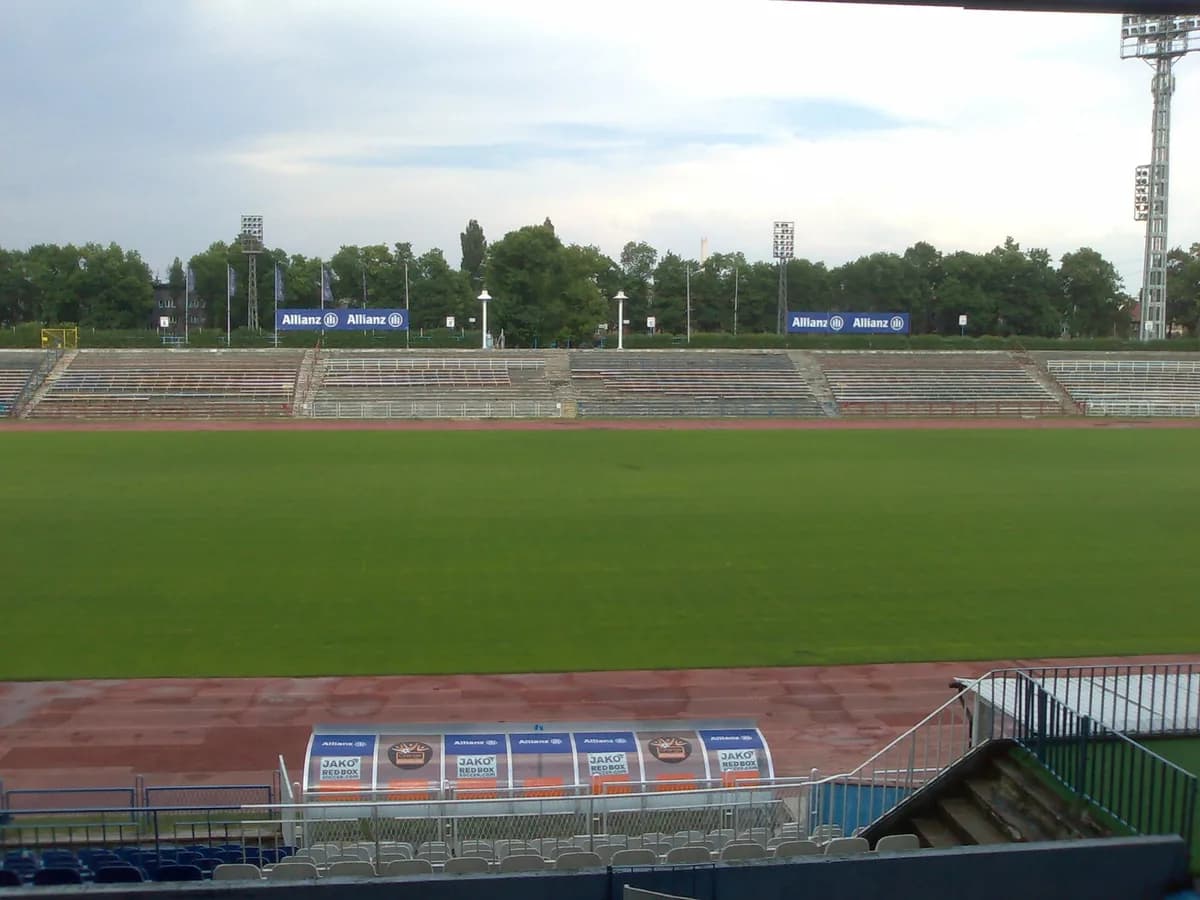
Photo: TreworBG, CC BY 3.0, via Wikimedia Commons.
Górnik Zabrze is the second-most decorated club in Polish football, with 14 league titles won mostly during a dominant run through the 1960s and '70s, when the Silesian mining region produced some of the strongest club sides in the country. Górnik also holds 6 Polish Cups, cementing that era as one of the most successful spells any Polish club has had.
Górnik's identity is deeply tied to Silesia's mining and industrial heritage, and its fanbase carries that working-class regional pride into its biggest fixture: a derby against a club just down the road.
6. Ruch Chorzów
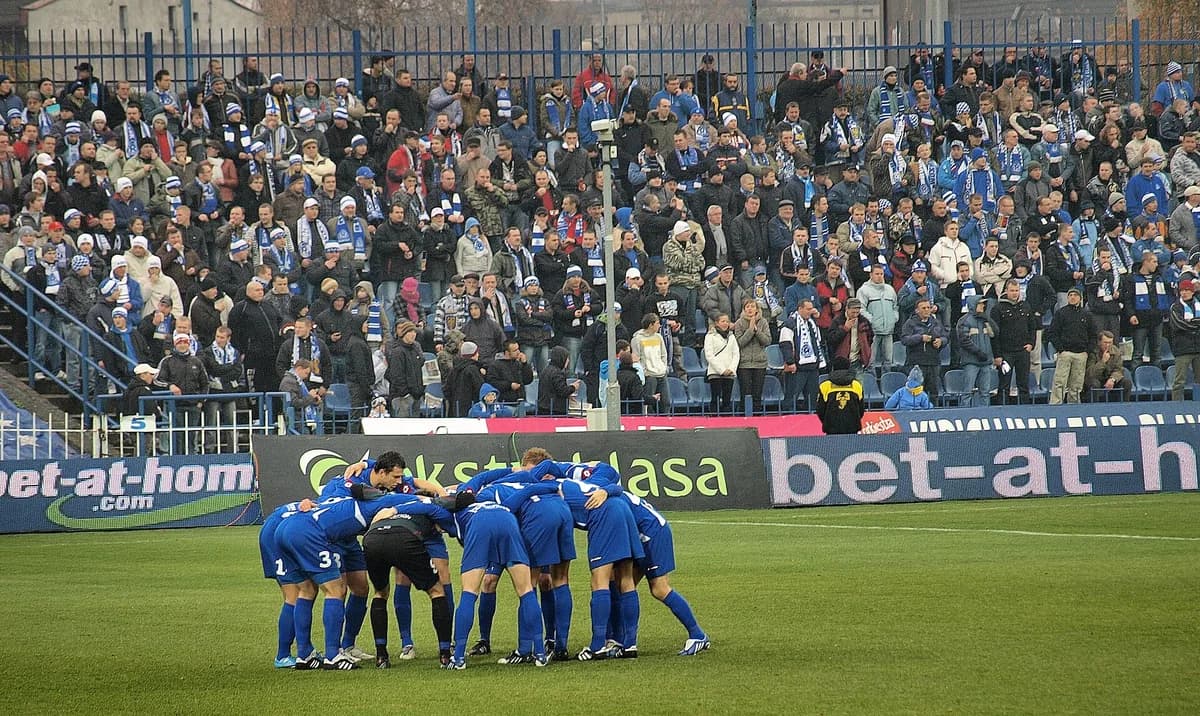
Photo: Stradovius, CC BY-SA 4.0, via Wikimedia Commons.
Ruch Chorzów has won 13 league titles, placing it just behind Górnik among Poland's all-time most successful clubs — and the two share not just a region but the most contested rivalry in the country. The "Great Silesian Derby" between Górnik and Ruch has been played more than 120 times, more than any other Polish derby, a product of the two clubs sitting almost on top of each other in the same industrial urban sprawl.
That density of history is what keeps Ruch relevant on a list like this even without a recent title: a rivalry played out that many times, in cities this close together, doesn't fade just because the trophies have slowed down.
7. Widzew Łódź
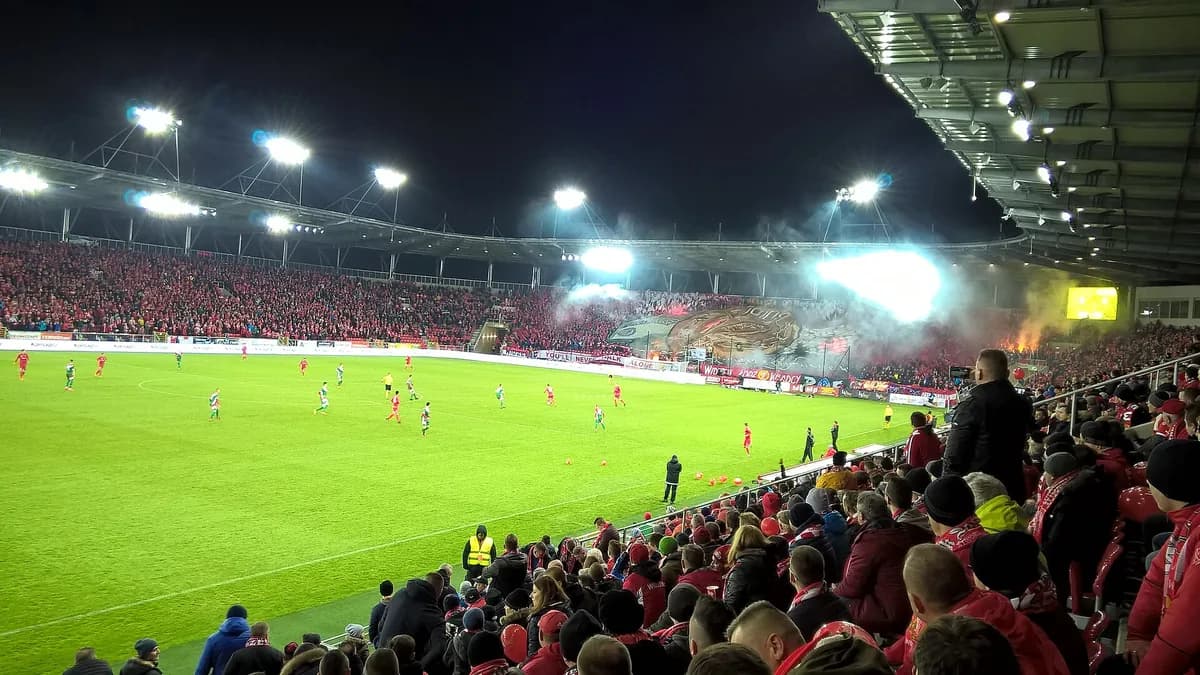
Photo: Arewicz, CC BY 3.0, via Wikimedia Commons.
Widzew Łódź has only won the Ekstraklasa twice, but for a stretch in the 1980s it was arguably the best club side Poland has ever produced internationally, reaching the semifinals of the European Cup — the predecessor to the Champions League — not once but twice. That run earned Widzew an old nickname among Polish football writers: the "Polish Real Madrid," a nod to how far above its domestic peers the club briefly played.
Widzew's more recent history has been rockier, including stretches outside the top flight, but its historic fanbase in Łódź has stayed large and loyal through relegations and promotions alike — a testament to how much that 1980s European run still means to the club's identity.
Łódź itself was one of Poland's major industrial textile cities for most of the 20th century, and Widzew's fanbase draws heavily on that same working-class identity that fuels Górnik's and Ruch's support in Silesia. A club's biggest era doesn't have to be recent to still shape how a whole city sees itself decades later.
8. Śląsk Wrocław
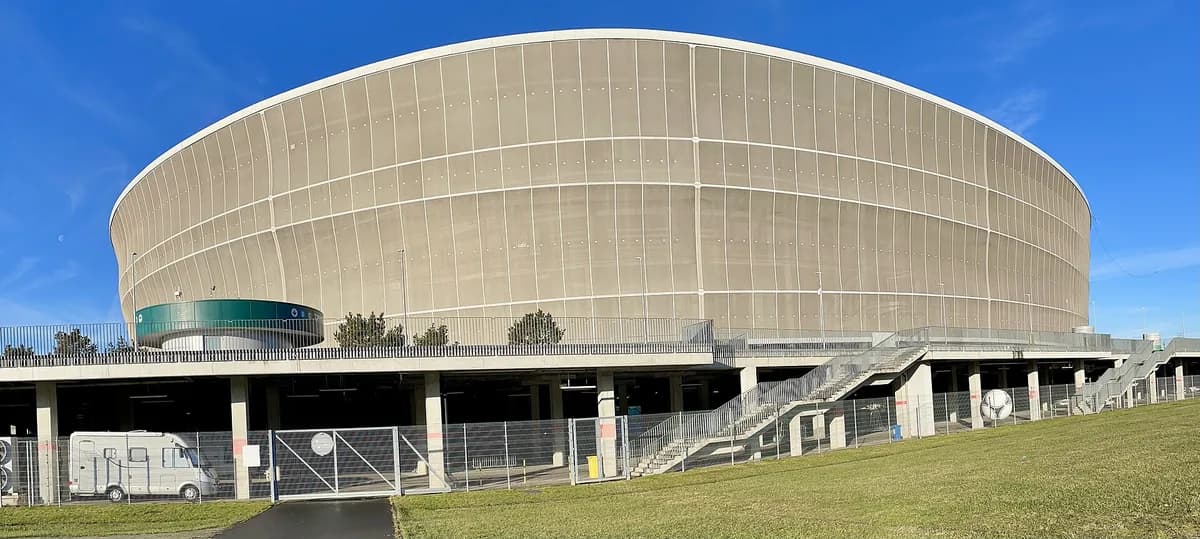
Photo: Olgierd Rudak, CC BY-SA 4.0, via Wikimedia Commons.
Śląsk Wrocław has two league titles to its name and one of the biggest, most consistently passionate fanbases outside the traditional "big four" of Legia, Lech, Wisła, and Górnik. Wrocław is one of Poland's largest cities, and Śląsk's support reflects that scale even in seasons when the results haven't matched the biggest clubs on this list.
Fittingly, Śląsk also has a small footnote in the Lewandowski story: Wrocław is where he scored twice in the final stretch of the 2009–10 season to help seal Lech's title-winning run.
Wrocław's size alone — it's Poland's fourth-largest city — means Śląsk can draw on a bigger pool of potential supporters than clubs based in smaller industrial towns like Chorzów or Częstochowa, even in years when results don't match that scale. That's part of why the club keeps showing up on "biggest clubs in Poland" conversations even during quieter stretches without a title challenge.
9. Raków Częstochowa
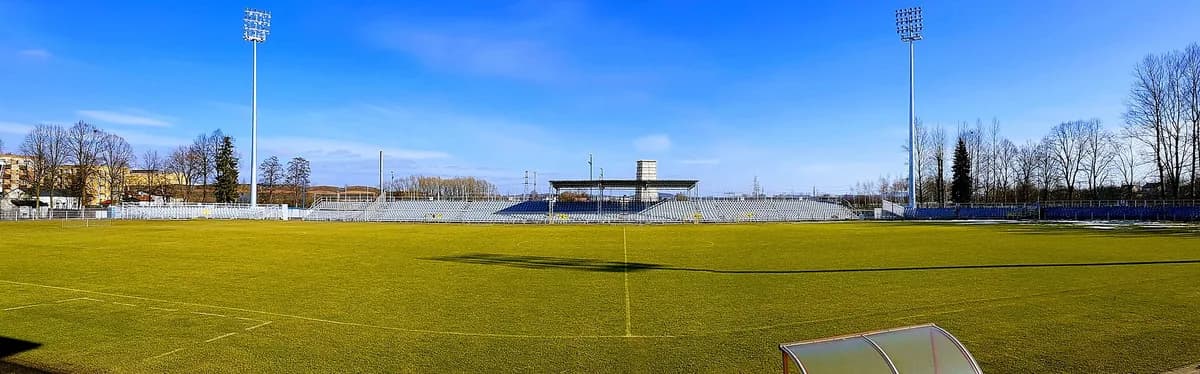
Photo: Carl92 (fczajkowski), CC BY-SA 4.0, via Wikimedia Commons.
Raków Częstochowa is the underdog story of modern Polish football. On 7 May 2023, Raków won its first-ever Ekstraklasa title, finishing 9 points clear of runner-up Legia Warszawa — a genuine shock given Częstochowa is a smaller city with none of the historic resources of Legia, Lech, or the Kraków clubs. The stadium pictured above tells that story on its own: a modest, unglamorous ground next to the giants of Polish football on this list.
The title wasn't a fluke season, either — Raków backed it up with continued European qualification in the years since, proving a smaller club could compete with the league's traditional powers on a sustained basis, not just for one surprise year.
10. Jagiellonia Białystok
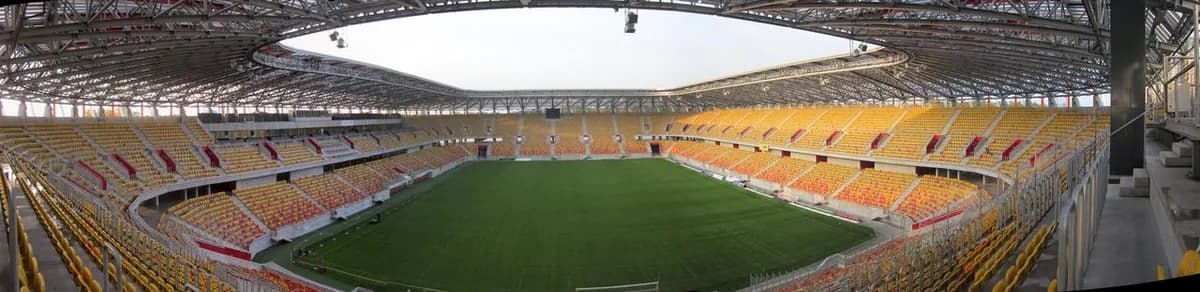
Photo: es12077, via Wikimedia Commons.
Jagiellonia Białystok completes this list as the other half of Polish football's recent shake-up: its first-ever Ekstraklasa title came in 2023–24, one year after Raków's own breakthrough. Based in Białystok, in the far east of the country, Jagiellonia had spent decades as a respected but rarely title-challenging side before that season changed the conversation entirely.
Between Raków's 2023 title and Jagiellonia's 2024 title, Polish football had two straight seasons where a club won it all for the very first time — a genuinely unusual run before Lech Poznań reasserted the old order with its 2025 and 2026 titles.
A Note on Pronunciation
Half the challenge of following Polish football as a learner is just saying the club names correctly — Częstochowa, Chorzów, Zabrze, and Białystok are all real tongue-twisters if you've never seen Polish spelling rules explained. Since every club on this list is named after its home city, the same rules that help you pronounce Polish place names in general will get you through commentary and club names alike:
Polish Cities — Grammar Reference
Robert Lewandowski isn't the only famous Pole worth knowing how to pronounce correctly, either — our guide to famous Polish people covers more names you're likely to encounter, with the same kind of pronunciation help.
Frequently Asked Questions
Which Polish football club has won the most league titles? Legia Warszawa, with 15 Ekstraklasa titles, the most of any club in the league's history.
Did Robert Lewandowski really play for a Polish club? Yes — Lewandowski played for Lech Poznań from 2008 to 2010, winning the league title, Polish Cup, Polish Super Cup, and the league's Golden Boot in his final season before transferring to Borussia Dortmund.
What is the biggest rivalry in Polish football? There are several fierce ones, but the "Great Silesian Derby" between Górnik Zabrze and Ruch Chorzów has been played the most times (120+), while the "Holy War" between Wisła Kraków and Cracovia is often cited as the most intense.
Is Lech Poznań currently the best team in Poland? By recent results, yes — Lech won back-to-back Ekstraklasa titles in 2024–25 and 2025–26, its first successful title defense since 1993.
What is the Ekstraklasa? The Ekstraklasa is Poland's top professional football division, founded in 1926 and continuously run (under various names) ever since.
Which club is the oldest in Poland? Cracovia and Wisła Kraków, both founded in 1906, are generally considered the country's two oldest major clubs.
Have any Polish clubs done well in European competitions? Widzew Łódź reached the European Cup semifinals twice in the 1980s, and more recently Lech Poznań reached the UEFA Conference League quarterfinals in 2022–23.
Are Raków Częstochowa and Jagiellonia Białystok considered "big clubs" now? They've earned recognition through recent titles, but they're still building the sustained history that clubs like Legia, Lech, and Wisła have — one or two titles is a breakthrough, not yet an established dynasty.
How many clubs play in the Ekstraklasa? The league runs with 18 clubs in most recent seasons, with promotion and relegation to and from the second-tier I liga each year.
Did any Polish club ever win a major European trophy? No Polish club has won one of Europe's top club competitions outright, which is exactly why Widzew's 1980s semifinal runs and Lech's 2022–23 Conference League quarterfinal stand out as the country's best results to date.
Ten clubs, a century of football, and one Polish striker who turned a modest transfer fee into the start of a career that made the rest of the football world finally pay attention to the Ekstraklasa — that's the shape of Polish club football today, even if most of it still flies under the radar outside the country's own borders.