
Ask a Polish person what to eat on a cold day and bigos comes up almost immediately — a dense, dark stew of sauerkraut, fresh cabbage, and whatever meat happens to be in the fridge, simmered for hours until it barely resembles its individual ingredients anymore. It's not fancy, it's rarely photogenic, and it's one of the most fiercely defended dishes in Polish cuisine.
Bigos is often translated as "hunter's stew," and that name is doing real historical work — this dish genuinely started as something hunters made from leftover game. This guide covers what's actually in it, where it came from, why Poles insist it tastes better on day three than day one, and the handful of Polish words you'll need to order it or talk about it.
The Polish National Dish: What Is Bigos, Exactly?
| Detail | Fact |
|---|---|
| Pronunciation | BEE-goss |
| English translation | Hunter's stew |
| Core ingredients | Sauerkraut, fresh cabbage, mixed meats, kielbasa |
| Typical seasoning | Juniper berries, bay leaves, allspice, black pepper |
| Often includes | Dried mushrooms, prunes, a splash of red wine |
| Cooking time | 3+ hours, often reheated over several days |
| Status | Considered Poland's national dish |
| First written mention | 1682, in Stanisław Czerniecki's cookbook Compendium Ferculorum |
At its core, bigos is a slow-cooked combination of sauerkraut and fresh cabbage with several kinds of meat — commonly pork, beef, and kielbasa — simmered together until the flavors are indistinguishable from one another. The sour tang of the sauerkraut, the smokiness of the sausage, and the sweetness from dried plums or a spoonful of honey are meant to balance out, not compete.
From Hunting Camps to National Dish: A Brief History
The word bigos isn't recorded before the 17th century, but the practice behind it is older and rougher around the edges than the refined stew served today. According to the Wikipedia entry on bigos, the earliest versions weren't even cabbage-based — they were finely chopped meat or fish doused in melted butter and heavily seasoned with sour, sweet, and spicy ingredients, a world away from what lands on a Polish table now.
The dish's practical, hunting-camp origins are where the "hunter's stew" translation comes from: after a day out, whatever game had been caught went into a shared pot, often on top of whatever was left simmering from the day before. That habit of building on the previous batch rather than starting fresh is baked directly into how bigos is still made and talked about today.
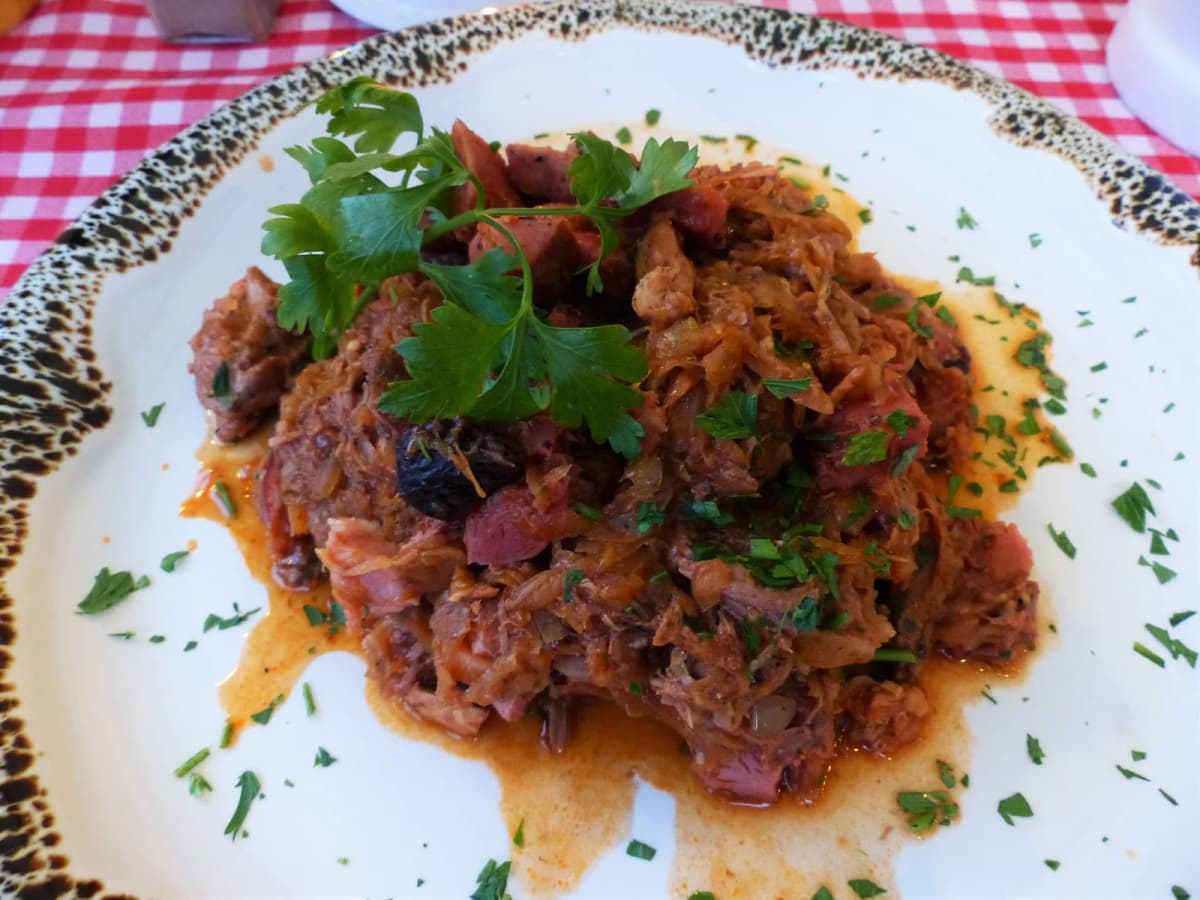
By the 18th century, a cheaper "poor man's" version using sauerkraut instead of expensive imported vinegars and citrus started to spread, and that version eventually won out — it's the sauerkraut-and-cabbage combination that defines bigos today, not the earlier butter-and-spice version aristocrats first wrote down.
How This Polish Hunter's Stew Is Made
There's no single fixed recipe — every Polish family insists their version is the correct one — but most versions share a common structure.
| Step | What Happens |
|---|---|
| 1. Meat prep | Multiple meats (pork, beef, kielbasa, sometimes game) are browned separately |
| 2. Cabbage base | Sauerkraut and fresh cabbage are combined, often in roughly equal parts |
| 3. Combining | Meat, cabbage, and aromatics go into one large pot together |
| 4. Slow simmer | The mixture cooks for at least 3 hours, sometimes much longer |
| 5. Resting | The pot is refrigerated and reheated over the following days |
| 6. Reheating | Each reheat is said to improve the flavor further |
Common seasonings include juniper berries, bay leaves, allspice, and black pepper, with many cooks adding dried mushrooms for earthiness and a handful of prunes or a spoonful of honey to round out the sauerkraut's sharp edge. A splash of red wine isn't unusual either, particularly in more modern or restaurant versions of the dish.
Why It Tastes Better the Next Day
This is the detail that surprises most newcomers: the stew isn't considered fully ready when it comes off the stove the first time. Polish tradition holds that it's at its best after being repeatedly refrigerated and reheated, sometimes over three or four days, as the flavors of the cabbage, meat, and spices continue merging.
Practically, this means it's often made in large batches specifically so there's enough to reheat across an entire week, and it's a common sight at Polish gatherings that stretch over several days — weddings, hunting trips, and especially Christmas, when a pot might simmer, rest, and get reheated across the whole holiday period.
A Dish With Real Literary Weight
Bigos has a genuine literary pedigree that few other dishes on this list can claim. Adam Mickiewicz immortalized it in Pan Tadeusz, the 1834 epic poem widely considered the Polish national epic, describing hunters enjoying a stew of "wondrous taste, colour and marvellous smell" after a bear hunt. That single passage is often credited with cementing its reputation as a distinctly Polish, distinctly noble-adjacent dish, even though its actual roots are humbler than the poem suggests.
That literary weight is part of why it gets called Poland's national dish more confidently than competitors like pierogi or kielbasa — it's not just popular, it's been written into the country's cultural canon. If you're curious about other foods that carry similar cultural weight, our guide to what pierogi actually is covers Poland's other most iconic dish in the same level of detail.
Regional and Modern Variations
| Variation | What's Different |
|---|---|
| Bigos myśliwski (hunter's bigos) | The traditional version, often including game meat like venison or wild boar |
| Bigos hultajski ("rascal's bigos") | A simpler, cheaper version historically associated with servants and the less well-off |
| Wigilijny bigos | A meat-free or fish-based version for Christmas Eve, when meat is traditionally avoided |
| Vegan/vegetarian bigos | A modern variation using mushrooms, plant-based sausage, or extra beans for texture |
| Restaurant bigos | Often lighter and less sour than home-cooked versions, sometimes finished with wine |
How It Compares to Other European Stews
Sauerkraut-and-meat stews aren't unique to Poland — nearly every country with a strong pickling and preservation tradition has some version. What sets the Polish approach apart is the specific combination of fresh cabbage alongside the fermented kind, plus the insistence on multiple distinct meats in a single pot rather than one dominant protein. That combination of textures and proteins is part of why it reads as more of a main course than a side dish, unlike some of its lighter regional cousins.
| Dish | Country | Key Difference |
|---|---|---|
| Bigos | Poland | Sauerkraut plus fresh cabbage, multiple meats, improves with reheating |
| Choucroute garnie | France (Alsace) | Sauerkraut-focused, typically one style of sausage and pork cuts |
| Segedin goulash | Hungary | Sauerkraut and pork in a paprika-forward, soupier stew |
| Kapustnica | Slovakia | A soupier sauerkraut and sausage dish, closer to broth than stew |
| Sauerkraut and pork (various) | Germany | Usually simpler, built around one meat rather than several |
The reheating tradition is arguably the most distinctive part — most of these neighboring dishes are eaten fresh, while Polish cooks specifically plan for bigos to sit, rest, and return to the table days later.
When Poles Actually Eat It
Bigos isn't strictly seasonal, but it clusters heavily around the colder months. It's a fixture of Christmas, when a pot is often started days before Christmas Eve and kept going through the holiday period, and it shows up constantly through the winter as a filling, warming answer to short days and cold weather.
It also has a strong association with hunting culture specifically — hunting clubs and rural gatherings often serve it after a day outdoors, a direct continuation of the communal-pot tradition the dish is named for. Summer bigos exists, but it's far less common; this is fundamentally a cold-weather dish built for cold-weather appetites.
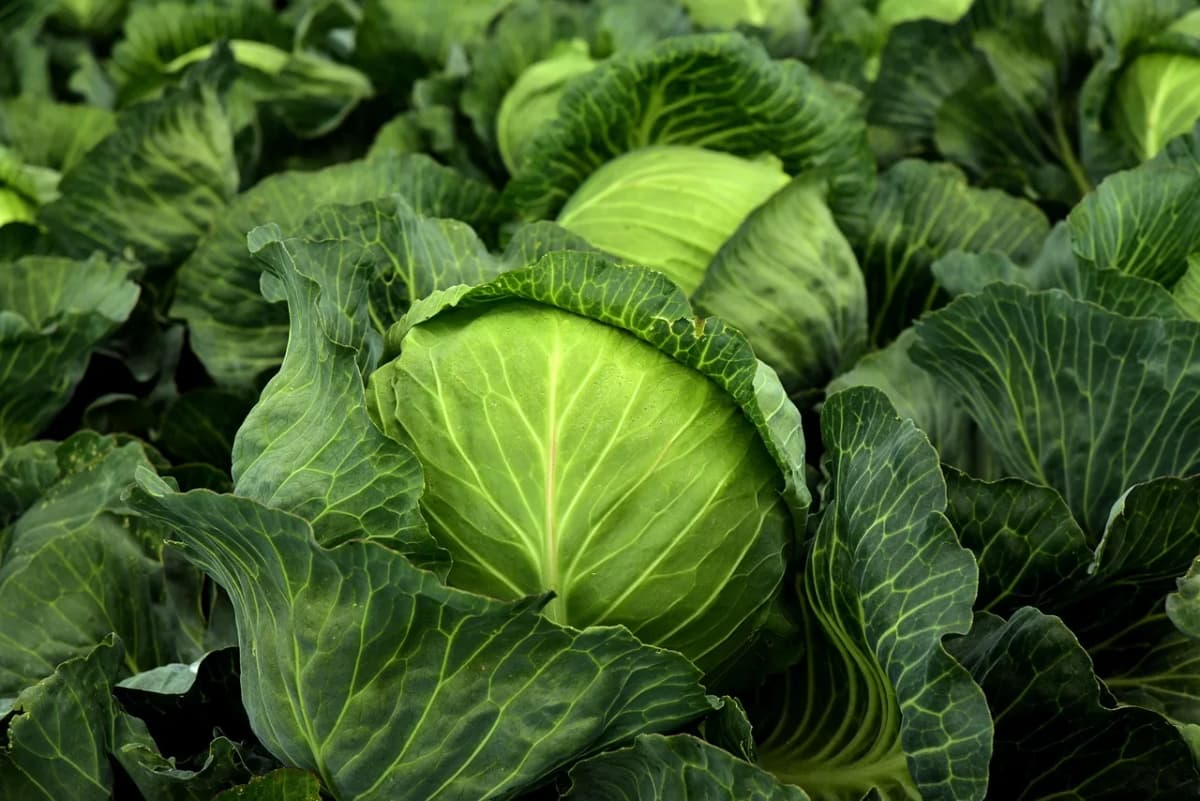
There's a practical reason behind that seasonality beyond just taste. Fresh cabbage harvests and sauerkraut fermentation both peak in autumn, meaning the core ingredients are naturally most abundant right as the weather turns — the dish essentially evolved to make use of what a Polish pantry actually had on hand once summer produce ran out. That agricultural rhythm still shapes when families cook it today, even though modern grocery stores make the ingredients available year-round.
Bigos Recipe Tips: Buying vs. Making It
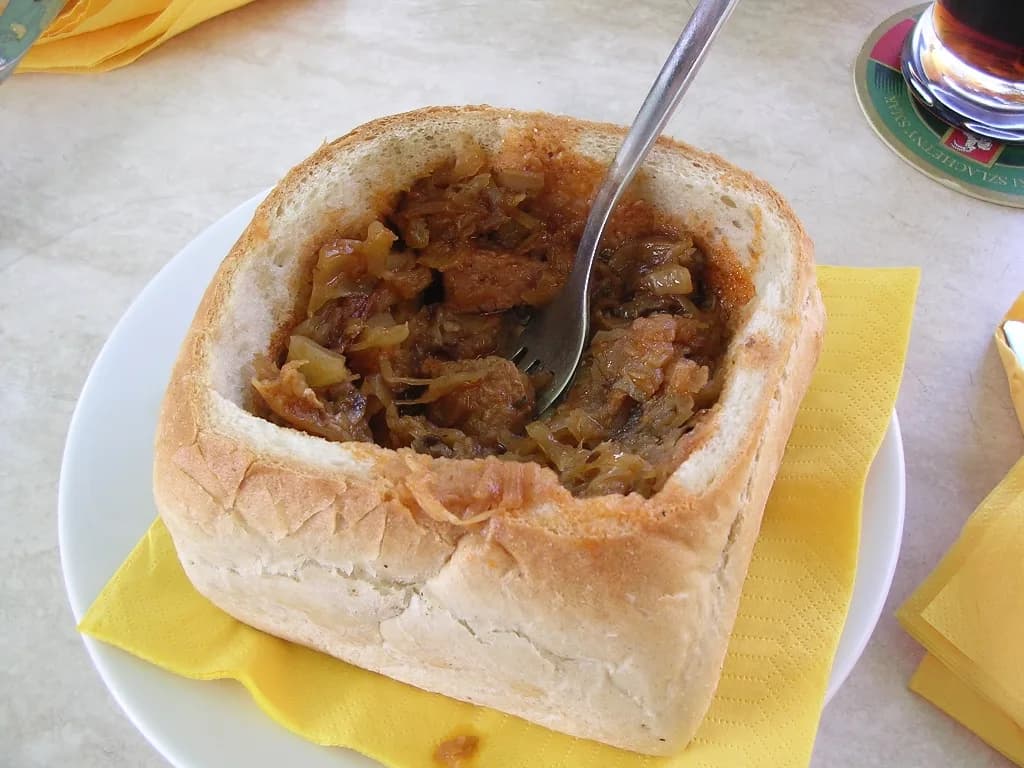
For visitors, restaurant bigos is the easiest way to try it without commitment, though it's worth knowing that restaurant versions are often milder and less sour than what you'd get at someone's home table, partly because commercial kitchens can't always let a batch rest for days the way a home cook would.
Supermarkets across Poland also sell jarred or pre-made versions, which make a reasonable starting point if a home-cooked or restaurant version isn't available, though most Poles will tell you it's a pale imitation of the real thing. If you do end up cooking it yourself, patience matters more than precision — a rushed, one-hour version misses the entire point of a dish built around slow transformation.
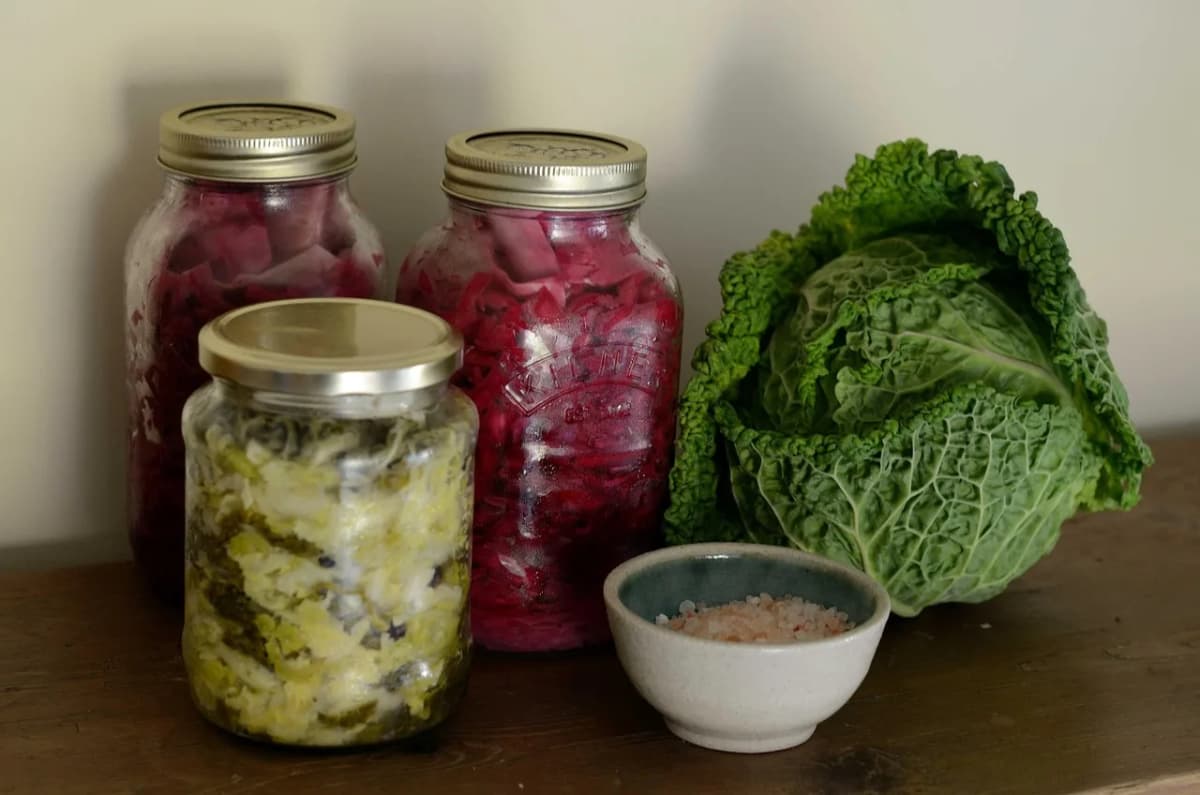
For anyone cooking a first batch at home, the most common beginner mistake is rushing the simmer or skipping the rest period entirely — both cut against exactly what makes the dish work. A weekend project, started Friday night and eaten from Saturday through Monday, is a far more realistic way to experience it properly than a single weeknight attempt. Large-batch cooking also means it scales naturally for gatherings, which is part of why it remains a fixture at weddings, family reunions, and other events where a crowd needs feeding over more than one sitting.
How to Order It in Polish
Scenario: You're at a Polish restaurant and want to try the national dish.
You: Czy macie dzisiaj bigos? (Do you have bigos today?) Waiter: Tak, świeżo ugotowany. (Yes, freshly cooked.) You: Z czym on jest? (What's in it?) Waiter: Z kiełbasą, wieprzowiną i grzybami. (With sausage, pork, and mushrooms.) You: Poproszę jedną porcję. (I'll have one portion, please.)
That short exchange covers the basics of ordering and asking what's actually in the pot — genuinely useful, since recipes vary enough from kitchen to kitchen that it's worth checking. For more restaurant-ready phrases like these, our guide to essential Polish phrases for travel and everyday life covers dozens of similar situational tables.
Common Mistakes to Avoid
| Mistake | Why It's a Problem | Do This Instead |
|---|---|---|
| Expecting it fresh off the stove to be the best version | Tradition holds bigos improves with reheating over days | Ask if it's a day or two old — that's a compliment, not a red flag |
| Assuming it's the same as sauerkraut soup | Bigos is a thick, meat-heavy stew, not a broth-based soup | Expect something closer to a cassoulet in texture |
| Ordering it expecting a light meal | It's dense, rich, and filling — a hunter's meal, not a snack | Pace yourself, especially before a full Polish meal |
| Thinking one recipe is "the" authentic one | Every region and family has genuine variations | Try bigos more than once from different sources before deciding what you prefer |
| Skipping it because "cabbage stew" sounds unappealing | The sauerkraut mellows dramatically after hours of cooking | Try a proper long-simmered version before judging the dish |
Table of Important Food Words
| Polish | English | Pronunciation Note |
|---|---|---|
| bigos | hunter's stew | BEE-goss |
| kapusta kiszona | sauerkraut | kah-POOS-tah kee-SHOH-nah |
| kapusta świeża | fresh cabbage | kah-POOS-tah SHVYEH-zhah |
| kiełbasa | sausage | kyew-BAH-sah |
| wieprzowina | pork | vyep-shoh-VEE-nah |
| grzyby | mushrooms | GZHIH-bih |
| smaczne | tasty | SMAHCH-neh |
| porcja | portion | POR-tsyah |
Frequently Asked Questions
What does bigos taste like? Sour, savory, and slightly sweet all at once — the sauerkraut provides tang, the meats add smokiness and richness, and dried plums or honey round out the sharper edges.
Is bigos the same as sauerkraut? No. Sauerkraut is one ingredient in bigos, not the dish itself — bigos is a hearty meat-and-cabbage stew that happens to use sauerkraut as its base alongside fresh cabbage.
Why does bigos taste better reheated? The flavors of the cabbage, meats, and spices continue to meld the longer the stew sits, which is why Polish cooks traditionally make it in large batches meant to be reheated over several days.
Is bigos always made with meat? Traditionally yes, but a meat-free version exists for Christmas Eve (Wigilia), when meat is avoided, and modern vegan versions have become more common in recent years.
Where does the name "hunter's stew" come from? From its origins as a dish hunters made from shared game meat around a communal pot, a practice that predates the sauerkraut-based version eaten today.
Can you freeze bigos? Yes, and many households do exactly that — it freezes well for up to several months, which makes it a practical make-ahead dish rather than something that has to be finished within the week it's cooked.
Is bigos spicy? Not typically. The flavor profile leans sour and savory rather than hot, built around sauerkraut, smoked meat, and warming spices like allspice and juniper rather than chili heat — though individual cooks occasionally add a peppery kick if that's their preference.
How much does bigos cost at a restaurant? Prices vary by city and venue, but a portion typically falls in the same range as other hearty Polish main courses — reasonably priced by Western European standards and rarely treated as a premium menu item, even in restaurants specifically aimed at tourists looking for a taste of traditional cooking.
Bigos is one of those dishes that rewards patience — both in how long it takes to cook properly and in how long it takes a newcomer to appreciate it over a quick, photogenic meal. It won't win an Instagram contest against a plate of colorful pierogi, but it's arguably the more honest introduction to what Polish home cooking actually tastes like on an ordinary Tuesday in January.
It's also a genuinely useful dish to know the vocabulary for, since it comes up constantly in conversations about Polish food and culture. If you're building your Polish from the ground up, our free guide to learning Polish online is a solid place to start, including PolishPal's own free A0 to A1 course.