
The cost of living in Poland is one of the first things anyone seriously considering a move asks about, and the honest answer is: it depends enormously on which city you pick, but even Warsaw — Poland's most expensive city by a wide margin — still comes in well below what you'd pay in London, Berlin, or most major U.S. cities. A single person can live comfortably on 4,000–6,000 PLN a month outside the capital, while a similar lifestyle in Warsaw runs closer to 5,500–9,000 PLN once rent, food, and transport are all factored in.
This guide breaks down real numbers — rent, groceries, utilities, transport, and salaries — city by city, using current data rather than outdated averages that tend to circulate on forums and relocation blogs. It also covers where Poland actually sits compared to Western Europe and the U.S., and includes the everyday Polish vocabulary you'll need once you're actually paying these bills yourself.
Cost of Living in Poland at a Glance
Before the city-by-city breakdown, here's the quick national picture for a single person, based on current Numbeo cost of living data for Poland.
| Expense Category | Typical Monthly Cost (PLN) | Approx. USD |
|---|---|---|
| Rent (1-bedroom, outside city centre) | 2,245 zł | ~$550 |
| Groceries (cooking most meals at home) | 1,200–1,600 zł | ~$290–390 |
| Basic utilities (85m² apartment) | 1,170 zł | ~$285 |
| Internet (60+ Mbps) | 68 zł | ~$17 |
| Public transport pass | 117 zł | ~$29 |
| Eating out occasionally | 400–600 zł | ~$100–145 |
| Total (single person, modest lifestyle) | ~4,000–5,500 zł | ~$970–1,340 |
A family of three living comfortably, including a larger apartment and regular groceries, typically budgets 8,000–12,000 PLN a month. These are averages — Warsaw runs noticeably higher, and smaller cities like Łódź or Lublin run noticeably lower.
Rent in Poland: Housing Costs by City
Rent is where Poland's regional cost differences show up the most sharply. Warsaw, Kraków, and Łódź represent three very different price points, even though they're all major cities.
| City | 1-Bedroom, City Centre | 1-Bedroom, Outside Centre | Notes |
|---|---|---|---|
| Warsaw | 4,600 zł | 3,649 zł | Poland's most expensive city by a clear margin |
| Kraków | 3,486 zł | 2,893 zł | Popular with expats and students, still 20-25% cheaper than Warsaw |
| Łódź | 2,276 zł | 1,793 zł | One of the most affordable major cities in Poland |
| National average | 2,798 zł | 2,245 zł | Blended across all city sizes |
Moving slightly outside the most central districts makes a real difference almost everywhere. In Kraków, for example, neighborhoods like Podgórze or Bronowice can bring a studio down to 1,800–2,200 zł, well under the city-centre average, without a long commute into downtown.
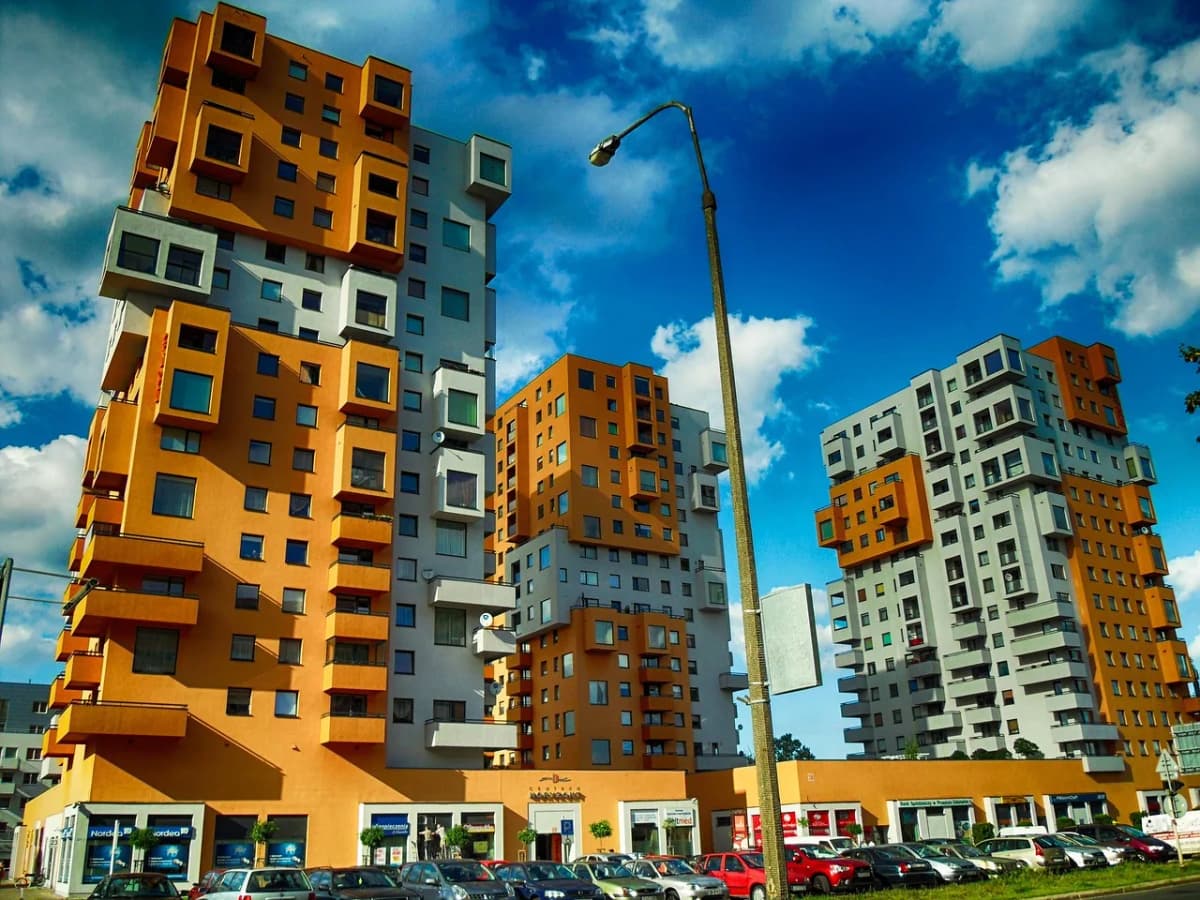
Three-room family apartments generally run 40–60% more than the 1-bedroom figures above, and lease terms in Poland typically require a deposit equal to one month's rent, sometimes two, paid up front alongside the first month.
Groceries and Eating Out
Home cooking is dramatically cheaper than eating out in Poland, more so than in many Western countries — a gap worth planning around if you're budgeting closely.
| Item | Typical Price |
|---|---|
| Milk (1 liter) | 3.97 zł |
| Eggs (dozen, large) | 13.54 zł |
| White bread (500g loaf) | 5.11 zł |
| Meal at an inexpensive restaurant | 40 zł |
| Cappuccino | 14.23 zł |
| Monthly groceries, one person | 1,200–1,600 zł |
| Monthly groceries, family of three | 2,400–3,200 zł |

Supermarket chains like Biedronka, Lidl, and Żabka cover most day-to-day shopping, and prices at discount chains like Biedronka tend to run noticeably below the average restaurant and specialty-store figures above. If you're new to Polish grocery culture, our guide to what Biedronka actually is covers how the country's biggest supermarket chain works day to day.
Utilities, Internet, and Phone Plans
Utility costs vary more by season than by city — winter heating bills in Poland can run considerably higher than the summer average shown here.
| Utility | Typical Monthly Cost |
|---|---|
| Basic utilities, 85m² apartment (electricity, heating, water, garbage) | 1,170–1,280 zł |
| Broadband internet (60+ Mbps) | 68 zł |
| Mobile phone plan (with data) | 30–60 zł |
| Combined internet + mobile bundle | 80–120 zł |
Most rental listings distinguish between czynsz (the fixed building/administrative fee, often covering water and building maintenance) and separate metered bills for electricity and gas — worth clarifying before signing a lease, since "rent" in a listing sometimes excludes czynsz entirely.
Transport Costs
Public transport in Poland is inexpensive and generally reliable in every major city, which keeps overall transport costs low compared to countries where a car is closer to a necessity.
| Transport Option | Typical Cost |
|---|---|
| Single bus/tram ticket | 4–5 zł |
| Monthly public transport pass | 110–190 zł (varies by city) |
| Intercity train (e.g., Warsaw–Kraków) | 60–150 zł depending on speed and class |
| Gasoline (1 liter) | ~6.30 zł |
| Taxi/rideshare, base fare + per km | ~8 zł + ~3 zł/km |
Warsaw, Kraków, and most mid-sized cities have dense enough tram and bus networks that owning a car isn't necessary for daily life, which is one of the bigger hidden savings compared to car-dependent cities elsewhere.
Renting vs. Buying Property in Poland
Most newcomers rent for at least their first year or two, but property prices are worth knowing even if buying isn't an immediate plan. A square meter in Warsaw's city centre typically sells for 16,000-20,000 zł, while the same square meter in Kraków runs 14,000-18,000 zł, and considerably less again in smaller cities like Łódź.
For context, a 50m² apartment in central Warsaw might cost 800,000-1,000,000 zł to buy outright, compared to roughly 4,600 zł a month to rent an equivalent space — meaning it typically takes well over a decade of rent payments to match a purchase price, which is part of why renting remains the default choice for anyone not planning to settle permanently. Mortgages are available to foreigners with a stable Polish income and residency status, though the approval process and required down payment (often 20% or more) are worth researching separately before committing to a purchase.
Healthcare Costs in Poland
Healthcare is one of the categories where Poland's cost of living genuinely surprises newcomers coming from countries with expensive private insurance systems.
| Healthcare Option | Typical Cost |
|---|---|
| NFZ public healthcare (via employment contributions) | Deducted automatically from salary, no separate premium |
| Private health insurance (individual, basic plan) | 60-150 zł/month |
| GP visit at a private clinic | 100-200 zł |
| Specialist visit at a private clinic | 150-350 zł |
| Dental checkup | 100-200 zł |
Anyone legally employed in Poland is automatically enrolled in the NFZ (National Health Fund) through payroll contributions, which covers public hospitals and clinics at no additional monthly cost beyond what's already withheld from a paycheck. Wait times in the public system can be long for non-urgent specialist care, which is why many residents — Polish and foreign alike — also carry a private plan for faster access, even though it's not strictly required.
Cost of Living in Poland for Students
Student budgets look meaningfully different from the working-adult numbers above, mostly because of shared housing and student discounts on transport and entertainment.
| Expense | Typical Student Monthly Cost |
|---|---|
| Shared apartment or dorm room | 800-1,500 zł |
| Groceries | 800-1,100 zł |
| Discounted student transport pass | 55-95 zł |
| Entertainment and going out | 300-500 zł |
| Total student budget | ~2,000-3,200 zł |
Polish public universities charge little to no tuition for EU/EEA students, and international student discounts (legitymacja studencka) apply to trains, museums, and cinemas nationwide, which meaningfully lowers the day-to-day cost of living in Poland for anyone still studying compared to the working-adult figures above.

Average Salary in Poland by City
Understanding local salaries matters as much as understanding costs — a rent figure alone doesn't tell you much without knowing what people actually earn to pay it.
| City | Average Net Monthly Salary |
|---|---|
| Warsaw | 8,322 zł |
| Kraków | 7,158 zł |
| Łódź | 6,127 zł |
| National average | 6,293 zł |
Salaries in Warsaw run meaningfully higher than the national average, which partly offsets the capital's steeper rent — the rent-to-income ratio in Warsaw isn't quite as extreme as the raw rent numbers alone might suggest. Poland's minimum wage, for comparison, sits well below these averages and is set nationally by the government each year, applying the same across all cities regardless of local cost differences.
Poland vs. Western Europe and the U.S.
For anyone comparing Poland against a move from a Western country, the Numbeo Cost of Living Index by Country gives a useful standardized comparison, where New York City is set as the baseline of 100.
| Country | Cost of Living Index | Rent Index | Cost of Living + Rent Index |
|---|---|---|---|
| Poland | 47.3 | 18.4 | 34.4 |
| United Kingdom | 67.8 | 32.1 | 51.9 |
| Germany | 68.7 | 24.6 | 49.0 |
| United States | 68.8 | 40.7 | 56.3 |
In practical terms, Poland runs roughly 30-40% cheaper overall than the UK, Germany, or the U.S. once rent is factored in, and rent specifically is less than half the cost of renting in the United States. That gap is exactly why Poland has become such a common relocation destination for remote workers and retirees on a fixed foreign income.
Useful Polish Words for Managing Costs and Bills
Once you're actually paying rent and bills in Poland rather than just reading about it, a small working vocabulary makes day-to-day admin far less stressful.
| Polish | English | Pronunciation Note |
|---|---|---|
| czynsz | building/admin fee (often separate from rent) | chinsh |
| rachunek | bill / receipt | rah-KHOO-nek |
| kaucja | deposit | KOWTS-yah |
| wynajem | rental (as in, renting an apartment) | vih-NAH-yem |
| media | utilities (electricity, water, gas) | MEH-dyah |
| pensja / wypłata | salary / paycheck | PEN-syah / vih-PWAH-tah |
| oszczędności | savings | osh-chen-DNOSH-chee |
| przelew | bank transfer | PSHEH-lev |
Common Mistakes When Budgeting for Poland
| Mistake | Why It's a Problem | Do This Instead |
|---|---|---|
| Assuming "rent" in a listing includes everything | Czynsz and metered utilities are often billed separately | Ask specifically what's included before signing |
| Using Warsaw prices to budget for the whole country | Warsaw runs 25-60% higher than smaller cities | Check city-specific numbers, not national headlines |
| Ignoring winter heating costs | Utility bills can spike well above the summer average shown in most guides | Budget extra for November through March |
| Comparing raw PLN prices to home-currency prices without context | Feels expensive or cheap depending on exchange-rate mood, not real purchasing power | Compare against local salaries, not just currency conversion |
| Skipping the deposit in your moving budget | Most leases require 1-2 months' rent upfront as a deposit | Set aside double your expected monthly rent before apartment hunting |
Scenario: Asking About Costs When Apartment Hunting
You: Ile kosztuje czynsz? (How much does the czynsz cost?) Landlord: Czynsz to sześćset złotych, plus media. (The czynsz is six hundred złoty, plus utilities.) You: Czy kaucja jest wymagana? (Is a deposit required?) Landlord: Tak, jeden miesiąc z góry. (Yes, one month upfront.) You: Rozumiem, dziękuję. (I understand, thank you.)
That short exchange covers two of the most important questions to ask before signing anything. If you're still building up the vocabulary for conversations like this one, our guide to essential Polish phrases for travel and everyday life covers dozens of similarly practical situational tables.

Frequently Asked Questions
Is Poland cheap to live in? Compared to Western Europe and the U.S., yes — Poland's overall cost of living index is roughly 30-40% lower than the UK, Germany, or the United States, though Warsaw specifically is noticeably pricier than the rest of the country.
What is a good salary in Poland? The national average net salary is around 6,300 zł a month, with Warsaw running closer to 8,300 zł. Anything meaningfully above your city's average leaves comfortable room for savings.
Is it cheaper to live in Kraków or Warsaw? Kraków, consistently — rent runs 20-25% lower than Warsaw, though salaries are somewhat lower there too, so the gap in disposable income is smaller than the rent difference alone suggests.
How much money do I need to live comfortably in Poland? For a single person, 4,000-6,000 zł a month covers a modest but comfortable lifestyle outside Warsaw; Warsaw itself typically needs closer to 5,500-9,000 zł for the same standard of living.
Does rent in Poland include utilities? Usually not entirely — the czynsz (building fee) sometimes includes water, but electricity, gas, and internet are almost always billed separately and metered.
Is healthcare free in Poland? It's free at the point of use for anyone enrolled in the NFZ through employment contributions, though waiting times for non-urgent specialists can be long enough that many residents also pay for a modest private plan on top.
Once the budgeting numbers make sense, the next hurdle for most newcomers is the paperwork — our complete guide to getting a PESEL number in Poland walks through the exact steps and the Polish phrases you'll need at the office. And if you're still building your Polish from scratch before the move, our free guide to learning Polish online is a good place to start, including PolishPal's own free A0 to A1 course.