Polish Holidays and Traditions: A Cultural Guide
Poland's calendar is rich with celebrations that blend Catholic tradition, national pride, and deeply rooted folk customs. Understanding these holidays gives you insight into what matters most to Polish people — family, remembrance, and joyful togetherness.
Wigilia — Christmas Eve
Wigilia (December 24) is the most important day of the Polish year, even more significant than Christmas Day itself. It's an intensely family-centered evening built around a formal supper.
Key traditions:
- 12 dishes, no meat. The traditional Wigilia supper features twelve meatless dishes, symbolizing the twelve apostles. Common dishes include barszcz z uszkami (beetroot soup with small dumplings), pierogi z kapustą i grzybami (sauerkraut and mushroom pierogi), fried carp (karp), and kutia (wheat berry pudding).
- Breaking the opłatek. Before the meal, family members break a thin wafer (opłatek) with each other, sharing wishes for the coming year. This is an emotional moment — expect hugs and sometimes tears.
- An extra place setting. An empty seat is always set at the table for an unexpected guest or a loved one who cannot be present.
- Gifts under the tree. After supper, the family opens presents. Polish children believe gifts come from Święty Mikołaj (Saint Nicholas) or Gwiazdka (the little star).
Vocabulary: Wesołych Świąt! (Merry Christmas!), Boże Narodzenie (Christmas), choinka (Christmas tree), kolędy (Christmas carols)
Easter (Wielkanoc)
Easter is the second major holiday, celebrated with just as much food and family time as Christmas. It spans several days.
Holy Saturday — Święconka
On the Saturday before Easter, families bring baskets of food to church to be blessed. The basket (koszyczek) typically contains:
- Bread, eggs, salt, sausage, horseradish, and a small lamb figure made of sugar or butter
Easter Sunday — Śniadanie Wielkanocne
Easter Sunday starts with a festive breakfast featuring all the blessed foods plus cakes, salads, and żurek (sour rye soup). The table is abundant — this is not a modest meal.
Easter Monday — Śmigus-Dyngus
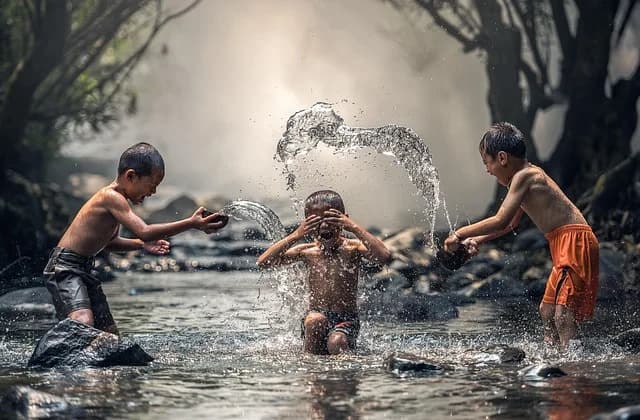
Also called Lany Poniedziałek (Wet Monday), this is one of Poland's most unique traditions. People splash each other with water — from cups, buckets, water guns, and even fire hoses in some towns. Historically, boys would splash girls they liked. Today, everyone is fair game.
Fair warning: If you're in Poland on Easter Monday, you will get wet. Dress accordingly!
Imieniny — Name Days
In Poland, your imieniny (name day) can be as important as your birthday — sometimes more so, especially for older generations. Every day of the calendar is assigned to specific names. If your name is Anna, your name day is July 26. If it's Jan, it's June 24.
The celebration is simple: wishes (Wszystkiego najlepszego!), flowers, sometimes a small gathering with cake and coffee. It's common to know someone's name day and send a quick message: Wszystkiego najlepszego z okazji imienin! (All the best on your name day!)
Wszystkich Świętych — All Saints' Day (November 1)
This is one of the most visually striking days in Poland. On November 1, Poles visit cemeteries to honor deceased family members. Graves are cleaned, decorated with flowers (mainly chrysanthemums), and lit with thousands of candles (znicze).
The effect at dusk is extraordinary — entire cemeteries glow with candlelight. It's a solemn, reflective day. Even people who aren't religious participate. Schools and most workplaces are closed.
Cultural note: All Saints' Day is about remembrance and respect, not fear. It's considered one of the most beautiful Polish traditions. Visiting a cemetery on this evening is a genuinely moving experience.
Święto Niepodległości — Independence Day (November 11)
Poland's Independence Day celebrates the restoration of Polish sovereignty on November 11, 1918, after 123 years of partition by Russia, Prussia, and Austria. For Poles, this date represents resilience and national identity.
The day features:
- Official ceremonies with the president laying wreaths at the Tomb of the Unknown Soldier in Warsaw
- Patriotic concerts and exhibitions
- Marches and public gatherings in major cities
- White-and-red flags (biało-czerwone) displayed on buildings and balconies
Useful phrase: Polska odzyskała niepodległość w 1918 roku. (Poland regained independence in 1918.)
Other Celebrations Worth Knowing
Tłusty Czwartek — Fat Thursday
The last Thursday before Lent. Poles eat pączki (filled doughnuts, usually with rose jam) in enormous quantities. Bakeries have lines out the door. The average Pole eats 2-3 pączki on this day — and no one's counting.
Andrzejki — St. Andrew's Eve (November 29)
A fortune-telling night, especially popular among young people. The most famous tradition involves pouring melted wax through a key into cold water and interpreting the shapes. It's light-hearted and fun — a party with a mystical twist.
Sylwester — New Year's Eve
Polish New Year's Eve celebrations are lively: outdoor concerts, fireworks, champagne, and dancing. The biggest public celebrations happen in city centers. When midnight strikes, expect Szczęśliwego Nowego Roku! (Happy New Year!) from every direction.
Why This Matters for Language Learners
Polish holidays aren't just dates on a calendar — they're windows into what Poles value. Family, tradition, remembrance, and community run through every celebration. When you learn about Wigilia or Wszystkich Świętych, you're not just learning customs. You're learning the emotional vocabulary of Polish life.
Bring up any of these holidays in conversation with a Polish person, and you'll see their face light up. It shows that you care about their culture, not just their language.
Tip: Wishing someone well during a holiday is always appreciated. A simple Wesołych Świąt! at Christmas or Smacznego pączka! on Fat Thursday goes a long way.
Learn the Language of Polish Traditions
Know what to say during Polish celebrations:
Introductions & Basic Phrases Food, Drinks & Ordering Family & Possessives