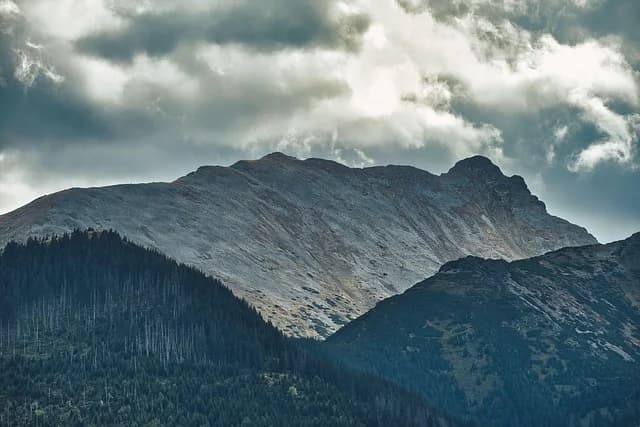
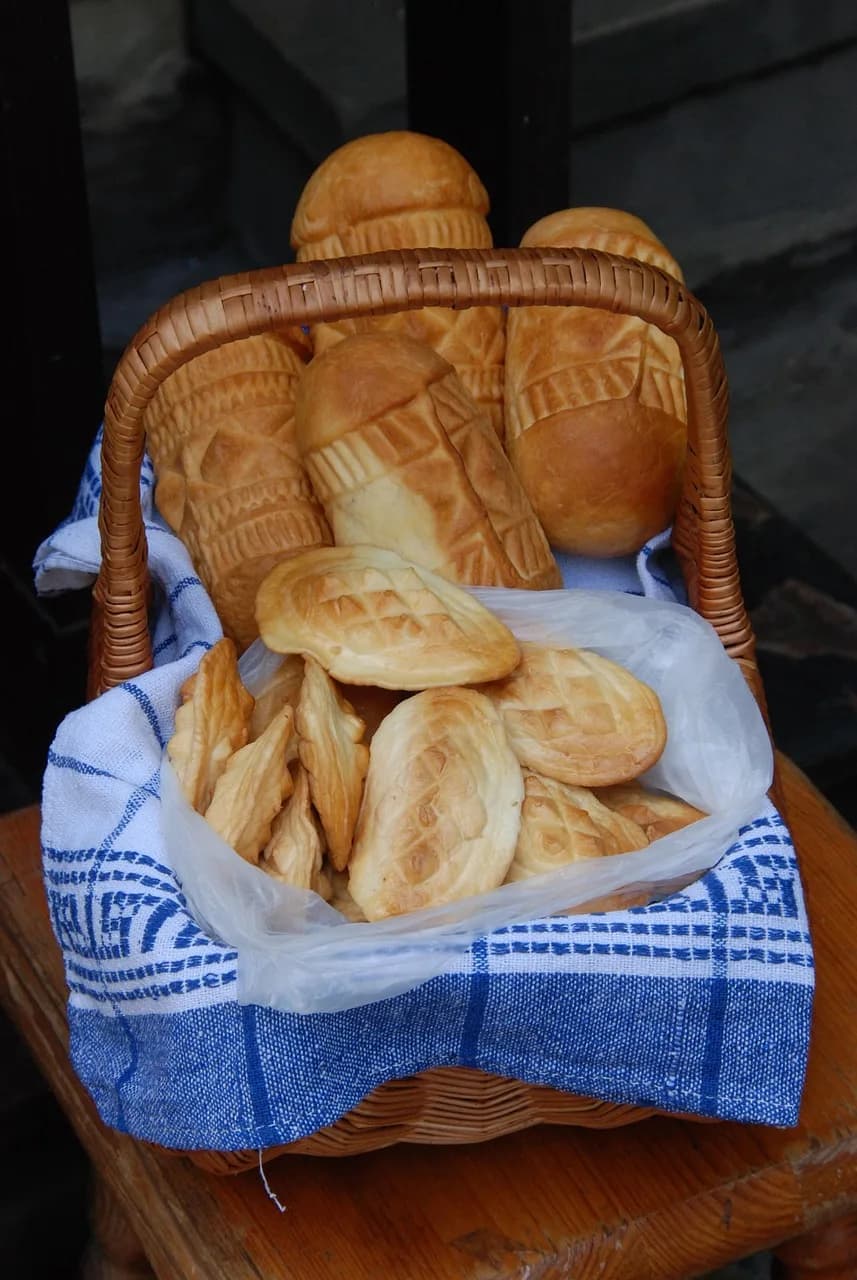
So what is oscypek, exactly? It's a hard, cold-smoked cheese made from salted sheep's milk, produced by hand in the Tatra Mountains of southern Poland using methods that haven't changed much since Vlach shepherds carried them over from the Balkans in the 15th century. If you've walked down Krupówki Street in Zakopane and seen golden, spindle-shaped cheeses stacked on wooden stalls, or eaten a slice of grilled cheese topped with cranberry jam at a Christmas market, you've already met it.
Oscypek isn't just a regional snack. It was the first Polish food product ever granted Protected Designation of Origin (PDO) status by the European Union, which means the name is legally protected — only cheese made in specific highland counties, from at least 60% sheep's milk, using the traditional hand-molded and smoked method, can be sold as oscypek. Everything else is an imitation.
This guide covers what oscypek is made from, how it's produced from curd to smokehouse, where the tradition comes from, what it tastes like, and how to actually find the real thing instead of a mass-produced knockoff.
What Is Oscypek Cheese Made From
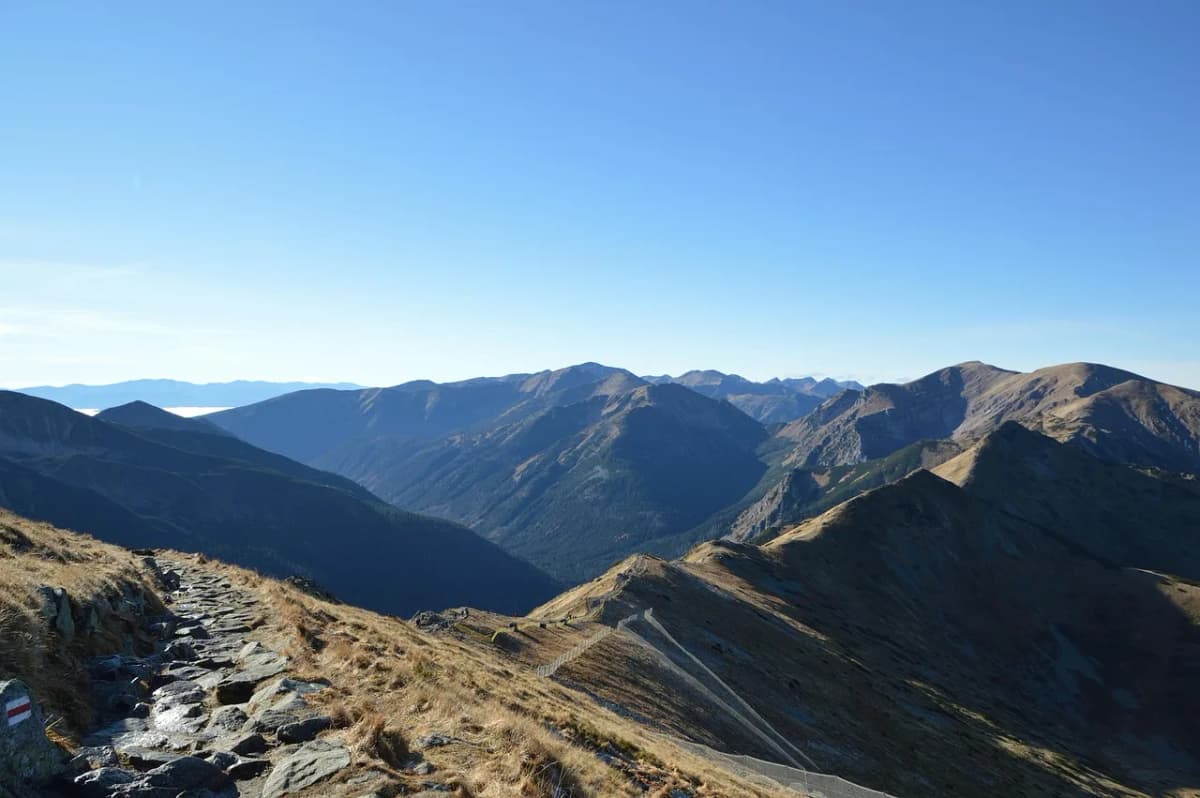
At its core, oscypek is a sheep's milk cheese, and that's non-negotiable under its PDO rules. Polish law requires that oscypek contain at least 60% milk from the Polish Mountain Sheep (owca górska), a hardy breed that has grazed the Tatra foothills for centuries. The remaining share can come from the Polish Red Cow, a similarly traditional highland breed, but never enough to dilute the sheep's-milk character that gives the cheese its flavor.
This isn't a small technicality. Sheep's milk has roughly double the fat and protein content of cow's milk, which is exactly why oscypek can be smoked and aged without turning rubbery or bland. It also means production is seasonal — real oscypek can only be made between late April and early October, when the sheep are out on fresh mountain pasture and producing milk. A block of "oscypek" sold in December wasn't made that week; it was made months earlier and kept in cold storage, or it isn't genuine oscypek at all.
The Polish Mountain Sheep Breed
The Polish Mountain Sheep is a small, wiry, cold-hardy breed built for grazing steep highland meadows rather than high milk yield. Shepherds — known locally as bacowie, with the senior shepherd called a baca — still move flocks up to mountain huts (szałasy) each spring in a seasonal migration called redyk, milking by hand and making cheese on-site the same way their grandfathers did.
The 60% Rule and Why It Matters
The 60% sheep's milk threshold is written directly into the EU's PDO specification for oscypek, along with the production region, the shape, the weight range, and the smoking method. A cheese made with less sheep's milk, made outside the designated counties, or made by machine instead of hand can legally be sold — but not as "oscypek." This rule is the main thing standing between the real product and the far more common shop-bought imitation labeled "smoked highland cheese," which is often just regular cow's milk cheese shaped to look similar.
How Oscypek Cheese Is Made, From Curd to Smokehouse
Understanding what oscypek actually is means understanding how it's built, because every step — the shaping, the brining, the smoking — is dictated by tradition and, since 2008, by law.
Curdling and Shaping
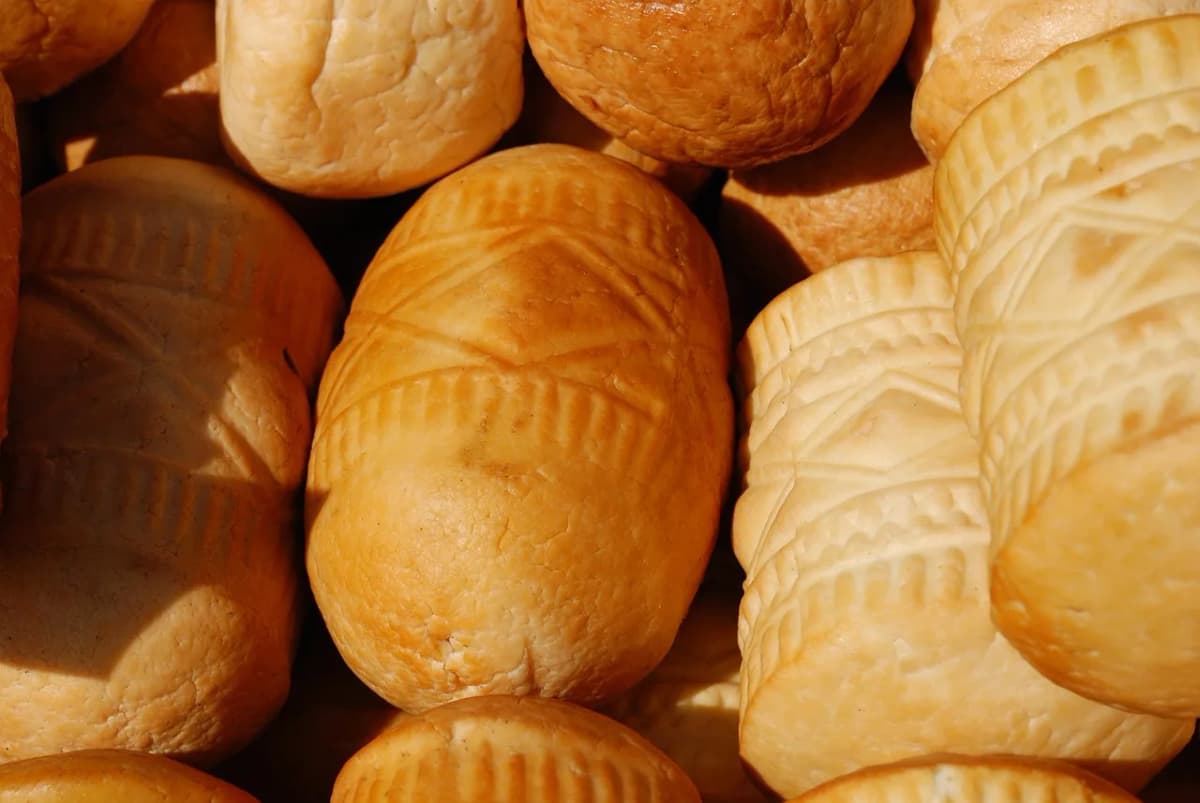
Fresh, unpasteurized sheep's milk is warmed to around 34–36°C and set with natural rennet, traditionally sourced from a young goat or lamb's stomach. Within about 30–40 minutes the milk curdles, and the curds are cut and worked with a wooden tool. The cheesemaker then kneads and stretches the curd mass by hand — closer to how mozzarella is worked than how a wheel of cheddar is pressed — before packing it into a carved wooden mold called an oscypiorka.
These molds are what give oscypek its unmistakable look: a tapered, spindle-like shape roughly 17–23 cm long and weighing between 600 and 800 grams, with a geometric pattern of diamonds, zigzags, and lines pressed into the rind. Every shepherd's mold carves a slightly different pattern, which historically let buyers identify whose cheese they were getting.
Brining
Once shaped, the cheese is submerged in a salt brine for one to two nights. This step seasons the cheese throughout, firms up the rind, and starts the preservation process that lets oscypek survive weeks of storage without refrigeration — a practical necessity for shepherds living in mountain huts with no electricity.
Cold-Smoking Over Spruce and Juniper
The final step is what turns a salted sheep's milk cheese into oscypek specifically: cold-smoking over a slow fire of spruce, pine, or juniper wood, sometimes for up to two weeks depending on the producer. This is done at a low enough temperature that the cheese doesn't melt or cook, just gradually takes on a deep amber color, a firm, slightly rubbery texture, and that distinctive campfire aroma. A cheese that skips this step, no matter how it's shaped, isn't oscypek.
The History Behind What Is Oscypek Cheese in Poland
To really answer what is oscypek, you have to go back roughly 600 years, because this isn't a modern artisanal product — it's one of the oldest continuously made foods in the country.
Vlach Shepherds and the 15th Century Origins
Cheesemaking in the Tatra region is documented as far back as 1416, in records from the village of Ochotnica. The technique itself is generally credited to Vlach shepherds, semi-nomadic pastoralists who migrated north from the Balkans and Carpathian regions starting in the 14th and 15th centuries, bringing sheep-herding and cheese-smoking traditions with them. Local górale (highlanders) in the Podhale region adopted and adapted these methods over generations, eventually developing the carved-mold shaping that makes oscypek visually distinct from similar Balkan and Carpathian sheep cheeses. The first known written recipe specifically for this style of cheese dates to 1748, from the Żywiec area further west.
Becoming Poland's First EU-Protected Food
In February 2008, oscypek became the first Polish food product to receive Protected Designation of Origin status from the European Union, formalized under Commission Regulation (EC) No 127/2008. For highland communities, this was more than a marketing win — it legally locked in the traditional recipe, the geographic boundaries of production (Tatra County, Nowy Targ County, parts of Nowy Sącz County, and sections of the Beskids), and the requirement that the cheese be made by hand. It's the same kind of protection that safeguards Champagne or Parmigiano-Reggiano, and it means "oscypek" can't legally be slapped on a factory-made cheese from outside the region, no matter how similar it looks.
What Does Oscypek Taste Like, and How Is It Eaten
If you're still wondering what is oscypek supposed to taste like underneath all that smoke, the answer starts with texture. Oscypek has a firm, dense, slightly springy texture — closer to a well-aged provolone than a soft farmhouse cheese — with a salty, smoky flavor and a faint sheep's-milk tang underneath. The rind, which takes on most of the smoke, is noticeably stronger and more savory than the paler interior.
Grilled Oscypek z Żurawiną
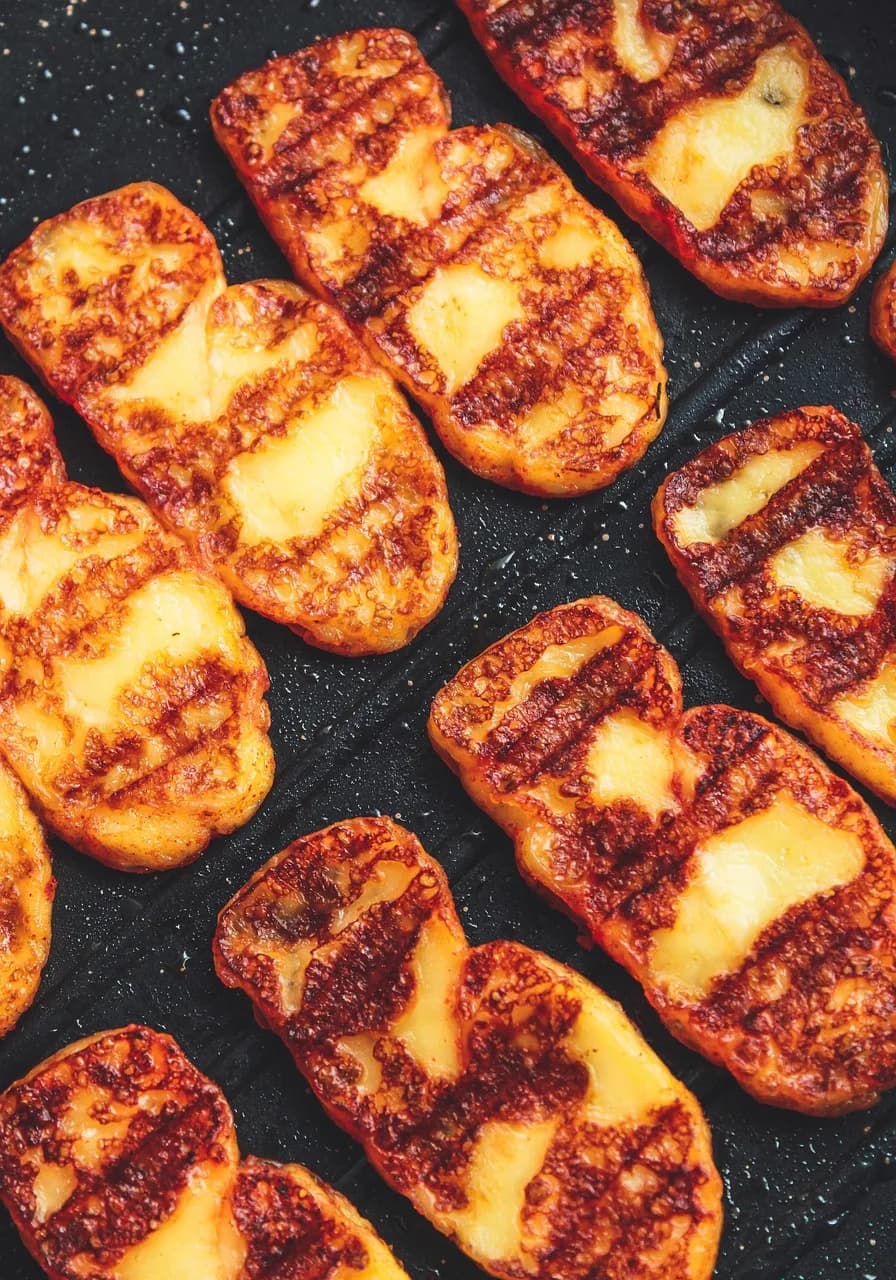
The single most iconic way to eat oscypek is grillowany, z żurawiną — grilled and served with cranberry sauce. Sliced or whole, the cheese is pan-fried or grilled until the exterior blisters and softens slightly while the inside stays firm, then topped with a spoonful of tart cranberry jam. The sweetness cuts through the smoke and salt in a way that's become the defining flavor pairing of Polish mountain cuisine, sold everywhere from Zakopane street stalls to Kraków's Christmas markets.
Cold Snack From a Street Stall
Just as commonly, oscypek is eaten cold and unadorned, sliced thin off the spindle and sold straight from a highlander's market stand, sometimes alongside a shot of żętyca (whey drink) or a glass of herbal liquor. Locals often describe it as a food best eaten standing outdoors, ideally somewhere with a mountain view.
Redykołka and Other Polish Smoked Cheese Cousins
Oscypek isn't the only Polish smoked cheese to come out of Podhale, and knowing the difference matters if you're trying to buy the real thing. Redykołka is essentially a miniature oscypek — same milk, same smoking process, same carved-mold shaping — but formed into small, individual shapes (often stylized as pinecones, hearts, or animals) meant to be eaten as a single portion rather than sliced from a larger loaf. It received its own separate PDO protection in 2011.
Bundz and bryndza are related but distinct: bundz is a fresh, unsmoked sheep's cheese, soft and mild, essentially the unsmoked precursor in the same production chain, while bryndza is a spreadable cheese made by salting and fermenting bundz. Neither is smoked, and neither has oscypek's firm, aged texture — they're better thought of as oscypek's softer relatives than substitutes for it.
Where to Find the Real Highland Cheese Poland Protects by Law
If you're trying to buy authentic oscypek rather than a cow's-milk imitation, where you buy it matters almost as much as what it looks like.
Zakopane's Krupówki Street and the Oscypek Museum
Zakopane, the main town of the Tatra highlands, is the easiest place to find the genuine article — highland vendors line Krupówki Street with wooden stalls selling oscypek straight from the producer, often the same family that raised the sheep. For anyone visiting outside the April–October production season, Zakopane also has a dedicated Oscypek Museum where visitors can watch cheesemaking demonstrations and see the traditional wooden molds up close.
Spotting Fakes Outside the PDO Zone
Outside the highland region, "oscypek-style" cheese sold in regular supermarkets is frequently made from cow's milk, machine-shaped, and lightly smoked with liquid smoke flavoring rather than real wood smoke — legally, it usually can't even be labeled "oscypek" and instead appears as "sery wędzone" (smoked cheeses) or something similarly generic. If a label says oscypek but the price feels too low for a hand-made, seasonal, PDO-protected product, that's usually the tell.
Common Mistakes People Make About Oscypek
A few misconceptions come up constantly when people first ask what is oscypek actually about. First, it's not a "type" of cheese in the generic sense — the name is legally restricted, so a cow's milk cheese shaped like oscypek and sold under that name outside the PDO rules is technically mislabeled. Second, it's not eaten melted the way you'd melt cheddar on a burger; grilling firms and blisters it rather than turning it into a liquid topping.
Third, people sometimes assume it's available year-round fresh from the source — in reality, the hand-made, in-season product is only produced roughly six months a year, and anything sold outside that window has been stored, not freshly made. Finally, oscypek and its smaller cousin redykołka are often confused for the same product; they share a process but not a size, shape, or PDO registration.
Table of Oscypek Cheese Facts
| Fact | Detail |
|---|---|
| Type of cheese | Hard, cold-smoked sheep's milk cheese |
| Milk requirement | Minimum 60% Polish Mountain Sheep milk |
| Shape | Spindle-shaped, carved decorative pattern |
| Weight | 600–800 grams |
| Length | 17–23 cm |
| Production region | Podhale (Tatra County, Nowy Targ County), parts of Nowy Sącz County, sections of the Beskids |
| Production season | Late April to early October |
| PDO status | Granted 14 February 2008; Poland's first PDO food product |
| Smoking method | Cold-smoked over spruce, pine, or juniper wood, up to 14 days |
| Common serving style | Grilled with cranberry jam (grillowany z żurawiną), or sliced cold |
| Related products | Redykołka (miniature version, own PDO since 2011), bundz, bryndza |
| Where to buy authentic | Highland market stalls in Zakopane, Podhale region producers |
Frequently Asked Questions
Is oscypek made from cow's milk or sheep's milk? Primarily sheep's milk — at least 60% by law — with a smaller allowance for Polish Red Cow milk. It cannot be made mostly or entirely from cow's milk and still be legally called oscypek.
Can you eat oscypek raw, or does it need to be cooked? Both are common. It's frequently sliced and eaten cold straight from the mold, and just as often grilled or pan-fried until the surface blisters, then served with cranberry sauce.
Why is oscypek so expensive compared to other cheese? It's entirely hand-made, seasonal (only produced roughly six months a year), and legally restricted to a small geographic region using traditional methods, none of which scale the way industrial cheesemaking does. The PDO protection that guarantees authenticity also guarantees it can't be mass-produced cheaply.
Is oscypek the same as smoked cheese sold outside Poland? No. Similar smoked sheep or goat cheeses exist across the Balkans and Carpathians, and generic "smoked highland cheese" is sold well beyond Podhale, but only cheese made within the designated PDO region, from the required milk ratio, using the traditional mold-and-smoke process, can legally be called oscypek.
What does "oscypek" actually mean? The name derives from the Polish verb oszczypywać, roughly "to pinch off" or "to nip," referring to how the curd is worked and shaped by hand during production.
Is oscypek available outside the sheep-milking season? Fresh, newly made oscypek is only produced from late April to early October. Cheese sold outside that window has been stored rather than freshly made, and anything labeled oscypek sold in the depths of winter is worth questioning.
Does oscypek contain lactose, and is it suitable for people with dairy sensitivities? It's a real dairy product and does contain lactose, though like many aged, cultured cheeses, the amount is reduced compared to fresh milk. It isn't a substitute for lactose-free cheese and isn't suitable for anyone with a dairy allergy.
Next time you're in Poland's southern highlands — or just standing at a Christmas market stall wondering what that grilled cheese with the strange spindle shape is — you'll know exactly what is oscypek, why it costs more than the cheese next to it, and why the real thing only comes from one small corner of the country. If you're building out your Polish food vocabulary, the same regional pride shows up in dishes like pierogi, and it's worth reading more broadly about how food shapes Polish culture far beyond the highlands.