Learning how to pronounce Polish cities is one of the first challenges travelers face when planning a trip to Poland. Names like Wrocław, Łódź, and Szczecin can look intimidating on a map — but here's the secret: Polish is a completely phonetic language. Once you learn a handful of letter rules, you can pronounce any Polish word correctly, even if you've never heard it spoken aloud.
This guide covers Poland's top tourist destinations with a simple, consistent phonetic spelling for each city name. You'll learn the key pronunciation rules, get to know the country's must-see cities and towns, and walk away ready to say every name with confidence. Whether you're planning a weekend in Kraków, a Baltic coast trip to Gdańsk, or a mountain escape to Zakopane, this guide has you covered.
We'll start with a quick primer on the Polish letters that trip up most English speakers, then dive into seven essential cities — each with its own mini pronunciation lesson and a taste of what makes it worth visiting.
Decode These Polish Letters First — The Key to How to Pronounce Polish Cities
Before we name cities, let's look at the letters that look different from English. How to pronounce Polish cities starts with understanding these five key letter rules — once you know them, any Polish city name becomes readable. Polish uses the Latin alphabet but adds diacritical marks (dots, strokes, tails) that change how a letter sounds. This mini polish letters pronunciation guide covers the ones that appear most often in city names:
Ł ł — This is the big one. It sounds like an English W, never like an L. So Wrocław ends with "wahf," not "law," and Łódź starts with "Wood," not "Lod."
W w — Polish W sounds like English V. Warszawa is "var-SHAH-vah," not "war-SHAW-vah."
J j — Always like English Y. Kraków's "ja" in some contexts sounds like "ya."
C c — Always ts, like "cats" without the vowel. An independent C is rare in city names — it usually appears in combinations.
CZ cz — Ch as in "church." Szczecin contains this sound in the middle.
SZ sz — Sh as in "ship." Combined with CZ you get the famous SZCZ cluster: sh + ch.
RZ rz — Zh as in "Zhivago" or the "s" in "pleasure." It sounds like the French J.
Ś ś / Ć ć / Ń ń / Ź ź — These are soft (palatalized) versions of SZ, CZ, N, and Z. The little accent mark tells you to raise the middle of your tongue toward the roof of your mouth. Ń sounds like "ny" in "canyon." Ś and Ć are soft versions of sh and ch.
Ó ó — Sounds just like U. Always.
Ą ą / Ę ę — Nasal vowels. Ą is like "om" (as in "pronom") and Ę is like "em" (as in "empress"), but they're subtle and often barely pronounced in everyday speech, especially at the end of a word.
That's genuinely most of what you need. The beauty of Polish is that once you know these rules, reading a city name out loud is completely predictable — there are no silent letters and no exceptions like English "rough" vs. "dough."
Polish Phonetics & Alphabet — A Complete GuideThe Big Five Tourist Hubs
These are the cities that 9 out of 10 visitors to Poland will set foot in. Each one has a distinct pronunciation that is worth getting right. This section is the heart of any guide on how to pronounce Polish cities — once you master these five, you'll have the confidence to read any Polish destination name on a map.
Kraków (KRAH-koof)
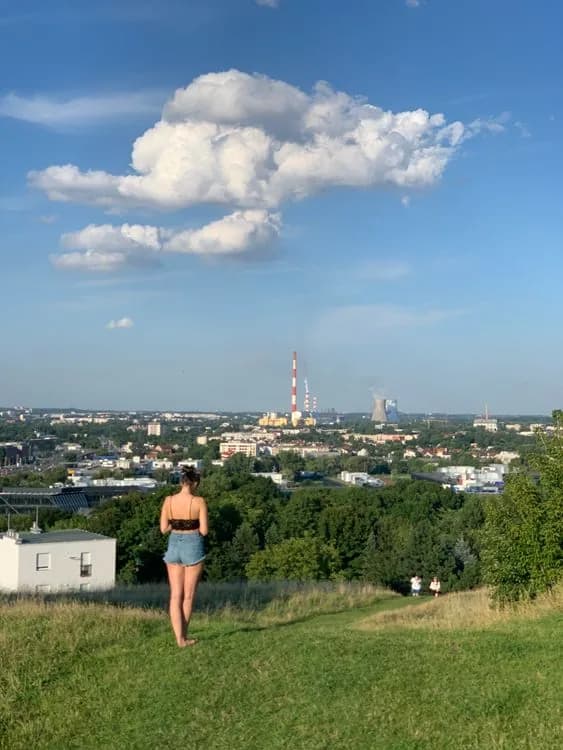
Poland's former royal capital and its most visited city. If you're learning how to pronounce Polish cities for an upcoming trip, this is the most useful one to get right — Kraków attracted over 14 million visitors in 2024. The name is often mangled by English speakers who read it as "Krak-ow" (like "cow"), but the correct pronunciation is KRAH-koof.
Breakdown:
- Kra — "KRAH," like the first syllable of "Kramer" but with a bright A.
- ków — "koof," rhymes with "roof." The ó is pronounced like a plain u, and w at the end of a word sounds like f (a standard Polish devoicing rule).
What to see: The Main Square (Rynek Główny) is Europe's largest medieval town square. Wawel Castle sits on a hill above the Vistula, and the historic Jewish quarter of Kazimierz is full of atmospheric streets, cafes, and galleries. The Wieliczka Salt Mine, a UNESCO World Heritage site, is an easy day trip.
Kraków is also the gateway to southern Poland. From here you can easily reach Zakopane and the Tatra Mountains.
Warszawa (var-SHAH-vah) — Warsaw in English
Most English speakers know this city as Warsaw, but the Polish name is Warszawa. If you want to impress locals, say var-SHAH-vah.
Breakdown:
- War — actually "Var," because w = v in Polish. "Var" rhymes with "car."
- sza — "SHAH," the sz = sh rule in action.
- wa — "vah," again with the w = v rule. The final a is bright and short.
What to see: Warsaw's Old Town is a UNESCO World Heritage site — painstakingly rebuilt after World War II using 18th-century paintings as blueprints. The Royal Castle, Wilanów Palace, and the POLIN Museum of the History of Polish Jews are world-class. For a panoramic view, the Palace of Culture and Science has a terrace on the 30th floor.
Warsaw has a vibrant food scene and some of the best museums in Central Europe. If you're interested in Polish history, it's an essential stop.
Gdańsk (guh-DAINSK)
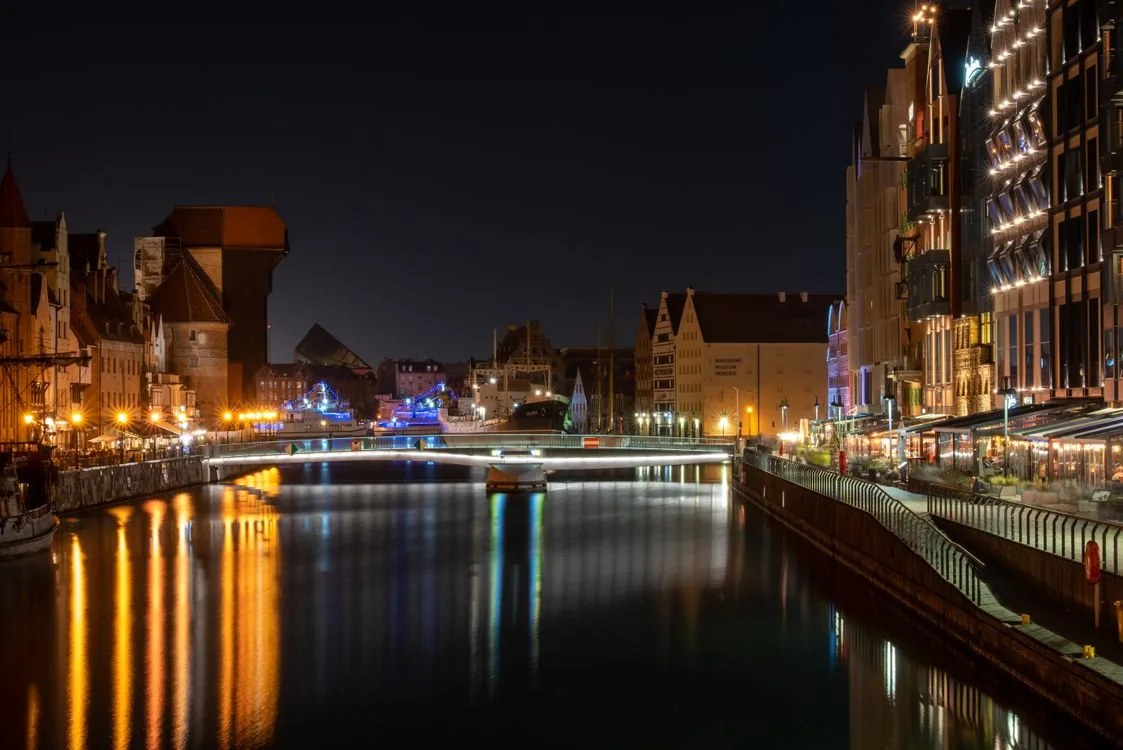
Gdańsk is the Baltic coast's crown jewel. The name features two Polish sounds that English doesn't have: the soft ń and the nasal ą.
guh-DAINSK is the closest English approximation.
Breakdown:
- G — hard G, like "go."
- dań — "DAIN" but with a soft ń at the end. The ń is like adding a very subtle "y" sound, similar to the "ny" in "canyon." The ą is a nasal "on" sound that in practice comes out like "on" or "own" for English speakers.
- sk — plain "sk," like "skip."
A common approximation you'll hear from tour guides is "g-dye-nsk" (one syllable). Don't overthink it — guh-DAINSK with a soft finish on the ń will serve you well.
What to see: The Long Market (Długi Targ) is one of the most beautiful streets in Europe, lined with colorful townhouses. St. Mary's Church is the largest brick church in the world. The European Solidarity Centre tells the story of the trade union movement that helped bring down communism in Eastern Europe. Gdańsk is also the start of the Tricity area, which includes the beach resort of Sopot and the former port of Gdynia — all connected by train.
Food & Drinks in Poland — Essential PhrasesWrocław (VROTS-wahf)
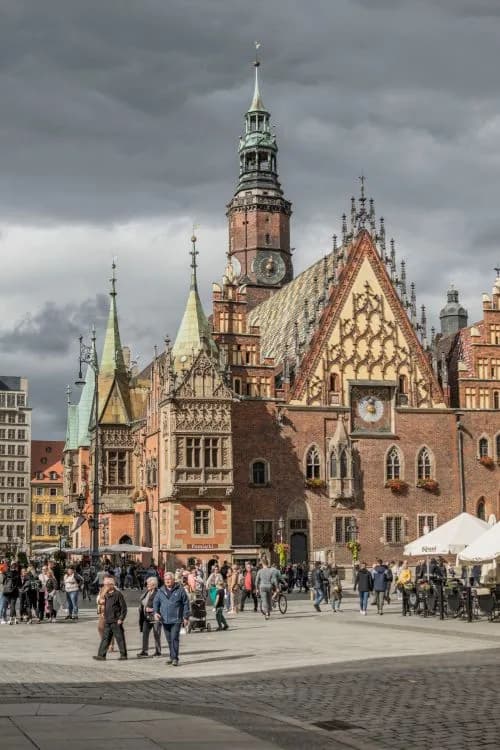
Wrocław might be the most famously mispronounced city in Poland, which makes it a critical stop in any guide to how to pronounce Polish cities. English speakers instinctively say "Wrock-law," but the correct pronunciation is VROTS-wahf.
Breakdown:
- W — "V." The city starts with V, not W.
- ro — "RO" as in "rose."
- c — "ts." The c alone is like "ts" in "cats." Put it together: "Vrots."
- ła — "wah." The ł is the English w sound.
- w — at the end of a word, devoiced to f. So "wahf," not "waw."
Two rules work together here: w = v at the start, and ł = w in the middle. This is the single most useful pronunciation lesson for any visitor to Poland.
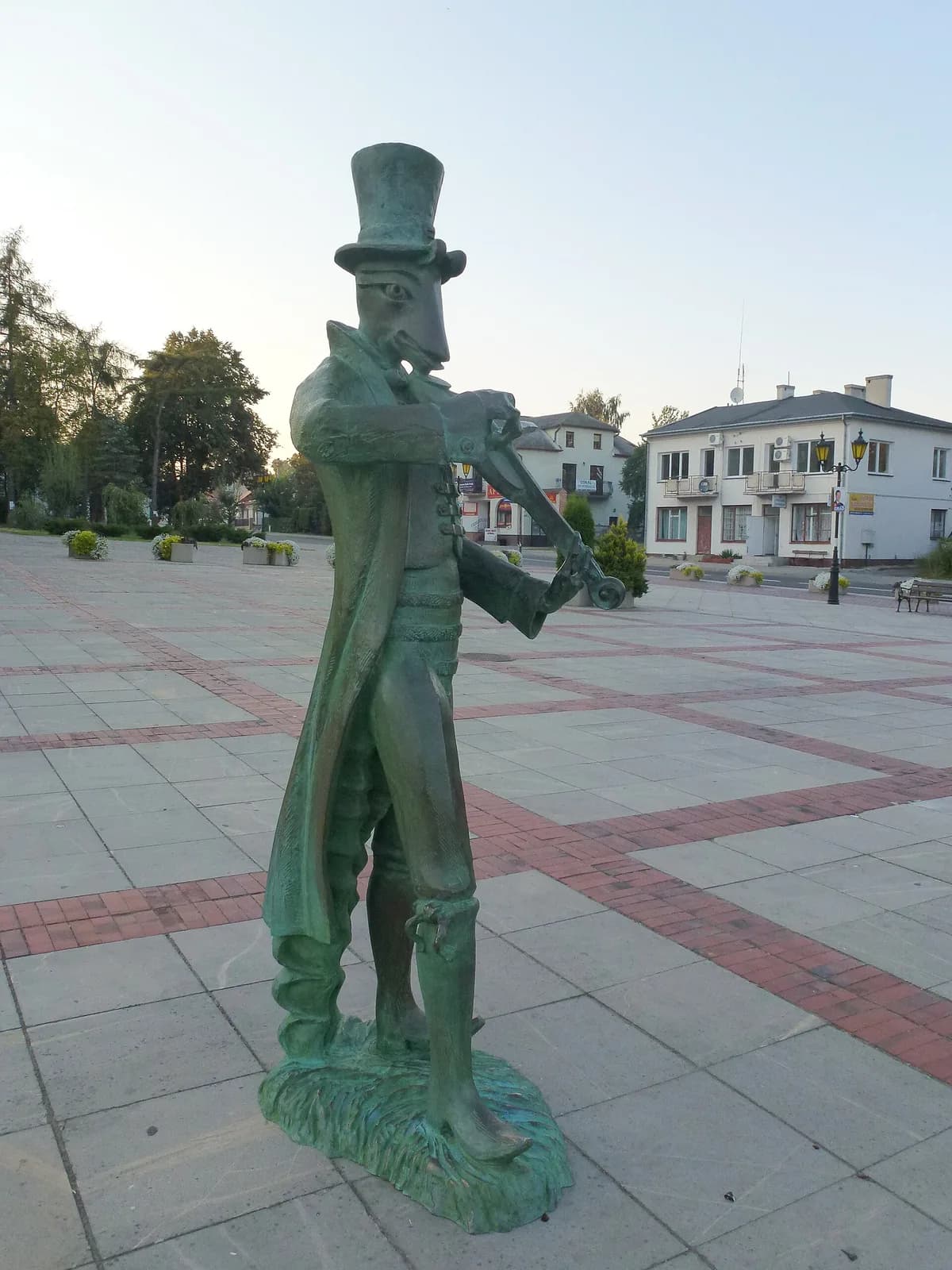
What to see: Wrocław's Market Square (Rynek) is enormous and beautiful, filled with colorful buildings and outdoor cafes. The city is famous for its dwarf statues — over 600 tiny bronze figures hidden around the streets, each with its own personality. Cathedral Island (Ostrów Tumski) is the oldest part of the city.
Wrocław is also known for its lively student population and excellent restaurants. It's a perfect weekend destination.
Poznań (POZ-nahn)
Poznań is a major business and cultural center in western Poland, and one of the country's oldest cities.
POZ-nahn works well as an English approximation.
Breakdown:
- Po — "PO" as in "post."
- zna — "znah." The z is a hard Z, like in English.
- ń — soft N at the end. The ń makes it "nahn" with a barely perceptible "y" tail — like "nahn- y" but very subtle.
What to see: The Old Market Square features a colorful Renaissance town hall with mechanical goats that butt heads at noon (a beloved local tradition). The Poznań Cathedral is one of the oldest churches in Poland. The Croissant Museum — yes, a museum dedicated to St. Martin's croissants — is a uniquely Poznań experience.
Cities That Look Tricky (But Aren't)
These two city names are famous specifically because they look hard to pronounce. Once you apply the rules above, they're just as logical as everything else in Polish.
Łódź (Woodge)
Łódź is Poland's third-largest city and a frequent victim of pronunciation guesswork. A full guide on how to pronounce Polish cities has to address this one — it is the most commonly mispronounced city name among English-speaking travelers. The most common mistake is reading it like the English word "lodge" — but the Polish pronunciation is completely different once you know two letter rules.
Woodge — rhymes with "goodge" (soft G, like "George").
Breakdown:
- Ł — English W. The first sound is W, not L.
- ó — English U. So "Woo-" like "wood."
- dź — Soft J/dj sound. The dź (d with an accent) is like the "j" in "John" but softer, almost like "dj."
So it's not "Lodge." It's "Woodge" — starting with the same sound as "wood" and ending with a soft "dj" like the end of "porridge."
Łódź was Poland's industrial heartland in the 19th century, and its main thoroughfare, Piotrkowska Street, is one of the longest commercial streets in Europe. The city has a gritty, creative energy — street art, revitalized factory complexes turned into shopping and entertainment centers, and the famous Łódź Film School, which trained directors like Roman Polański and Krzysztof Kieślowski.
Szczecin (SHTCHAY-cheen)
Szczecin is the name that makes people's eyes widen. All those consonants in a row! But the SZCZ cluster is just the Polish letters SZ (sh) + CZ (ch) — pronounced "shch" in sequence.
SHTCHAY-cheen is a workable approximation.
Breakdown:
- Szcz — "Shch." Sz = sh, cz = ch, so szcz = sh + ch = "shch." It's the same sound as the English word "fresh cheese" said quickly.
- e — "ay" as in "bay."
- cin — "cheen." The c is "ts" and the i softens it to a "ch" sound.
The whole name is three clean syllables: SHTCHAY-cheen.
Szczecin is a port city on the Oder River near the German border. Its most famous landmark is the Pomeranian Dukes' Castle, and the Chrobry Embankment offers beautiful views over the river. The city is a great starting point for exploring the Baltic coast and the Wolin National Park.
Nature and UNESCO Gems
Beyond the major cities, Poland has several smaller destinations that are well worth the trip. These names also follow the same pronunciation rules — and mastering them rounds out your how to pronounce Polish cities knowledge with more diverse letter combinations. For more on Poland's top destinations, the official Poland Travel website has comprehensive guides for every region.
Zakopane (zah-koh-PAH-neh)
Zakopane is Poland's winter capital, nestled in the Tatra Mountains near the Slovak border. The name is straightforward for English speakers.
zah-koh-PAH-neh — stress on the third syllable.
Breakdown:
- Za — "zah," like "za-zen."
- ko — "koh," like "co-mfortable."
- pa — "PAH," stressed.
- ne — "neh," like "net."
What to see: The Tatra Mountains offer hiking in summer and skiing in winter. Krupówki Street is the lively pedestrian promenade with restaurants, shops, and mountain-style architecture. The wooden villas built in the distinctive Zakopane Style (styl zakopiański) are unique to the region.
Toruń (TOH-roony)
Toruń is one of Poland's most beautiful medieval cities and a UNESCO World Heritage site. The ń at the end softens it subtly.
TOH-roony — rhymes with "slow moony."
Breakdown:
- To — "toh," like "to-tal."
- ruń — "roon-y." The ń adds a soft "y" tail. It's "roon" with a slight "y" on the end, like saying "roon" and then adding the "y" from "yes."
Toruń is the birthplace of Nicolaus Copernicus, the astronomer who proposed that the Earth orbits the Sun. The Gothic Old Town is exceptionally well-preserved, and the city is famous for its gingerbread — you can visit the Gingerbread Museum and even bake your own. The city escaped major damage in World War II, so its medieval streets are completely authentic.
Białowieża (byah-woh-VYEH-zhah)
The name of Europe's last primeval forest requires a few of our pronunciation rules at once.
byah-woh-VYEH-zhah
Breakdown:
- Bia — "byah." The B followed by ia creates a soft B sound, like "byah."
- ło — "woh." The ł = w rule.
- wie — "VYEH." The w = v rule combines with ie to make "vyeh."
- ża — "zhah." The rz / ż sound is the French J / "pleasure" sound.
What to see: Białowieża Forest is the last remaining fragment of the primeval woodland that once covered most of Europe. It's home to the European bison (wisent), which can be spotted on guided wildlife tours. The forest is a UNESCO World Heritage site and an absolute must for nature lovers.
Polish Cities & Regional Names — Grammar ReferenceHow to Practice Before Your Trip
You've learned the rules and seen them applied to Poland's top destinations. Now here's how to make the how to pronounce Polish cities knowledge stick before you arrive.
Listen and repeat. Forvo.com has native Polish recordings of most city names — listen to each one several times and repeat it out loud. Hearing the rhythm and intonation is invaluable. A quick search for "how to pronounce Wrocław" or "how to pronounce Gdańsk" on YouTube also yields helpful video demonstrations.
Use the phonetic spellings. The English approximations in this guide (KRAH-koof, VROTS-wahf, guh-DAINSK) are designed to work for English speakers. Practice saying them until they feel natural. Remember: approximation is perfectly fine. Poles genuinely appreciate any effort to pronounce their city names correctly — and the rules you've learned here already put you ahead of 90% of visitors.
Learn a few more Polish travel phrases. Even just dzień dobry (good day), dziękuję (thank you), and proszę (please) go a long way. Our guide to essential Polish phrases for travelers covers the most useful ones, and combining it with how to pronounce Polish cities gives you a solid travel-language foundation.
Pair it with the Polish alphabet and phonetics lesson. If you want to go deeper into the sound system, the full phonetics lesson breaks down every letter and sound combination with examples. For a broader start from scratch, our beginner's guide to learning Polish walks you through the first steps.
Don't forget that how to pronounce Polish cities is also a great party trick — being able to correctly say Wrocław and Łódź in a group of travelers is a surprisingly satisfying skill. Polish pronunciation follows rules consistently, which means the 10 cities in this guide teach you patterns you can apply to any Polish name you encounter.
Frequently Asked Questions
How do you pronounce Wrocław? VROTS-wahf. The W at the start is a V, the ł is a W, and the final w becomes an F. Never "Wrock-law." This is the single most frequently asked question about how to pronounce Polish cities — and once you know the two rules involved, it becomes completely logical.
Is Łódź pronounced like "lodge"? No — and clearing this up is one of the main reasons travelers search for how to pronounce Polish cities. Łódź is pronounced Woodge (rhymes with "goodge"). The Ł is an English W sound, and the ó is an English U. It's a completely different word from "lodge."
How do you say Warsaw in Polish? The Polish name is Warszawa, pronounced var-SHAH-vah. The English name "Warsaw" is perfectly acceptable to use in conversation, but learning the Polish pronunciation shows cultural awareness.
Do I need to speak Polish to visit these cities? Not at all. Most Poles in tourist areas speak good English, especially younger people and those working in hospitality. But learning how to pronounce Polish cities correctly and memorizing a handful of polite phrases makes a noticeable difference in how locals respond to you. It shows respect, and it makes navigating the country easier. For a broader reference, Wikipedia's article on Polish phonology goes deep into the sound system.
What's the hardest Polish city name to pronounce? Most travelers find Szczecin the most visually intimidating because of the SZCZ cluster at the start. But once you break it into sounds — SZ (sh) + CZ (ch) — it's perfectly logical. Wrocław is probably the most frequently mispronounced because of the counterintuitive W and Ł rules. In terms of actual difficulty for English speakers, Gdańsk (with its soft Ń and nasal Ą) is the most alien set of sounds — but even that becomes comfortable with a little practice.
Ready to Explore Poland?
Poland's cities are full of history, culture, and warm hospitality — and now you know how to say every name on your itinerary with confidence. The pronunciation rules you've learned in this guide apply to almost every Polish word you'll encounter, not just city names. Start with the cities you plan to visit, practice them a few times, and don't worry about perfection. The effort alone will earn you smiles.
For a deeper dive, the complete Polish phonetics lesson on this site covers every sound in the language. And if you're looking for a structured approach to learning the basics, the free course is the perfect next step.
Additional images in this post feature Wrocław City Hall and Gdańsk's historic port district.