In Poland, the biggest meal of the year isn't Christmas Day — it's the night before. Wigilia, the Polish Christmas Eve dinner held every December 24th, is the meal families plan around all year, and getting it right (all twelve dishes of it) matters more than almost any other tradition on the Polish calendar.
If you've been invited to a Polish Wigilia, or you're just trying to understand why Polish coworkers start talking about it in early December, this guide walks through what actually happens: the symbolism, the twelve dishes, and the small rituals — an empty chair, a shared wafer, hay under the tablecloth — that make it unlike any other Christmas Eve in Europe.
What Is Wigilia, Exactly?
Wigilia (pronounced vee-GEE-lyah) is the Christmas Eve vigil supper, held on December 24th once the first star appears in the evening sky — traditionally in memory of the Star of Bethlehem. Families wait for that first star before sitting down, which means dinner can start anywhere from late afternoon to early evening depending on the season and the sky.
Historically, the meal was meatless. Catholic tradition required fasting and abstinence from meat until the vigil ended, and even though that religious requirement has softened considerably, most Polish families still keep Wigilia meat-free out of habit and respect for the custom — fish, mainly carp, is the one major exception.
According to Wikipedia's overview of Wigilia, the tradition blends genuine Catholic liturgical practice with older Slavic folk customs that predate Christianity in Poland entirely, which is part of why so many of the smaller rituals around the meal feel more superstitious than religious.
The Opłatek Tradition: Sharing the Christmas Wafer
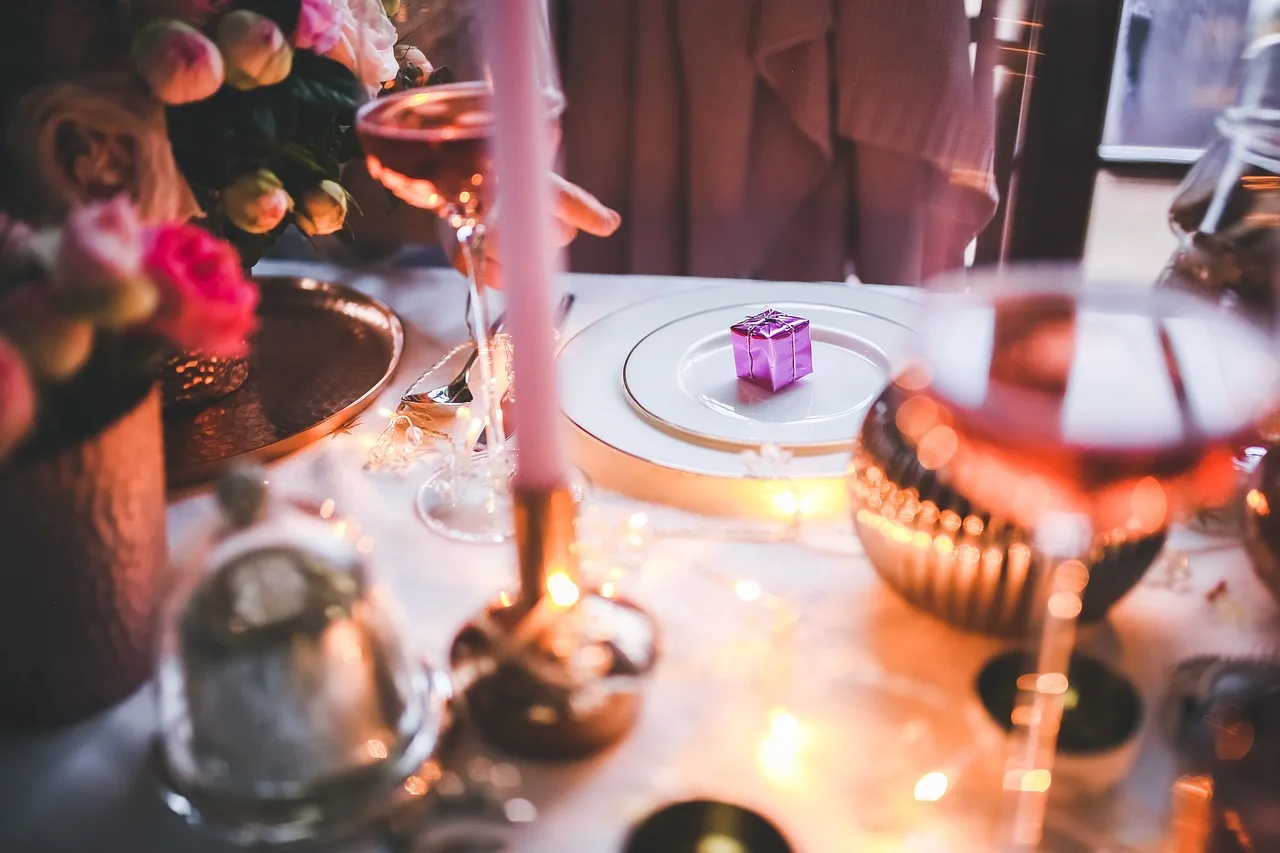
Before anyone eats a single dish, the meal opens with opłatek — a thin, rectangular wafer nearly identical to a communion host, embossed with religious images. Every person at the table breaks off a piece of their own wafer and exchanges it with everyone else present, offering a wish for the coming year as they do.
This isn't a quick formality. In a large family, opłatek-sharing can take fifteen or twenty minutes, as everyone circles the table exchanging wafer pieces and genuine, sometimes emotional, well-wishes. It's widely considered the most meaningful moment of the entire evening — more so than the food itself.
It's common for old family disagreements to get quietly set aside in this moment, even if only for the evening — a small, unspoken reset that comes with the ritual and rarely needs to be discussed out loud.
Why 12 Dishes? The Symbolism Behind the Number
The number twelve isn't arbitrary. It's most commonly explained as representing the twelve apostles, though some households also connect it to the twelve months of the year, and twelve is broadly considered a lucky number in Polish folk tradition. Exactly which explanation a family cites tends to depend on who's telling the story.
No law enforces the number — plenty of families serve eleven or thirteen dishes without anyone treating it as a crisis — but twelve remains the cultural benchmark that every Wigilia spread gets measured against, even informally, and guests will often quietly count along without saying so out loud.
The 12 Traditional Wigilia Dishes
Every region and every family varies the exact lineup, but these are the dishes that show up most consistently across Polish Wigilia tables nationwide.
| Dish | Polish Name | What It Is |
|---|---|---|
| Red beet soup | Barszcz czerwony | A clear, tangy beet broth, often served with small mushroom-filled dumplings |
| Mushroom soup | Zupa grzybowa | A rich soup made from dried forest mushrooms, an alternative to barszcz in some homes |
| Carp | Karp | The signature Wigilia fish, fried or baked, and the one dish everyone recognizes |
| Herring | Śledź | Served in oil, cream, or vinegar — often as an appetizer before the main courses |
| Pierogi | Pierogi | Filled dumplings, typically with sauerkraut and mushroom for Wigilia specifically |
| Cabbage rolls | Gołąbki | Stuffed cabbage rolls, usually filled with a meatless grain or mushroom mixture for the occasion |
| Sauerkraut with peas or mushrooms | Kapusta z grochem / grzybami | A hearty braised side dish, sometimes a main event on its own |
| Dumplings with fruit | Pierogi z owocami | A sweeter variation, sometimes served as a separate course |
| Kutia | Kutia | Wheat berries, poppy seed, honey, and dried fruit — more common in eastern Poland |
| Gingerbread | Piernik | Old Polish spiced gingerbread, often layered with fruit preserves |
| Poppy seed cake or roll | Makowiec | A rolled poppy seed cake, a Christmas dessert staple |
| Dried fruit compote | Kompot z suszu | A drink made from stewed dried fruit, served warm alongside dessert |
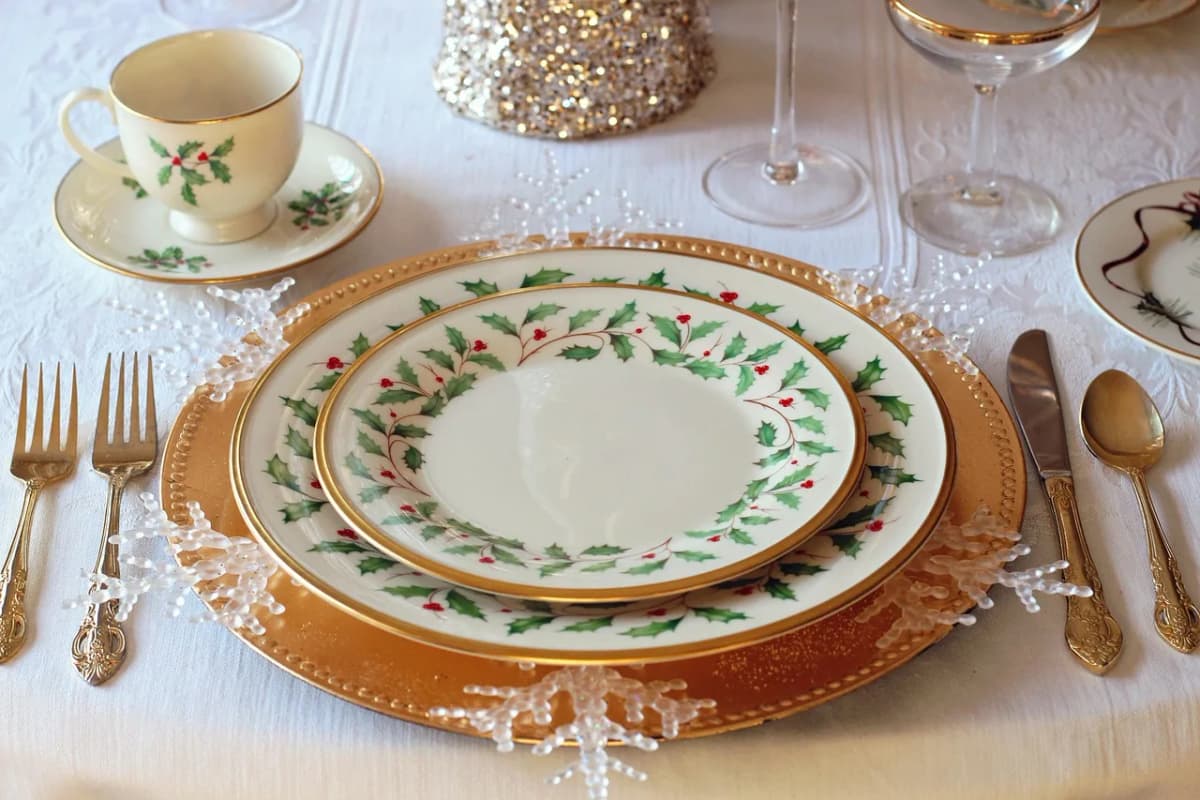
Notice how heavily fish, mushrooms, and grains dominate the list — a direct result of the meatless requirement shaping the menu for centuries, long after the strict religious obligation itself softened.
Regional Differences in the Menu
Poland doesn't have one single, standardized version of this meal — regional identity shows up clearly at the table, even within the same broad twelve-dish framework.
| Region | Regional Touch |
|---|---|
| Eastern Poland (near the Ukrainian and Belarusian border) | Kutia (wheat, poppy seed, honey, dried fruit) is far more central here than in the west |
| Silesia | Moczka, a spiced, nut-and-dried-fruit compote-like dessert, often replaces or joins the standard fruit compote |
| Coastal north | Fresh fish beyond carp — herring especially — plays a bigger role given proximity to the Baltic |
| Southern mountain regions (Podhale) | Local cheese and mushroom-heavy dishes reflect the area's highland food traditions |
None of these regional differences are treated as more or less "correct" — they're simply evidence that a genuinely nationwide custom still leaves plenty of room for local identity to come through.
What Makes Polish Christmas Eve Different From Christmas Day
In most of Poland, Wigilia carries more emotional and cultural weight than December 25th itself. Christmas Day tends to be quieter — a day for resting, visiting extended family, and eating leftovers — while all the anticipation, the ritual, and the careful planning goes into the night before.
This is a genuinely different structure from how many other countries organize the holiday. Where a lot of Western Christmas traditions build toward Christmas morning and gift-opening under the tree, Polish Christmas Eve is the emotional peak, and Christmas Day functions almost like a quiet epilogue by comparison.
An Empty Seat at the Table
One of the most distinctive Wigilia customs: an extra place is set at the table, with an empty chair and a full plate, reserved for an unexpected guest — historically imagined as a wandering stranger, or symbolically for a deceased family member who can no longer join. Turning away anyone who showed up hungry on Wigilia night was considered deeply inappropriate, and the empty seat is a physical reminder of that obligation.
In modern households, the empty seat has softened into more of a general symbol of remembrance and hospitality rather than a literal expectation of a stranger arriving, but the custom itself has stayed remarkably consistent for generations.
Hay Under the Tablecloth
A quieter, older custom: a small amount of hay (sianko) gets tucked under the white tablecloth before the table is set, referencing the manger where Christ was born. In some households, family members each pull a single piece of straw from underneath after dinner — a longer piece is said to predict good luck for the year ahead, a shorter one less so.
This is one of the clearest examples of the pre-Christian folk layer sitting directly underneath the religious one — a small, half-serious fortune-telling ritual folded into an otherwise solemn, liturgical evening.
How the Tradition Has Changed in Modern Poland
Younger, urban Polish families have adapted plenty of the old customs without abandoning the core structure. A full twelve-course spread cooked entirely from scratch is genuinely demanding, so it's increasingly common to see a trimmed-down version — six or eight dishes instead of twelve, some store-bought elements mixed with homemade ones, or the meal split across two households when a couple has family obligations on both sides.
What almost never gets cut, even in the most modernized version of the evening, is the opłatek exchange and the effort to gather everyone in the same room. Those two elements are treated as close to non-negotiable, even when the rest of the evening flexes to fit modern schedules and smaller kitchens.
Some families have also started blending in newer elements — a shared photo taken before the meal, a video call with relatives abroad joining in for the opłatek moment even from another country. The core emotional purpose stays remarkably intact even as the specific format keeps adjusting to how people actually live now.
Common Mistakes First-Time Guests Make
| Mistake | Why It Matters | Better Approach |
|---|---|---|
| Arriving right at the stated time | The meal starts once the first star appears, not on a fixed clock | Arrive a little early and expect some flexible waiting |
| Filling up on the first dish served | There are eleven more courses coming | Take small portions of everything early on |
| Treating the wafer exchange as optional or skippable | It's the emotional centerpiece of the whole evening | Participate fully, even with a simple, sincere wish |
| Bringing a meat dish as a contribution | Breaks the meatless tradition most families still observe | Ask the host in advance, or bring a bottle of wine or dessert instead |
| Leaving right after the meal | The evening often continues with carols, conversation, or Mass | Expect the night to run long, and don't plan anything else immediately after |
Once the meal winds down, many families head out for Pasterka, the midnight Mass held in Catholic churches across Poland on Christmas Eve — often packed well beyond capacity, with standing room only in larger parishes. Others stay home and open presents once dinner is finished, a custom that differs meaningfully from countries where gifts wait until Christmas morning.
Singing kolędy (Polish Christmas carols) around the table is also common before or after the meal, and unlike a lot of modern holiday customs, this one has stayed genuinely popular across generations rather than fading into something only older relatives still do. Some of these carols date back centuries and are instantly recognizable to nearly every Pole, the way a small handful of English carols are practically universal regardless of how religious a household is.
Attending Pasterka isn't mandatory even for religious families, but skipping it entirely is relatively rare — for many Poles, it functions as much as a shared cultural touchstone as a strictly religious obligation, the kind of thing you go to because everyone you know is going, not only out of personal conviction.
What to Expect if You're a Guest at Wigilia
Being invited to someone's family Wigilia is a genuine honor in Poland, not a casual dinner invitation — treat it accordingly, and a few small expectations will make the evening go smoothly.
| What to Expect | Why It Happens |
|---|---|
| Dinner starts later than a typical meal, once the first star appears | The tradition is built around waiting, not a fixed clock time |
| You'll be handed a piece of opłatek early on | Skipping this step isn't an option — it's the opening ritual, not optional small talk |
| The meal will be entirely meatless | Centuries of tradition, even where the strict religious rule has relaxed |
| Dinner runs long — often two or three hours | Multiple courses, wafer-sharing, and conversation are all part of the pacing |
| Gifts may be opened right after dinner | Unlike many countries, Poland often doesn't wait for Christmas morning |
Bringing a small gift for the host, dressing a little more formally than a typical family dinner, and being ready to genuinely participate in the opłatek exchange are the three things that matter most if you want to show real respect for the occasion.
Frequently Asked Questions About Wigilia
Do you have to eat all 12 dishes? No — most guests take a small portion of each rather than a full serving of every single dish, which is exactly why the tradition calls for tasting rather than finishing everything.
Is Wigilia only for religious families? The tradition has religious origins, but many secular Polish families still observe the full ritual as a cultural and family occasion rather than a strictly religious one.
What if I can't eat fish or don't like carp specifically? Most modern Wigilia tables include several other options beyond carp — pierogi, mushroom soup, and various vegetable dishes are safe, filling alternatives.
Scenario: What to Say When Sharing Opłatek
Picture being invited to a Polish family's Wigilia for the first time. The wafer gets passed to you, and everyone around the table is quietly offering personal wishes as they break pieces with each other. Here's roughly how that moment might go:
- Gospodyni (Host): "Podzielmy się opłatkiem." — Let's share the wafer.
- Ty (You): "Wszystkiego dobrego w nowym roku, zdrowia i szczęścia." — All the best in the new year, health and happiness.
- Gospodyni: "Dziękuję, nawzajem." — Thank you, the same to you.
- Ty: "Dziękuję za zaproszenie, to dla mnie zaszczyt." — Thank you for the invitation, it's an honor to be here.
You don't need an elaborate wish — genuine and simple is exactly right. Poles generally find a foreigner's sincere attempt at the tradition touching rather than something to critique, and a slightly imperfect Polish sentence spoken with real intention will land better than a flawless one recited without feeling.
Table of Important Wigilia Words
| Polish word | Rough pronunciation | English meaning |
|---|---|---|
| Wigilia | vee-GEE-lyah | Christmas Eve vigil supper |
| opłatek | oh-PWAH-tek | Christmas wafer |
| pierwsza gwiazdka | PYERV-shah GVYAZD-kah | first star (signal to begin the meal) |
| Pasterka | pah-STER-kah | midnight Mass |
| kolędy | koh-LEN-dy | Christmas carols |
| Boże Narodzenie | BOH-zheh nah-roh-DZEH-nyeh | Christmas (the holiday itself) |
| Wesołych Świąt | veh-SOH-wyh SHVYONT | Merry Christmas (greeting) |
Even if you only remember one thing from this guide, remember the opłatek moment — it's the emotional core of the entire evening, and understanding why families spend twenty quiet minutes exchanging wafer and wishes tells you more about Polish Christmas than any dish on the table. No amount of reading about the twelve dishes substitutes for actually experiencing that particular kind of quiet, sincere ritual firsthand.
If you want to go deeper on Poland's broader calendar of celebrations, our Polish Holidays and Traditions guide covers the full year, and since pierogi make an appearance on nearly every Wigilia table, our piece on what pierogi actually is is a natural next stop if the food side interests you more than the ritual. Whichever angle draws you in first, the two are deeply connected — Polish food culture rarely exists separately from the occasions and rituals built around it.