Family members in Polish are one of the first vocabulary sets any learner encounters — and for good reason. Words like matka (mother), ojciec (father), and rodzeństwo (siblings) are not just vocabulary items; they are keys to understanding how Poles talk about relationships, respect, and social identity. What makes learning family members in Polish different from learning them in English is the level of specificity. Polish has distinct words for maternal and paternal grandparents, separate terms for in-laws that are used consistently rather than optionally, and a complex system of diminutives that signal closeness and affection.
A Polish person might call their grandmother babcia, babunia, babuleńka, or babeczka depending on the context and their relationship. Each word carries a different emotional weight. This guide covers the essential family members in Polish, from immediate family to extended relations, and includes pronunciation guidance, example sentences, and cultural context so you can use the vocabulary in real conversations.
Immediate Family Members in Polish
These are the words you will use most often when talking about family members in Polish. They form the core of any conversation about family, and they are the first words to master when you start learning the language.
| English | Polish (masculine) | Polish (feminine) | Pronunciation Tip |
|---|---|---|---|
| mother | — | matka | MAHT-kah |
| father | ojciec | — | OY-chets |
| parents (plural) | rodzice | rodzice | roh-DZEE-tseh |
| son | syn | — | sin |
| daughter | — | córka | TSOOR-kah |
| brother | brat | — | braht |
| sister | — | siostra | SHOH-strah |
| siblings (plural) | rodzeństwo | rodzeństwo | roh-DZEN-stvoh |
| husband | mąż | — | maw(n)zh |
| wife | — | żona | ZHOH-nah |
Note that rodzice (parents) is plural and is grammatically masculine personal. Rodzeństwo (siblings) is neuter singular — you use it as a collective noun, like "siblinghood."
The distinction between brat and siostra is simple. What trips up learners of family members in Polish is the way the language handles "my brother" versus "your brother." Because Polish uses possessive adjectives that agree with the noun in gender, you say mój brat (my brother) but moja siostra (my sister). This is a perfect opportunity to practice the nominative gender system
For the complete possessive patterns, the Family & Possessives lesson
Extended Family in Polish
Once you move beyond the immediate family members in Polish, the vocabulary becomes more specific than English in several places. English makes do with "aunt" for both sides of the family; Polish distinguishes.
| English | Polish | Notes |
|---|---|---|
| grandfather | dziadek | DZHAH-dek |
| grandmother | babcia | BAHB-chah |
| grandson | wnuk | vnook |
| granddaughter | wnuczka | VNOOCH-kah |
| grandchildren (plural) | wnuki | VNOO-kee |
| uncle (father's brother) | stryj / stryjek | STRih-yek — traditional; wujek is more common in modern speech |
| uncle (mother's brother) | wuj / wujek | VOO-yek |
| aunt (father's sister) | stryjenka | strih-YEN-kah |
| aunt (mother's sister) | ciotka | CHOT-kah |
| cousin (male) | kuzyn | KOO-zin |
| cousin (female) | kuzynka | koo-ZIN-kah |
| nephew | bratanek (brother's son) / siostrzeniec (sister's son) | brah-TAH-nek / shoh-STSHEH-nyets |
| niece | bratanica (brother's daughter) / siostrzenica (sister's daughter) | brah-tah-NEE-tsah / shoh-stsheh-NEE-tsah |
The traditional distinction between stryj (father's brother) and wuj (mother's brother) is gradually fading in everyday speech. Most modern Poles use wujek for any uncle and ciocia or ciotka for any aunt, regardless of which side of the family they are on. However, you will still encounter the precise terms in formal contexts, older literature, and rural areas.
The real complexity among extended family members in Polish, as you can see, is in the words for niece and nephew. Polish splits these by the sibling's gender, not the child's gender: your bratanek is your brother's son, while your siostrzeniec is your sister's son. This level of specificity can feel overwhelming at first, but it is also what makes Polish such a precise language for describing relationships. Once you learn the pattern — brat + -anek for brother's son — the vocabulary becomes systematic rather than random.
For cousins, Polish is simpler than English in one way: kuzyn/kuzynka covers all types of cousins (first, second, once-removed — you specify the degree separately if needed). The word is a direct borrowing from French cousin, which makes it one of the easiest family words to remember.
In-Laws and Marriage Relations
Polish has dedicated words for in-law relationships that are used much more consistently than the English equivalents. While an English speaker might say "my husband's mother" or "mother-in-law," Polish has a specific word for every in-law position. These are some of the most important family members in Polish to learn if you are planning to interact with Polish in-laws.
| English | Polish | Pronunciation |
|---|---|---|
| mother-in-law | teściowa | tesh-CHOH-vah |
| father-in-law | teść | teshch |
| parents-in-law (plural) | teściowie | tesh-CHOH-vyeh |
| brother-in-law | szwagier | SHVAH-gyer |
| sister-in-law | szwagierka | shvah-GYER-kah |
| son-in-law | zięć | zhyench |
| daughter-in-law | synowa | si-NOH-vah |
The in-law family members in Polish are notoriously difficult for learners because they are so different from English. Teść (father-in-law) and teściowa (mother-in-law) share a root (teść) but take completely different endings. Szwagier and szwagierka are borrowed from German Schwager, which makes them etymologically distinct from the rest of the family vocabulary.
For the relationship between in-laws — your son's wife's parents, for example — Polish has the word powinowaty (relative by marriage), but it is rarely used in everyday conversation. Most Poles would say rodzina ze strony żony (family from the wife's side) or rodzina ze strony męża (family from the husband's side).
Terms of Endearment and Diminutives in Family Address
One of the most distinctive features of learning family members in Polish is the extensive system of diminutives used among close relatives. In English, "mom" and "dad" are about as affectionate as it gets. In Polish, the scale runs much further. Mastering these forms is a key part of sounding natural when referring to family members in Polish. Here is how the same family member changes depending on how close you feel:
Mother:
- Matka — mother (neutral, formal)
- Mama — mom (warm, everyday)
- Mamusia — mommy (affectionate, used by children and adults alike)
- Mateńka — dear mother (archaic, poetic)
- Mamunia / Mamulka — even more affectionate variants
Father:
- Ojciec — father (neutral, formal)
- Tata — dad (warm, everyday)
- Tatuś — daddy (affectionate)
- Tatusiek — dear daddy (very affectionate, slightly old-fashioned)
Grandmother:
- Babcia — grandma (everyday)
- Babunia — granny (affectionate)
- Babuleńka — dear old granny (very affectionate, slightly old-fashioned)
- Babeczka — little grandma (playful, literally "little cupcake")
Grandfather:
- Dziadek — grandpa (everyday)
- Dziadziuś — granddaddy (affectionate)
- Dziadeczek — dear little grandpa (very affectionate)
The diminutive system is not unique to family members in Polish — Polish has one of the most developed diminutive systems of any European language — but it is most noticeable in family address because the emotional stakes are highest there. Using mama when you might use matka signals closeness; using mateńka signals deep emotion or a slightly old-fashioned sensibility. Understanding these emotional layers is what separates basic from fluent use of family members in Polish.
For a fuller exploration of how diminutives work across all of Polish, see our article on Polish diminutives. The patterns you learn there apply to family terms, object names, and even abstract concepts.
How to Talk About Your Family in Polish: Essential Phrases
Knowing the vocabulary is only half the picture. To actually talk about family members in Polish, you need the phrases that connect the words into real sentences. The following phrases cover the most common situations where you will need to refer to family members in Polish. Here are the most common structures, with examples.
Introducing your family:
- To jest moja mama. — This is my mom.
- To jest mój tata. — This is my dad.
- To są moi rodzice. — These are my parents.
- Mam brata i siostrę. — I have a brother and a sister.
- Nie mam rodzeństwa. — I don't have siblings.
Asking about family:
- Masz rodzeństwo? — Do you have siblings?
- Ile masz rodzeństwa? — How many siblings do you have?
- Czy twoi rodzice mieszkają w Polsce? — Do your parents live in Poland?
- Masz dzieci? — Do you have children?
- Jesteś żonaty? / Jesteś zamężna? — Are you married? (masculine / feminine)
Describing relationships:
- Moja siostra jest starsza ode mnie. — My sister is older than me.
- Mój brat jest młodszy. — My brother is younger.
- To jest kuzyn ze strony mamy. — This is a cousin from my mother's side.
- Jesteśmy spokrewnieni. — We are related.
Note the accusative case in mam brata i siostrę (I have a brother and a sister). The brother changes from brat (nominative) to brata (accusative) because he is the object of "have." The sister changes from siostra to siostrę. This is the accusative case
Polish Family Culture: What the Vocabulary Reveals
The vocabulary of family members in Polish reveals a lot about Polish culture, which is why learning these words goes beyond simple memorization. The existence of separate words for paternal and maternal uncles and aunts (stryj vs. wuj, stryjenka vs. ciotka) reflects a historical family structure where the father's and mother's sides of the family played different roles. In traditional Polish society, the father's brothers were often more involved in family decisions than the mother's brothers, a pattern that left its trace in the language.
The elaborate system of diminutives for grandparents — babcia, babunia, babuleńka — reflects the central role grandparents play in Polish family life. Grandparents are often deeply involved in child rearing, particularly in families where both parents work. The vocabulary reflects that closeness by offering multiple ways to express affection, and understanding this emotional register is essential when learning family members in Polish.
The word rodzeństwo (siblings) is linguistically interesting because it is a collective noun rather than a plural form. English has no equivalent — "siblings" is simply plural. But Polish's rodzeństwo treats the sibling relationship as a unit, a single concept that encompasses the bond between brothers and sisters. This grammatical choice subtly reinforces the cultural value placed on sibling ties and makes it one of the most distinctive family members in Polish vocabulary.
And the in-law vocabulary — particularly teściowa (mother-in-law) — has generated its own body of Polish humor. Polish jokes about teściowa are as common as mother-in-law jokes in English, and the word appears in countless memes, cartoons, and comedy sketches. Learning these words means you can participate in that humor.

The Verb "To Be" and Family Descriptions
To describe your family members in Polish, you will rely heavily on the verb być (to be). Fortunately, family descriptions use the present tense, which is one of the earliest grammar topics you encounter. Here are the key forms in context:
- Jestem jedynakiem. — I am an only child (masculine).
- Jestem jedynaczką. — I am an only child (feminine).
- Moja babcia jest emerytką. — My grandmother is a retiree.
- Mój dziadek był lekarzem. — My grandfather was a doctor (past tense, instrumental case).
The instrumental case appears in the last two examples (jest emerytką — is [as] a retiree; był lekarzem — was [as] a doctor). Polish uses the instrumental case być lesson
Frequently Asked Questions about Family Members in Polish
How do you say "parents" in Polish? Rodzice (roh-DZEE-tseh). It is grammatically masculine personal plural. The singular forms are matka (mother) and ojciec (father).
Is there a difference between "wuj" and "stryj"? Traditionally, stryj is your father's brother and wuj is your mother's brother. In modern Polish, wujek is commonly used for any uncle, though some speakers still maintain the traditional distinction. This level of detail is what makes learning family members in Polish so interesting.
How do you say "siblings" in Polish? Rodzeństwo (roh-DZEN-stvoh). It is a collective neuter noun, singular. There is no plural form — you cannot say "rodzeństwa" for multiple sibling groups.
What is the diminutive of "babcia"? Babcia itself is already a diminutive (from baba). Further diminutives include babunia, babuleńka, and even babeczka (playful, literally "little cupcake").
How do you say "only child" in Polish? Jedynak (masculine) or jedynaczka (feminine). The word is derived from jeden (one), and it is a good example of how learning family members in Polish builds on other vocabulary.
Do Polish in-law terms get used in everyday speech? Yes. Teściowa (mother-in-law), teść (father-in-law), and szwagier (brother-in-law) are completely standard and used in everyday conversation. They are not formal or old-fashioned. Like all family members in Polish, they are essential for natural conversation.
Building Your Polish One Relationship at a Time
Talking about family members in Polish is one of the most practical vocabulary sets you can learn. Family comes up in every kind of conversation, which means these words will be used constantly. The more you practice using family members in Polish in real conversations, the faster they will stick. — introductions, holiday plans, weekend stories, photo sharing. Knowing how to say moja siostra (my sister) and mój brat (my brother) correctly, with the possessive adjective matching the noun's gender, is a small grammatical victory that pays off every time you speak.
The vocabulary also gives you a structured way to practice noun genders. Brat is masculine, siostra is feminine, rodzeństwo is neuter, rodzice is masculine personal plural. Every family word reinforces a different corner of the gender system, and memorizing the patterns through family vocabulary is easier than drilling abstract tables.
Family Gatherings and Holidays in Polish Vocabulary
Knowing the family members in Polish becomes especially useful during holidays and family gatherings, which are central to Polish culture. These events are where you will most frequently use the family members in Polish that you have learned. Here are the key occasions where family vocabulary comes into play.
Christmas (Boże Narodzenie) — the most important family holiday in Poland. The Christmas Eve dinner (Wigilia) involves extended family members — ciocia (aunt), wujek (uncle), kuzyni (cousins), dziadkowie (grandparents) — all gathered around the table. The tradition of sharing the opłatek (Christmas wafer) involves every family member wishing each other well. This is the one time of year when Poles most consistently use all of the family vocabulary.
Easter (Wielkanoc) — another major family gathering. The Easter breakfast after święconka (blessing of the Easter basket) typically includes grandparents, aunts, uncles, and cousins. Children look for presents from the zajączek (Easter bunny), and adults use the occasion to catch up on family news.
Name Day (imieniny) — in Poland, name days are often celebrated as much as birthdays. If your name is Jan (John), then on Dzień Świętego Jana (St. John's Day), friends and family visit, call, or send wishes. This tradition means that family members in Polish need to know each other's name day dates, which are more culturally important than in English-speaking countries.
First Communion (Pierwsza Komunia) — a major family event in Catholic Poland, usually for seven-to-eight-year-old children. Extended family members gather for the church ceremony and a family meal afterward. This is where the vocabulary for chrześniak (godson) and chrześnica (goddaughter) becomes relevant.
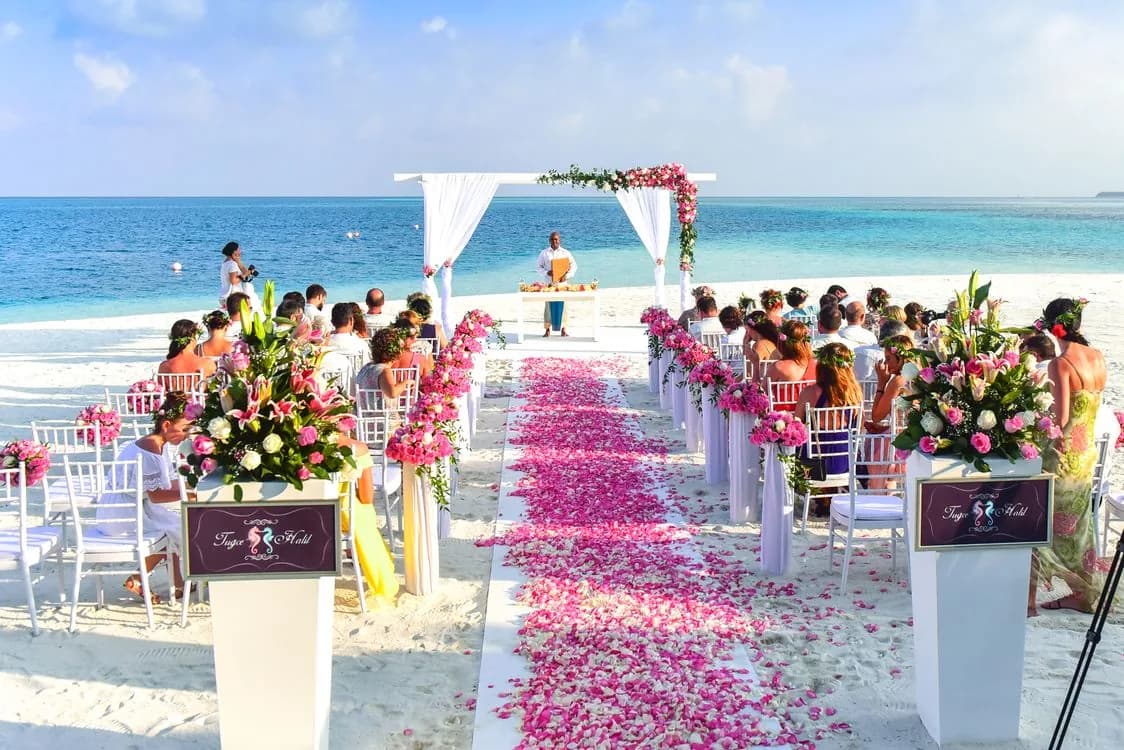
Weddings (Wesele) — Polish weddings can last two to three days and involve the entire extended family. The wedding vocabulary introduces drużba (best man), druhna (maid of honor), świadkowie (witnesses), and nowożeńcy (newlyweds). Understanding the family members in Polish is essential for navigating who sits where and who pays for what.
The Polish Concept of Rodzina
The Polish word rodzina (family) extends further than the English equivalent. When a Polish person talks about rodzina, they often mean the extended family — grandparents, aunts, uncles, cousins, and even second cousins — rather than just the nuclear family. This broader definition reflects the importance of extended family bonds in Polish society.
The phrase najbliższa rodzina (closest family) refers to immediate family — parents, siblings, spouse, and children. Dalsza rodzina means "further family" — the extended relations beyond the nuclear unit. Rodzina zastępcza means "foster family," and rodzina królewska means "royal family," but these are specialized uses.
For a complete walkthrough of possessive constructions with all family members, take the Family & Possessives lesson
The Polish census and government forms also use specific family vocabulary that you may encounter when dealing with official matters. Stan cywilny (marital status) options include kawaler/panna (unmarried man/woman), żonaty/zamężna (married), rozwiedziony/rozwiedziona (divorced), and wdowiec/wdowa (widower/widow). These terms are essential if you ever need to fill out Polish forms or navigate official family-related situations. Having a complete understanding of family members in Polish includes knowing these formal categories alongside the everyday vocabulary.
For a broader perspective on how family vocabulary connects to Polish culture, the Wikipedia article on Polish families offers sociological context on family structures and traditions in modern Poland.