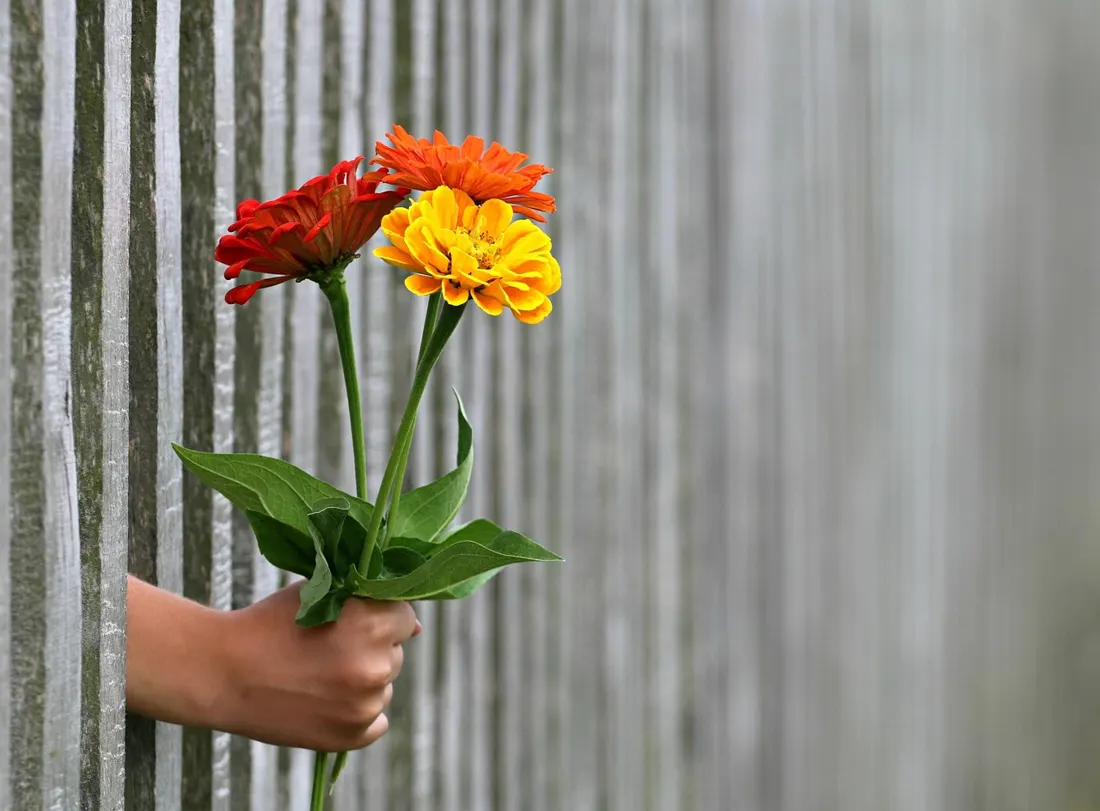
Dzień Kobiet, March 8th, is the one day of the year when it's completely normal for a Polish man to hand a flower to a female coworker, a stranger in a shop, or his own mother, without a birthday, name day, or any other occasion attached to it. In most of the English-speaking world, International Women's Day passed quietly into a niche, activist-adjacent observance decades ago. In Poland, it never really left the mainstream at all.
That gap is what makes Dzień Kobiet worth understanding as more than a date on a calendar. It's a genuinely surprising holdover from an era Poland has otherwise spent decades trying to move past, and it says something real about how selectively a country can keep or discard the customs a previous political system left behind.
What Dzień Kobiet Actually Is
Dzień Kobiet is Poland's name for International Women's Day, observed every March 8th with a wave of flowers, small gifts, and well wishes directed at practically every woman a man encounters that day — colleagues, teachers, relatives, and often complete strangers behind a shop counter. It isn't treated as a fringe or overtly political occasion the way International Women's Day sometimes is elsewhere; in Poland it functions closer to a lightweight, universal social custom, on the order of wishing someone a happy name day.
A Communist-Era Holiday That Outlived Communism
International Women's Day arrived in Poland in 1948, imposed as an official observance during the country's communist period, and it replaced what had previously been a Catholic feast day on the same date. For over forty years it carried the full weight of state ideology behind it — an occasion the Polish People's Republic used to publicly celebrate women's contributions to building communism and defending the state, with official messaging urging men to mark the day properly.
The Communist-Era Rituals: Carnations, Tights, and Vodka at Work
Under communism, Dzień Kobiet was an official public holiday, though notably not a day off from work — the observance happened alongside the workday rather than instead of it. Workplaces became the main stage: male colleagues were expected to greet every woman in the office or factory floor, hand out small gifts, and often share food and vodka as part of an informal in-office celebration.
The gifts themselves reflected the economic reality of the era as much as the sentiment behind them. Under chronic communist-era shortages, genuinely useful or hard-to-find items — nylon tights, coffee, chocolate, soap, towels — became common Dzień Kobiet presents specifically because they were difficult to acquire any other day of the year. Getting your hands on real coffee or a decent pair of tights for the women in your life was, in its own small way, an achievement.
Red Carnations: Why They Became "Flower Non Grata"
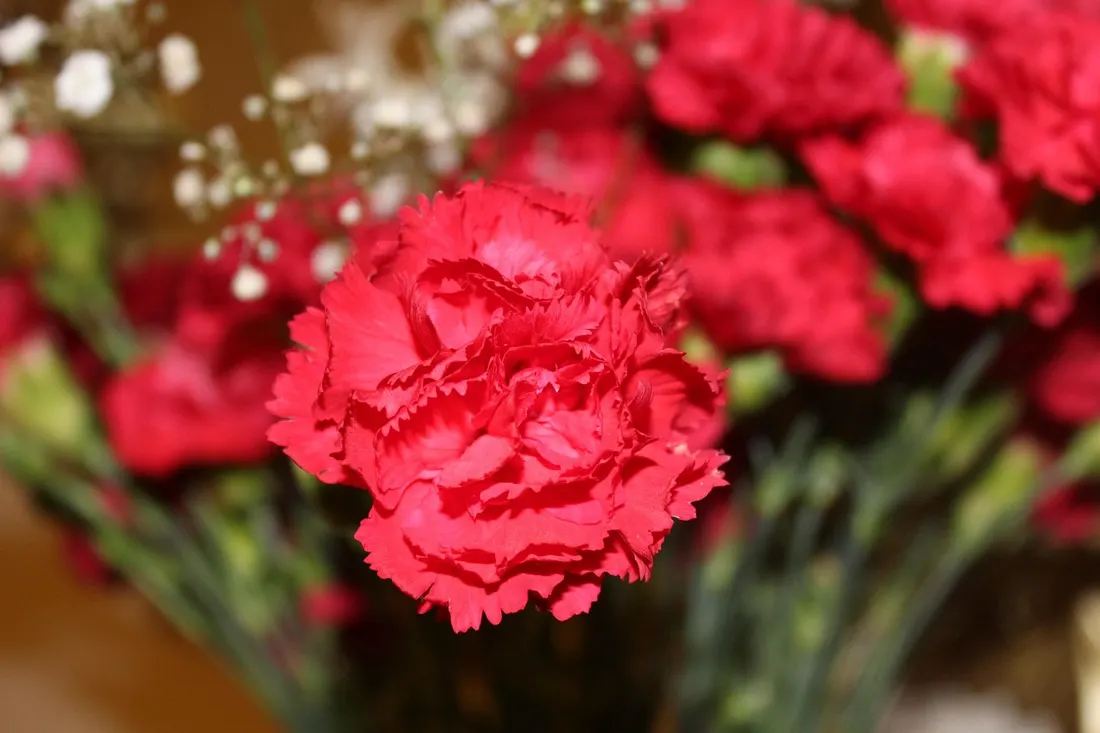
Red carnations were the era's default flower, chosen largely because they were reliably available at scale even under supply shortages that affected almost everything else. That practical convenience turned into a lasting association: carnations became so tightly linked to the holiday's socialist-state origins that many Poles today actively avoid giving them, treating the flower as tainted by communist nostalgia rather than a neutral, pretty gift.
What the Feast Day Used to Be
Before 1948, March 8th in Poland's Catholic calendar belonged to Saint Wincenty Kadłubek, a 12th–13th century bishop and chronicler best known for writing one of the earliest histories of Poland. His feast day had marked the date for centuries, following the same imieniny logic that assigns a saint to nearly every day of the year. When the postwar communist government imposed International Women's Day on March 8th, it didn't simply add a new observance to an open date — it displaced an existing religious one, swapping a bishop's feast for a state-sponsored secular holiday almost overnight.
That kind of substitution was common practice for the era's authorities, who had every incentive to weaken the Catholic Church's grip on the calendar in a country where Catholic identity ran deep. Dzień Kobiet is one of the more successful examples of the swap actually sticking — Saint Wincenty Kadłubek's feast day never regained its former public prominence, even as the political system that displaced it eventually collapsed.
Women's Day in Poland Today
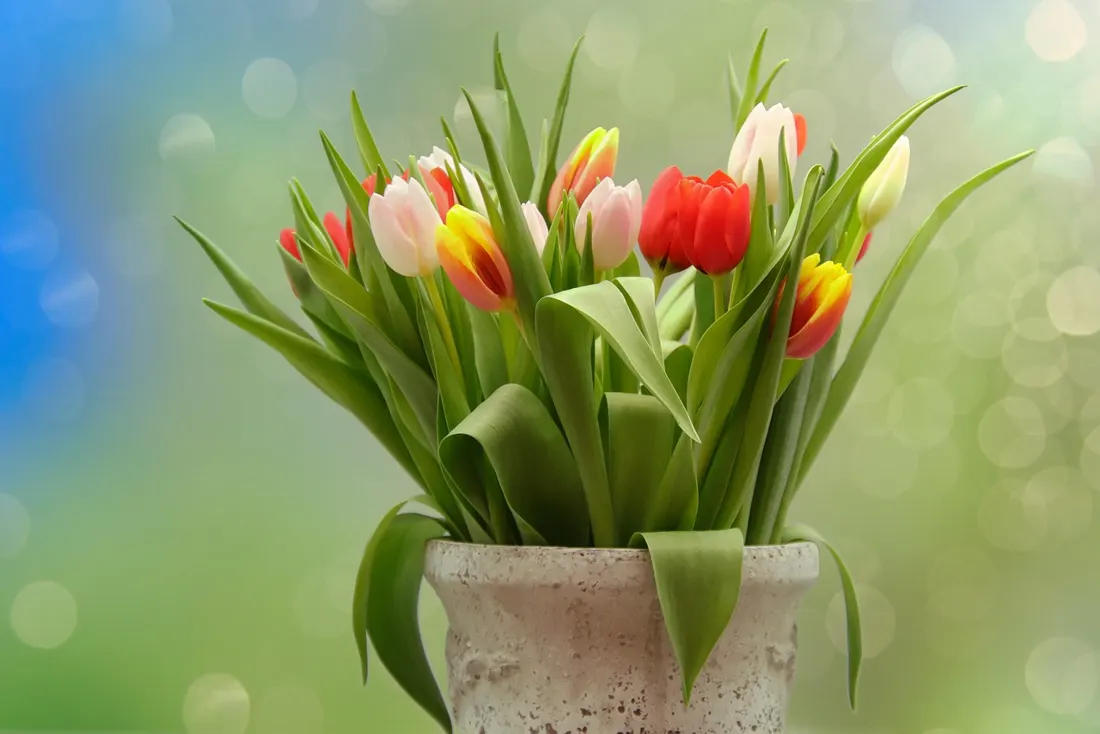
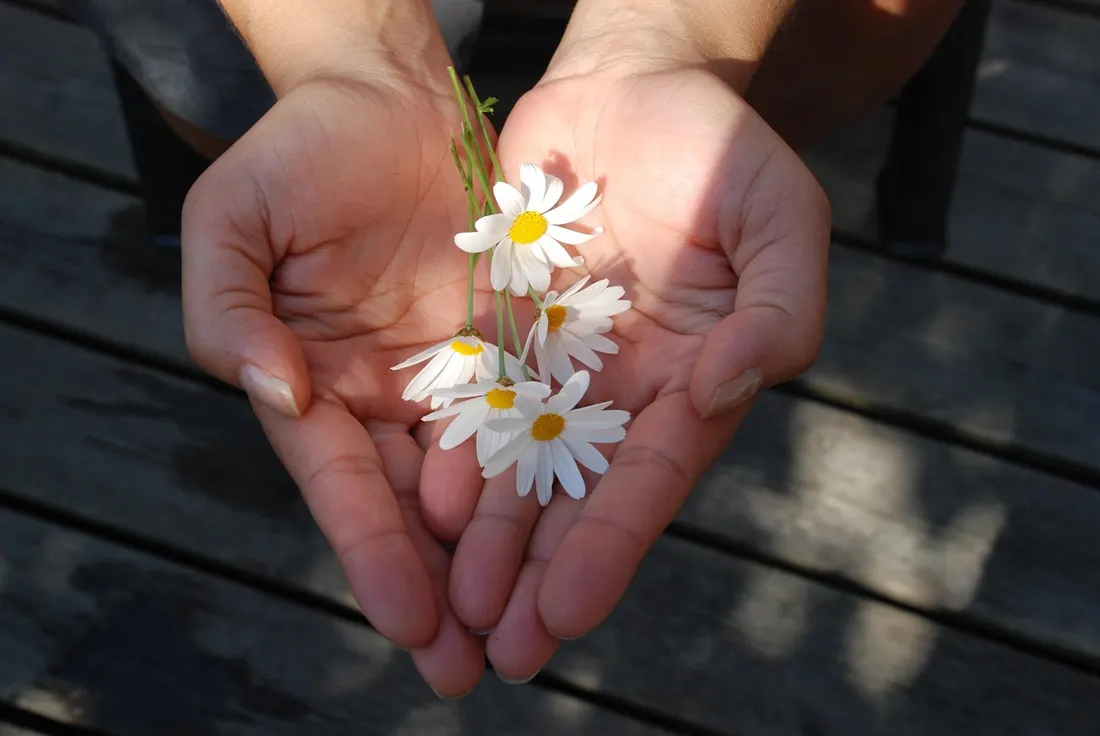
Modern Dzień Kobiet has quietly swapped out most of its communist-era trappings while keeping the basic gesture intact. Tulips have largely replaced carnations as the flower of choice, carrying none of the older flower's political baggage. Schoolchildren still reliably bring flowers or small gifts for female teachers, and it remains completely ordinary for men to greet female colleagues with flowers or chocolates at the office — the custom simply shed its ideological packaging while the underlying social habit stuck around.
What's notable is how little debate there tends to be about the day's utility or relevance in everyday Polish life, compared to the more contested status International Women's Day sometimes holds in other countries. It's less commonly treated as a platform for activism in the way it is in some Western contexts, and more as an established, low-stakes social nicety — closer in spirit to Mother's Day than to a protest movement, even though its actual origins are firmly rooted in early-20th-century labor activism.
Why This Didn't Fade Out Like It Did Elsewhere
In much of the English-speaking world, International Women's Day drifted toward a narrower audience after the mid-20th century — recognized by activists, some workplaces, and international organizations, but rarely observed by ordinary people buying flowers on their way home. Poland's version took the opposite path: instead of shrinking, Dzień Kobiet became so deeply embedded in everyday social routine — workplace culture, school customs, general politeness norms — that it survived the collapse of the very political system that introduced it.
That's the genuinely unusual part of this story. Plenty of communist-era institutions and customs in Poland were actively dismantled or fell out of use after 1989 specifically because of their political associations. Dzień Kobiet is a case where the underlying social behavior — men marking the day for the women around them — proved sturdier than the ideology that first attached it to March 8th, even as the specific symbols (carnations, ideological speeches) were quietly dropped.
Dzień Kobiet Across the Former Eastern Bloc
Poland wasn't unique in adopting a mainstream, mandatory-feeling version of International Women's Day — it was standard practice across the communist world. Russia kept its own version, sometimes with an extra day off entirely, and it remains a major flower-buying occasion there to this day, arguably even more commercialized than in Poland. Other former Eastern Bloc countries, including Czechia, Slovakia, and Hungary, went through broadly similar arcs: state-mandated observance during communism, followed by a gradual stripping-away of the overt political messaging while the basic custom of gift-giving persisted into the post-1989 era.
What varies most between these countries today is just how mainstream the day has stayed. In Poland, it's genuinely ordinary — office managers hand out chocolates, husbands buy flowers on the way home, and nobody treats the gesture as a political statement in either direction. In some other post-communist countries the day has drifted closer to explicitly commercial territory, closer to how Valentine's Day functions in much of the West, while in others it's faded further into the background than it has in Poland.
Diaspora and Modern Debate
Polish communities abroad have had a more complicated relationship with Dzień Kobiet than the observance enjoys back home. Because the holiday's origins are so explicitly tied to Soviet-era imposition, some diaspora families — particularly those who emigrated during or shortly after the communist period — have quietly dropped it altogether, treating it as one more piece of the old system best left behind rather than a neutral social nicety worth keeping.
Inside Poland, the holiday has also periodically become a minor flashpoint in broader arguments about gender politics, with some critics arguing that flowers and small gifts amount to a hollow, low-effort substitute for addressing more substantive equality issues, while defenders point out that the custom's popularity has never really depended on anyone treating it as a serious political statement in the first place. That tension rarely gets resolved, and mostly it doesn't need to — the practical result each March 8th is still an office full of flowers and very little actual debate happening in real time.
International Women's Day's Radical Origins
Dzień Kobiet's roots trace back much further than Poland's 1948 adoption of it. The first organized Woman's Day was held in New York in 1909, organized by the Socialist Party of America, and the idea of an annual international observance was proposed the following year by German socialist Clara Zetkin at an international conference in Copenhagen.
The date settled on March 8th after women textile workers in Petrograd began demonstrations demanding "bread and peace" on that date in 1917, protests that helped trigger the February Revolution. Vladimir Lenin formally established March 8th as the Soviet Union's official Women's Day in 1922, and the observance spread through the communist world from there — China adopted it in 1922, and it became a non-working public holiday across the USSR by 1965. Poland's 1948 adoption was simply one piece of that broader wave, arriving alongside the postwar imposition of Soviet-aligned governance across Central Europe.
It's a genuinely radical labor-movement origin story for a holiday that, in modern Poland, mostly plays out as an office manager handing out a box of chocolates. The politics didn't disappear entirely — International Women's Day retains its activist meaning in plenty of contexts worldwide — but in Poland specifically, Dzień Kobiet has settled into something closer to a gentle social custom than a protest anniversary.
Frequently Asked Questions
What does Dzień Kobiet mean? It translates directly to "Women's Day," and refers to Poland's observance of International Women's Day on March 8th, marked every year with flowers, small gifts, and well wishes for the women in someone's life.
Is Dzień Kobiet a public holiday in Poland? It was an official observance during the communist era, though not a day off work. Today it isn't a statutory public holiday, but it remains a widely recognized and consistently observed social occasion across the country.
Why do Poles give flowers on Dzień Kobiet? The custom dates to the communist era, when men were expected to greet women — at work, in shops, and at home — with flowers and small gifts as part of officially encouraged Women's Day celebrations. The habit outlasted the ideology behind it.
Why did red carnations fall out of favor? Carnations were the standard Dzień Kobiet flower under communism, chosen for their easy availability during a period of frequent shortages. That strong association with the socialist era made many modern Poles avoid them in favor of tulips or other flowers, even though nothing about the flower itself changed.
Is Dzień Kobiet the same as International Women's Day? Yes — Dzień Kobiet is simply the Polish name for the same March 8th observance recognized internationally, though Poland's version of the holiday developed its own distinct customs and social weight during the communist period that persist today.
Do Polish schoolchildren celebrate Dzień Kobiet? Yes, commonly. It's typical for schoolchildren to bring flowers or small gifts for female teachers on March 8th, a tradition that has continued largely unchanged since the communist era.
Is there an equivalent Men's Day in Poland? There is a lesser-known Dzień Chłopaka (Boys' Day) and Dzień Mężczyzn (Men's Day), observed on different dates, but neither carries anywhere near the same cultural weight, mainstream recognition, or consistent gift-giving custom that Dzień Kobiet has built up over decades of everyday practice.
Why is Dzień Kobiet more mainstream in Poland than in English-speaking countries? The custom became embedded in everyday workplace and school routines during more than forty years of official observance, which gave it a depth of ordinary social practice that International Women's Day never developed in most Western countries, where it stayed closer to an activist or institutional occasion.
Who started International Women's Day? The first organized observance was held in New York in 1909, and the idea for an annual international version was proposed in 1910 by German socialist Clara Zetkin. The March 8th date became fixed after the 1917 Petrograd demonstrations that helped spark the Russian Revolution.
What replaced Dzień Kobiet's old feast day? March 8th previously marked the feast of Saint Wincenty Kadłubek, a medieval bishop and chronicler, in Poland's Catholic calendar. The communist government displaced that feast day in 1948 when it imposed International Women's Day on the same date, part of a broader pattern of secularizing the civic calendar.
Do other former communist countries still celebrate Women's Day like Poland does? Many do, though the tone varies. Russia's version has stayed heavily commercialized, while some other Central European countries have seen the custom fade further into the background than it has in Poland, where it remains a genuinely mainstream, low-key social habit rather than a niche or purely ceremonial occasion.
Ultimately, Dzień Kobiet is a small, useful reminder that a country doesn't necessarily inherit or discard its history in one clean sweep — sometimes a habit outlives the ideology that created it, quietly shedding the parts that no longer fit while keeping the gesture itself intact. If details like this are what make a language and its culture stick for you, our guide to learning Polish for beginners is built around exactly that kind of curiosity, alongside deeper looks at other Polish social customs like imieniny and Polish wedding traditions.