Napiwek is the Polish word for a tip, and if you learned to tip the American way, it will trip you up fast. There is no 15-to-20-percent rule here, no line on the card machine asking you to pick a percentage, and no server quietly judging you for leaving nothing. Napiwek in Poland runs on a much looser, much more personal logic, and getting it wrong in either direction — tipping too little or over-tipping like an anxious tourist — stands out.
That looseness is the whole story. Polish service workers are paid a real base wage, not the sub-minimum "tipped wage" American servers depend on, so a tip here is a genuine bonus for good service rather than a wage top-up the whole system quietly relies on. That single structural difference explains almost everything else about how napiwek actually works.
This guide covers what napiwek means, how much Poles actually leave in restaurants, cafes, taxis, and salons, how the shift to card and BLIK payments has changed the ritual, and where tipping isn't expected at all. By the end you'll know exactly what to do the next time a Polish waiter hands you the terminal.
Tipping in Poland: What Napiwek Actually Means
Napiwek comes from "na piwo" — literally "for beer" — the same folk logic behind the German "Trinkgeld" (drink money) and the old Scots "drinksilver." Wikipedia's entry on gratuities lists napiwek right alongside those terms as one of the many languages where the word for "tip" quietly admits what it was originally for: buying the person who served you a drink, not covering their rent.
That etymology matters because it sets the tone. A napiwek was never meant to be an obligation baked into the price of the meal. It was a spontaneous, personal thank-you, and that spirit has mostly survived into modern Poland even as the country has otherwise gone thoroughly digital and cashless.
Ask a Pole "do I have to tip?" and the honest answer is almost always "no, but it's nice if the service was good." That's a genuinely different social contract than the one American visitors are used to, and it's worth sitting with before your first restaurant bill arrives.
Tipping in Poland also carries less social history than it does in the US. There was no era of formalized service-industry tipping standards under communism, when state-run restaurants and cafeterias operated on fixed prices with little room for individual gratuities. The modern napiwek culture is largely a post-1989 development, growing up alongside the private restaurant and hospitality industry itself — which helps explain why it still feels informal rather than institutionalized.
How Much to Tip in Poland
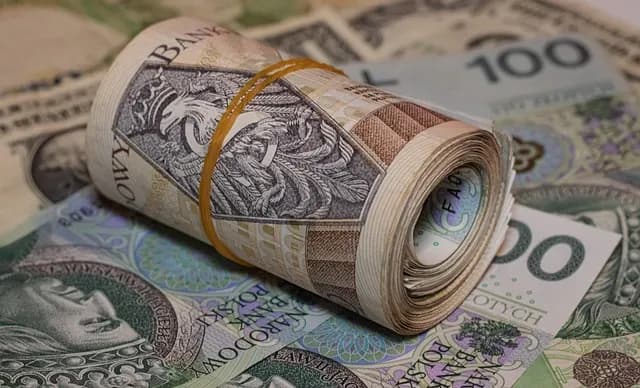
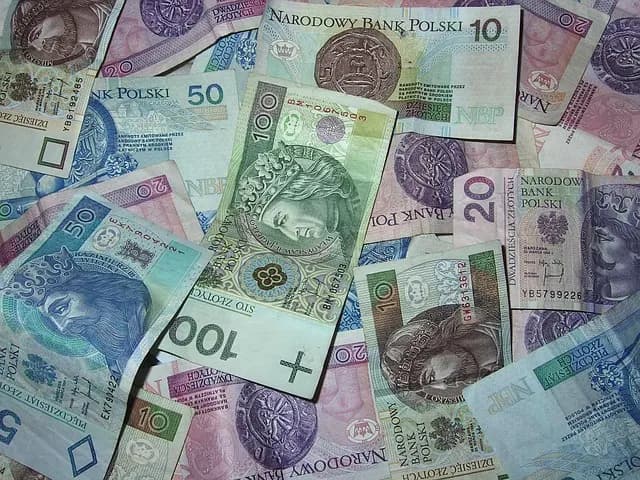
There's no rigid formula, but there is a real, widely understood range. In a sit-down restaurant, 10% is the standard for solid service, with 15% reserved for something genuinely memorable. Many Poles skip percentages entirely and just round the bill up — a 47 złoty tab becomes an even 50, no math required.
Cafes and bars work the same way, just smaller: rounding up by a few złoty, or leaving loose change from a cash payment, covers it. Nobody expects a percentage-based tip on a 12-złoty coffee.
Taxis and rideshare drivers get rounded-up fares rather than a separate tip — "keep the change" is the whole transaction. Hairdressers and barbers sit closer to the restaurant range, roughly 10%, especially for a regular client with an established relationship. Hotel staff (bellhops, housekeeping) are tipped in small fixed amounts, a few złoty per bag or per day, more Western-European in spirit than American.
The one place the rules tighten: if a restaurant bill already includes a service charge — common in tourist-heavy spots in Warsaw or Krakow's Old Town — an additional tip isn't necessary. Always check the bill before adding one on top.
Spa treatments, massages, and tour guides sit in a similar range to restaurants — roughly 10%, more if the guide went well beyond a scripted tour. Private tour guides in particular tend to appreciate a napiwek more visibly than restaurant staff do, since the freelance, gig-based nature of that work means a tip has a bigger relative impact on their day's earnings.
Cash, Card, or BLIK: How Poles Actually Leave a Tip
For years the unspoken rule was simple: even if you paid the bill by card, you left the napiwek in cash on the table. That habit is now colliding with a country that has gone almost entirely cashless in daily life, and it's producing some genuinely new etiquette.
The biggest shift is BLIK, Poland's homegrown mobile payment system. It's now common to see a server's BLIK code taped to the receipt folder, or a QR code by the register, specifically for tips — a workaround for customers who simply don't carry cash anymore. Splitting a tip between a group of diners via BLIK transfer has become completely normal in cities, something that would have been unthinkable a decade ago.
Card terminals themselves are starting to catch up too. A growing number of restaurants now offer a manual tip-entry step on the card machine, though it's far from universal — plenty of places still expect you to hand over cash separately even if the bill itself is paid by card. When in doubt, ask, or just have a little cash on hand; it remains the one payment method that works everywhere, every time.
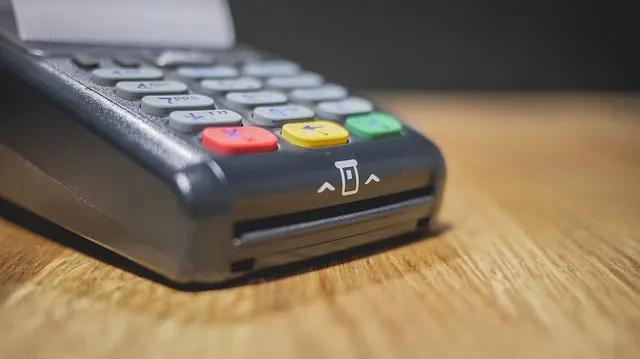
Even so, plain cash still changes hands more often than either of those digital options once the bill is actually settled.
Where Napiwek Isn't Expected
Tipping in Poland is a sit-down-restaurant convention, not a blanket rule for every transaction involving money changing hands. At a bar mleczny — the old-school cafeteria-style milk bars that still serve cheap, no-frills Polish food — nobody tips. You order at a counter, carry your own tray, and the entire point of the format is that it's fast, cheap, and unceremonious. Leaving a napiwek there would genuinely confuse the staff.
The same goes for fast food, self-service counters, food trucks, and grocery store checkouts. Supermarket cashiers, Żabka clerks, and delivery drivers dropping off a package are not part of napiwek culture at all — there's simply no ritual for it. Food delivery apps sometimes prompt for a tip at checkout, which is a newer, app-driven habit rather than anything rooted in Polish custom, and plenty of Poles still skip it.
Bar counters where you order and pay immediately (rather than running a tab with table service) also tend to fall outside tipping norms, though rounding up a round of drinks is common enough that nobody will look at you strangely either way.
International coffee chains sit in a slightly odd middle ground. A Starbucks in Warsaw or Wrocław usually has a small jar by the register rather than an expectation baked into table service — dropping loose change in is a nice gesture, not a social requirement the way it might feel at a local kawiarnia with a server who brought your drink to a table. The distinction really comes down to whether someone actually served you or you served yourself; self-service almost never triggers an expectation of extra payment in Poland, regardless of how international or local the chain is.
Polish Tipping Culture Versus America's
The contrast with the United States is worth spelling out, because it's the single biggest source of confusion for American visitors. In the US, tipping exists because servers are legally paid a sub-minimum wage and depend on tips to reach anything close to a living income — skipping a tip there isn't a judgment call, it's taking money out of someone's paycheck.
Polish service workers earn a standard wage regardless of tips. A napiwek genuinely is extra — a real thank-you for real effort, not a structural patch on an underpaid job. That's why the percentages run lower (10% versus the American 18-20%) and why skipping a tip for mediocre service carries none of the social weight it does in the US.
This distinction shows up constantly on expat forums: American visitors tipping 20% get politely told they're overdoing it, while Polish visitors to the US are routinely blindsided by how much tipping there actually costs. Neither system is "right" — they're just built on completely different foundations.
There's also a class dimension worth noting. In the US, the size of a tip functions almost like a second, informal wage negotiation happening at every single table, every single shift — a system many American service workers themselves criticize for being unpredictable and demeaning. Poland's version sidesteps that entirely: a server's paycheck doesn't hinge on a stranger's mood, generosity, or math skills on a given evening, which removes a huge amount of the anxiety that surrounds the American ritual for customers and staff alike.
Tipping Etiquette for Tourists and Expats
A few practical habits will keep you on the right side of napiwek etiquette. First: carry some cash, even in a country that runs increasingly on card and BLIK. It's still the most universally accepted way to leave a tip, and it avoids the awkwardness of asking a server whether the terminal even supports tipping.
Second: watch how you hand over cash. If you're paying in cash and say "dziękuję" (thank you) while handing the bill over, that's understood as a signal to keep the change as the tip. If you want change back, wait until it's actually in your hand before thanking the server — otherwise you may find you've tipped more generously than you meant to.
Third: don't feel obligated to hit an American-style percentage. If you're settling into life in Poland — worth reading alongside a broader look at the cost of living in Poland if you're budgeting for a longer stay — a 10% habit at sit-down restaurants and rounding up everywhere else will serve you perfectly well, and nobody will think twice about it.
Finally, remember that context matters more than a fixed number. A napiwek for a quick coffee and a napiwek for a three-hour anniversary dinner aren't scaled the same way in anyone's head, Polish or otherwise — use judgment, not a spreadsheet.
Frequently Asked Questions
Is tipping mandatory in Poland? No. Napiwek is discretionary everywhere except where a service charge is already built into the bill, in which case an extra tip isn't expected. Restaurant staff won't chase you down for skipping it, though genuinely good service is usually rewarded with something.
How much should I tip in a Polish restaurant? Around 10% for good service is the standard, with 15% for something exceptional. Rounding the bill up to a convenient number is just as common as calculating a precise percentage, and both are perfectly normal.
Do you tip in cash or by card in Poland? Cash remains the default, even when the bill itself is paid by card — you simply leave the napiwek separately on the table. BLIK transfers are an increasingly common cashless alternative, especially among younger city-dwellers.
Do you tip taxi drivers in Poland? Rounding up the fare is the norm rather than a calculated percentage. Rideshare apps like Bolt or Uber sometimes offer an in-app tipping option, but it's optional and lightly used.
Is it rude not to tip in Poland? Not inherently — Poland's tipping culture is genuinely optional, unlike the US where skipping a tip has real financial consequences for the worker. That said, consistently skipping tips for good service can come across as stingy in social settings, especially among friends.
Do you tip food delivery apps like Glovo or Wolt? It's optional and inconsistently used. The apps prompt for a tip at checkout, but plenty of Poles skip it, treating the delivery fee itself as covering the service. A small in-app tip for a rider who came through in bad weather is appreciated but far from expected.
Do you tip tour guides in Poland? Yes, roughly the same 10% range as restaurants, more for a private or particularly engaging tour. Because many guides work freelance rather than for a fixed salary, a napiwek here tends to matter more directly to their income than it does in a salaried restaurant job.
Napiwek Key Facts
| Setting | Typical Napiwek |
|---|---|
| Sit-down restaurant | 10% (good service), 15% (exceptional) |
| Cafe or bar | Round up, or leave loose change |
| Taxi / rideshare | Round up the fare |
| Hairdresser / barber | ~10%, especially for regulars |
| Hotel staff | A few złoty per bag or per day |
| Bar mleczny, fast food, self-service | Not expected at all |
This is one of those small cultural details that reveals a lot about how differently Poland handles money and service compared to the US — quietly, informally, without the anxiety that surrounds American tipping. Pay attention to it, get comfortable rounding up rather than calculating, and it stops being a source of stress within your first week in the country.
Most visitors find the adjustment goes the easy direction: once you're used to a system where nobody's income depends on your generosity, it's hard to feel nostalgic for constant on-the-spot percentage math. A few złoty rounded up, a "dziękuję" at the right moment, and you've handled it exactly the way a local would — no app, no calculator, no awkward pause while the whole table watches you pick a percentage on a screen.