
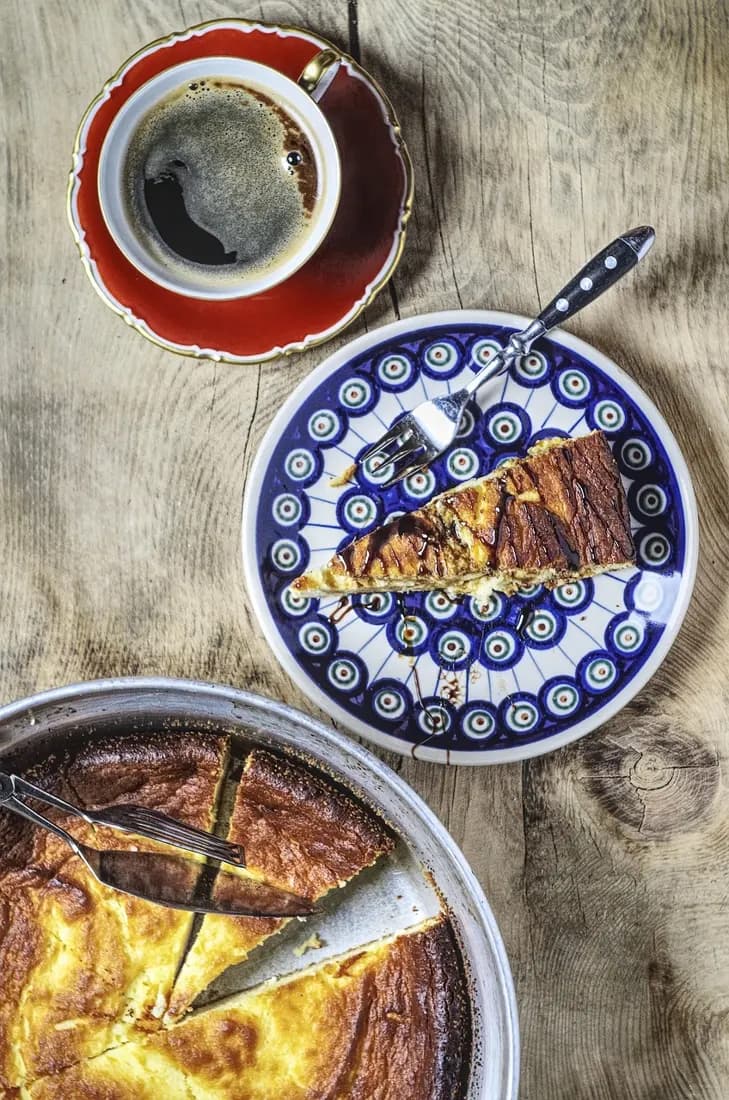
Sernik is Poland's version of cheesecake, and once you understand what it's actually made of, you'll wonder why anyone still calls it "just cheesecake." Nearly every Polish household has a family recipe for it, passed down and quietly argued over for generations. It shows up at Sunday dinners, name-day parties, funerals, and Christmas tables with equal ease, which is more than you can say for most desserts.
The word itself gives away the secret. Ser means cheese in Polish, and this cheesecake is built entirely around one specific kind: twaróg, a dense, tangy farmer's cheese that has almost nothing in common with the cream cheese that goes into an American-style cheesecake. That single substitution changes the texture, the flavor, and honestly the entire eating experience.
This isn't a niche regional dish or a fading tradition — it's one of the most-baked desserts in Poland today, sold fresh in every neighborhood cukiernia (pastry shop) and made from scratch in home kitchens on a completely ordinary Tuesday. Here's what makes it different, where it came from, and how Poles actually eat it.
What Makes Polish Cheesecake Different From the American Kind
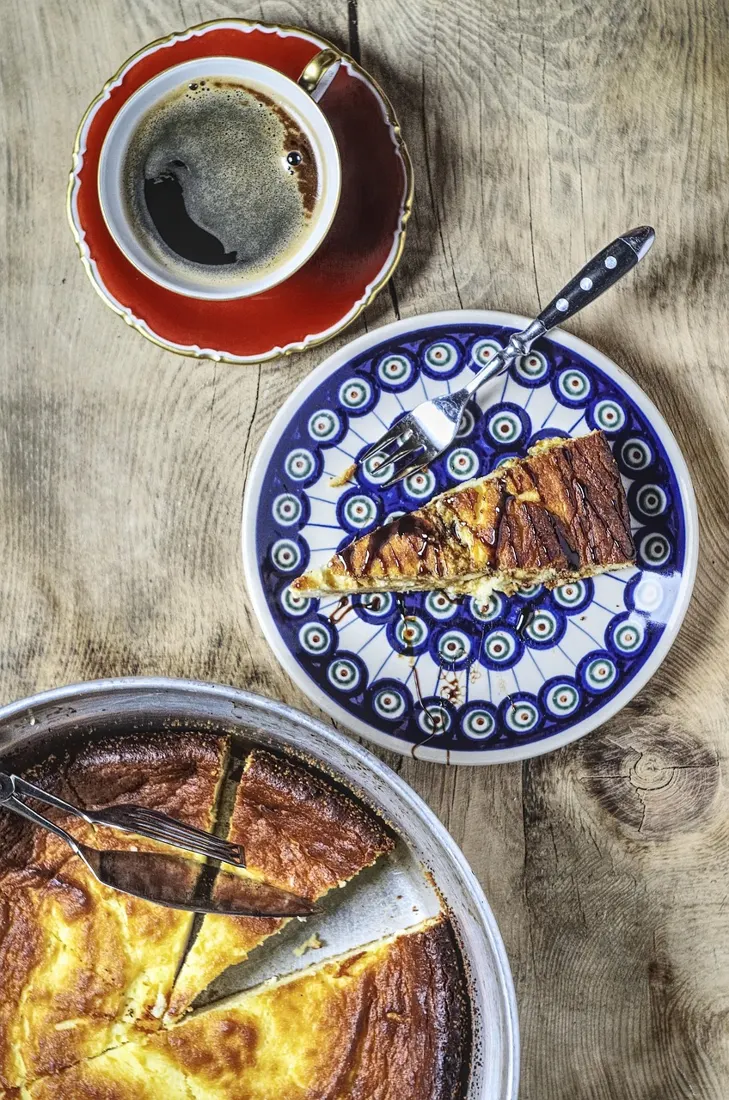
Anyone who has only eaten the New York style is in for a surprise. A traditional polish cheesecake isn't dense and gluey in the way American cheesecake often is — it's lighter, slightly grainy in the best way, and noticeably less sweet. The tang isn't hidden under sugar; it's the point.
The biggest structural difference is the base. American cheesecake almost always sits on a graham cracker crust. It traditionally uses a thin shortcrust pastry (kruche ciasto) on the bottom, sometimes on the sides too, and in some family versions no crust at all — just cheese filling baked directly in a buttered, breadcrumb-dusted pan.
Baking method matters as well. Cream-cheese cheesecakes are often baked in a water bath specifically to prevent cracking, because the filling is so rich and dense that it's prone to collapsing or splitting. Its lighter, whipped filling is more forgiving — a top that cracks slightly is considered completely normal, not a failure.
Twarog Cheese: The Ingredient That Defines This Cake
You cannot make an authentic version with cream cheese, and Polish bakers will tell you so without hesitation. The defining ingredient is twarog cheese — also labeled ser biały ("white cheese") on Polish grocery shelves — a fresh, unripened farmer's cheese made by curdling milk and pressing out the whey.
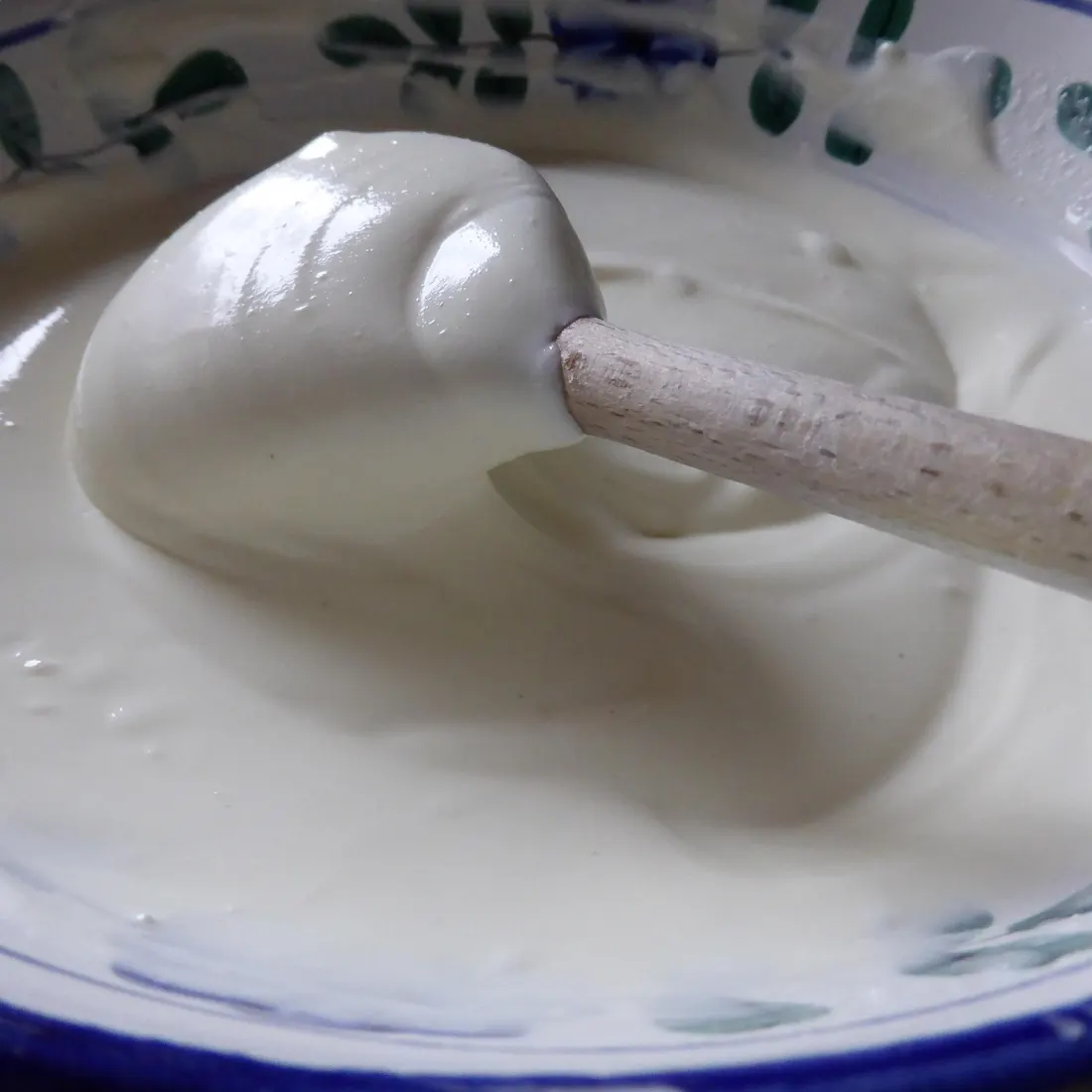
Twarog cheese is firm enough to hold its shape when sliced, yet creamy and slightly crumbly on the tongue, with a mild sourness that cream cheese simply doesn't have. Traditional recipes call for the cheese to be ground through a meat grinder or fine sieve two or three times, breaking down every last curd until the mixture is completely smooth before it's folded with eggs, sugar, and butter.
Twarog isn't exotic outside Poland, either — it belongs to a wider family of fresh, unripened farmer's cheeses found across Central and Eastern Europe, including Russian and Ukrainian tvorog and German quark. Most well-stocked international grocery stores in the US, UK, and elsewhere carry a close substitute under one of those names. Bakers who can't find it sometimes strain full-fat ricotta or drain cottage cheese overnight to approximate the texture, though the result is never quite identical to the real thing.
How Twarog Is Actually Made
The process is simple and old — simple enough that Polish farmhouses were doing it long before commercial dairies existed. Fresh milk is soured, either naturally or with an added culture, until it separates into thick curds and thin, watery whey.
The curds are then drained through cheesecloth or a fine sieve, sometimes pressed under light weight for several hours to squeeze out the remaining moisture. What's left is a firm, tangy block of cheese with almost no additives — just milk, time, and gravity. That simplicity is exactly why it takes so well to being ground down and turned into a smooth cheesecake filling.
Today most Polish households buy twarog rather than make it, since commercial dairies produce it in exactly the texture home bakers want. Supermarket shelves usually stock at least three or four grades, from a lean, low-fat version to a rich, semi-fat one — and which grade a family reaches for is, predictably, yet another point of quiet disagreement between generations.
A Dessert With Roots in Polish Dairy Country
Cheese-based desserts have existed in Central Europe for centuries, but this dessert as Poland knows it today took shape alongside the country's long tradition of small-scale dairy farming. Twarog was — and still is — a staple of the rural Polish diet: cheap, filling, and easy to make at home from milk that would otherwise spoil.
Turning surplus farmer's cheese into a sweet, baked dessert was a practical solution as much as an indulgent one, and the recipe spread and diversified across regions and generations long before it was written down in any cookbook. By the 20th century it had become a fixture of Polish home baking nationwide, no longer tied to any one region.
Jewish culinary traditions in Poland also shaped the dessert's development, particularly the custom of baking cheesecakes for Shavuot, a holiday historically associated with dairy foods. Many food historians trace some of Central Europe's cheesecake variations, including versions closely related to sernik, partly through this shared culinary history rather than through a single, purely Polish origin point.
Rural Polish families often kept a cow or a couple of goats specifically for this reason: milk that couldn't be sold or drunk fast enough became twarog almost automatically, and turning that twarog into a cake was a way to make a humble, everyday ingredient feel like an occasion. That thrift-driven origin is part of why it still feels so unpretentious compared to more elaborate European pastries — it was never designed to impress anyone, just to use up what the household already had.
Regional and Family Variations Worth Knowing
Ask five Polish grandmothers for their sernik recipe and you'll get five confidently different answers, each insisting theirs is correct. A few named variations have become common enough to appear on bakery menus and in published cookbooks.
Sernik krolewski ("royal cheesecake") is the most decadent version — a rich cheese filling sandwiched or striped between layers of dark chocolate or cocoa sponge, sometimes finished with a chocolate glaze. It's the version most likely to show up at a birthday celebration rather than an everyday family dinner.
Sernik wiedenski (Viennese-style) is baked without a bottom crust at all, relying on a well-buttered and breadcrumbed pan, which produces an especially light, almost souffle-like texture once cooled. Sernik na zimno ("cold cheesecake") skips the oven entirely, setting the cheese filling with gelatin over a crushed-biscuit base — a popular summer version when nobody wants to run the oven.
Other common additions include raisins soaked in rum, a swirl of tart fruit preserves, or a thin layer of poppy seed filling folded through the middle, echoing the poppy seed rolls traditionally served at the same holiday tables. This is exactly where the grandmother-recipe rivalry gets serious: whether raisins belong in the batter at all, and how thick that top layer should be, are questions with no agreed-upon answer anywhere in Poland.
Every family also has strong opinions about doneness. Some insist on a fully firm, sliceable set with no jiggle at all; others deliberately underbake it slightly so the center stays soft and almost custard-like once cooled. Neither camp considers the other's version wrong, exactly — just different, the way one grandmother's version is never quite the same as another's even with an identical written recipe.
How Sernik Fits Into Everyday Polish Life
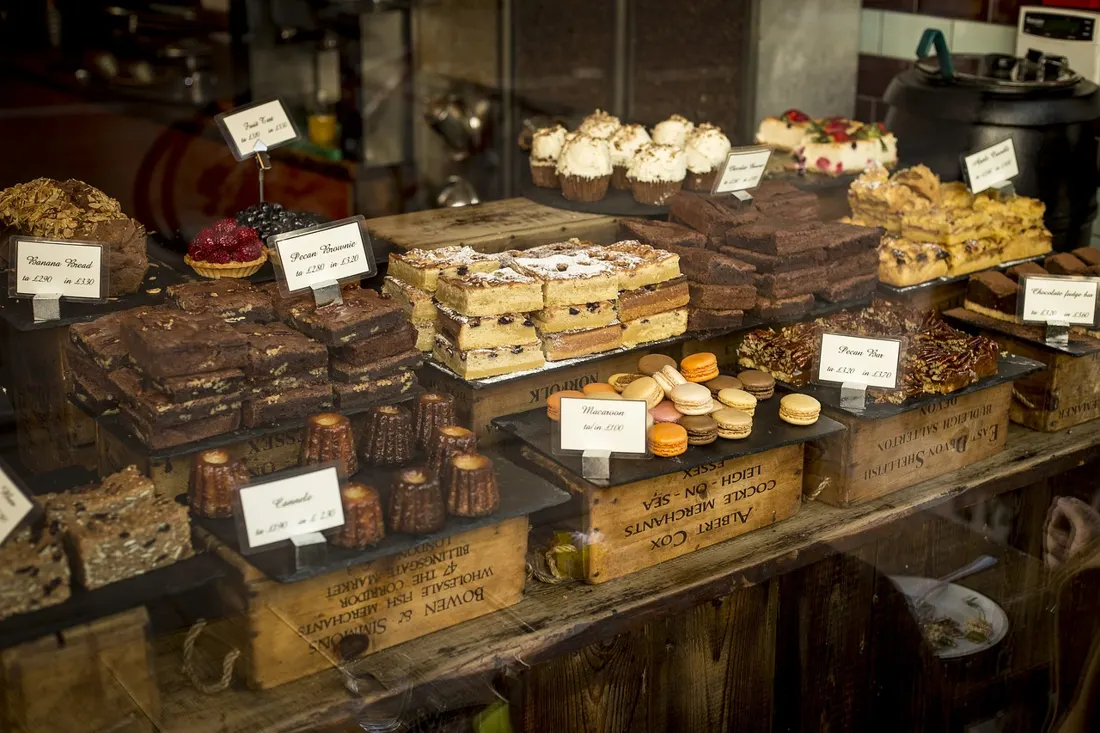
It isn't reserved for special occasions the way a wedding cake would be — this is genuinely everyday food, sold by the slice in bakery windows next to bread and rolls. A trip to the neighborhood cukiernia for an afternoon slice with coffee is a normal, unremarkable errand.
That said, it does have its ceremonial moments too. It regularly appears at imieniny (Polish name-day celebrations, often treated as a bigger deal than birthdays), and a slice frequently rounds out the dessert table at Wigilia, Poland's twelve-dish Christmas Eve dinner, alongside poppy seed cake and gingerbread.
It's typically served with black tea or coffee rather than as a standalone treat, cut into modest rectangular slices rather than the wide wedges common elsewhere. Portion size tends to be smaller too — it's rich enough that a thin slice usually does the job.
Where to Find Real Sernik Outside Poland
For the Polish diaspora, tracking down a genuine one usually means finding a Polish deli or bakery rather than an ordinary supermarket. Cities with large Polish communities — Chicago, London, and parts of New Jersey among them — tend to have at least one cukiernia or delikatesy stocking a fresh version, often labeled simply "cheesecake" in English with no further explanation.
Failing that, home baking is genuinely the more reliable route, since twarog itself is often easier to find abroad than a finished, authentic slice. Polish and Eastern European grocery stores stock it under its own name or as "farmer's cheese," and a growing number of English-language food blogs now publish faithful recipes rather than Americanized versions that quietly swap in cream cheese.
Most Polish bakeries sell it na wagę — by weight rather than by the standard slice — so a single order can range from a thin sliver to a hefty wedge depending entirely on what the customer points at through the glass. It's a small detail, but it says something about how unfussy the whole tradition is: nobody is measuring out a "correct" portion, because there isn't one.
Sernik and Pączki: Two Sides of the Same Sweet Tooth
Poland's dessert calendar has a rhythm to it, and sernik and pączki, Poland's filled Fat Thursday donuts, sit at opposite ends of it. Pączki belong to one single, frantic day of indulgence before Lent begins. This cheesecake belongs to every ordinary week of the year.
Where pączki are fried, filled, and built for a once-a-year sugar rush, it's baked, restrained, and built to be eaten in modest slices on a completely unremarkable Wednesday afternoon. Together they say something real about Polish food culture: it has room for both the over-the-top celebration dish and the quiet, reliable everyday one, and nobody treats either as more "authentic" than the other.
The same pattern shows up across Polish cooking generally — a rustic, no-fuss classic like bigos, Poland's slow-simmered hunter's stew, sits comfortably in the same national menu as a delicate baked cheesecake, because Polish food was never trying to be consistently fancy or consistently humble. It was just trying to be good.
Frequently Asked Questions About Sernik
Is sernik the same as cheesecake?
Sernik is Poland's version of cheesecake, but it's made with twarog (Polish farmer's cheese) instead of cream cheese, giving it a lighter, tangier, less sweet result than the dense American style most people picture when they hear "cheesecake."
What is twarog, and can I substitute something for it?
Twarog is a fresh, unripened Polish farmer's cheese, pressed and firm but still creamy, sold as "ser biały" in Polish grocery stores. Outside Poland, well-drained full-fat ricotta or strained cottage cheese are the closest workable substitutes, though the texture won't be identical to the real thing.
Can I make sernik with cream cheese instead?
You can, and plenty of diaspora households do out of convenience, but purists will point out it stops being real sernik at that point — the entire character of the dessert comes from twarog's firmer, tangier profile, not cream cheese's smooth richness.
Is sernik only eaten at Christmas or special occasions?
No — sernik is everyday bakery food in Poland, sold by the slice year-round. It does show up more often around Wigilia and at name-day celebrations, but it's just as normal to find someone eating it with afternoon coffee on an ordinary Tuesday.
What does sernik krolewski mean?
Sernik krolewski translates to "royal cheesecake" — a richer variation layered or swirled with dark chocolate or cocoa sponge, generally reserved for birthdays and bigger celebrations rather than everyday baking.
How long does it keep, and can it be frozen?
A well-wrapped slice keeps in the refrigerator for four to five days without losing much texture, since the dense twarog filling holds moisture well. It also freezes surprisingly well for up to two months — a common trick in Polish households ahead of a big holiday, so the baking is out of the way before guests arrive.

Key Facts About Sernik
| Fact | Detail |
|---|---|
| Main ingredient | Twarog (Polish farmer's cheese), not cream cheese |
| Texture | Lighter, slightly grainy, less sweet than American cheesecake |
| Common variations | Krolewski, wiedenski, na zimno |
| Typical crust | Thin shortcrust pastry, or no crust at all |
| When it's eaten | Year-round, plus Wigilia and imieniny (name-day) celebrations |
| Usually served with | Black tea or coffee, in modest rectangular slices |
It rarely gets the international spotlight that pierogi or paczki attract, mostly because it doesn't photograph as dramatically and has no single dramatic "day" attached to it the way Fat Thursday does. But ask any Pole to name the dessert they actually miss most when they're away from home, and there's a very good chance twarog-based cheesecake tops the list — quietly, the way the best comfort food always does. It doesn't need a festival or a folk story to earn its place at the table; it just needs a fresh block of twarog and someone willing to grind it, the way Polish kitchens have been doing for generations.