Every year, starting in late August, something happens across Poland that has no real equivalent anywhere else in Europe: entire families quietly vanish into the forest before sunrise, wicker baskets in hand, and don't come back until they've filled them. It's called grzybobranie — mushroom hunting — and Polish media routinely describes it as a national sport, which is not an exaggeration. This is not a niche hobby for retirees and foragers. It is one of the most widely practiced autumn traditions in the entire country.
Outside Poland, this barely registers. English-language coverage of grzybobranie mostly exists as a footnote on food blogs selling dried porcini, a single paragraph before the recipe starts. That undersells what's actually happening: a genuinely mass cultural ritual, passed down through generations, with its own etiquette, its own secrecy, its own vocabulary, and — because some of the lookalikes are lethal — its own very real stakes.
This is a look at what grzybobranie actually is: why it grips an entire country every fall, what people are actually looking for in those forests, the unwritten rules experienced foragers follow, and why getting it wrong can be dangerous in a way that a supermarket mushroom aisle never is.
What Is Grzybobranie?
Grzybobranie translates literally to "mushroom-taking" or "mushroom gathering," and it refers to the practice — and really the season — of foraging wild mushrooms in Poland's forests. The peak window runs from late August through October, with September generally considered the high point, though dedicated foragers start checking the woods as early as spring for the first opportunistic finds.
What makes grzybobranie different from casual foraging elsewhere is the sheer scale of participation. This isn't a fringe activity practiced by a small community of enthusiasts; it's something a huge share of Polish households do at least occasionally, and something a significant number treat as a near-religious autumn ritual. Poland's dense, extensive forest cover — much of it publicly accessible — makes this possible in a way it simply isn't in more built-up parts of Western Europe.
Mushroom Foraging Poland Takes This Seriously
It's worth being precise about scale here, because "national pastime" undersells it. Surveys of Polish households consistently find that a majority forage for mushrooms at least occasionally, and a substantial share do it every single year without fail, treating a missed season the way someone else might treat a missed family holiday. This isn't a rural phenomenon either — city dwellers in Warsaw, Kraków, and Poznań routinely drive an hour or more into nearby forest to keep the tradition going, often with three generations in the same car.
The Legal Right to Forage in Poland
Part of what sustains grzybobranie at this scale is that it's completely legal and free almost everywhere it matters. Poland's State Forests, managed by the government body Lasy Państwowe, cover roughly 7.6 million hectares — about a quarter of the entire country — and recreational mushroom picking on that land requires no license, no certification, and no fee.
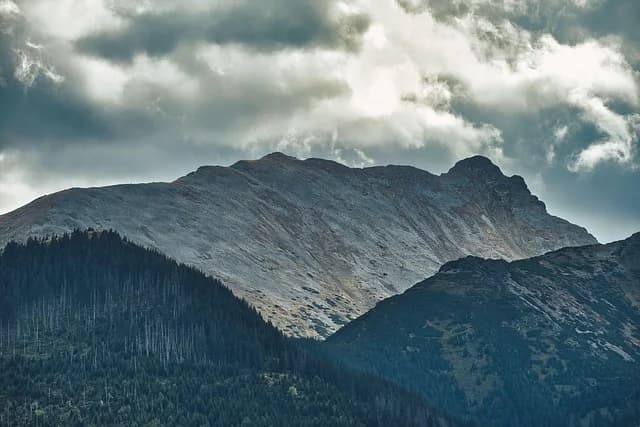
There's also no legal cap on how much you can pick for personal use, a genuine contrast with countries like Germany or Italy, where daily foraging limits are common. The major restriction is location, not quantity: picking is strictly prohibited inside national parks, such as Białowieża or the Tatras, where it's treated as a serious conservation offense with real fines attached. Commercial picking — gathering in bulk to sell at markets — is a separate, more regulated category requiring qualified inspection of the harvest. Poland's cultural institute has explored why the obsession runs so deep, tracing it back well beyond simple economics.
Borowik and the Mushrooms Poles Actually Look For
Polish foraging culture has its own detailed vocabulary for what's worth finding, and the affectionate, almost domestic names given to edible species say a lot about how deeply this tradition runs. Prized varieties get warm, diminutive nicknames — kurka ("little chicken") for chanterelles, gąska ("little goose") for certain tricholomas, zajączek ("little hare") for others — the linguistic equivalent of a nickname for a beloved pet.
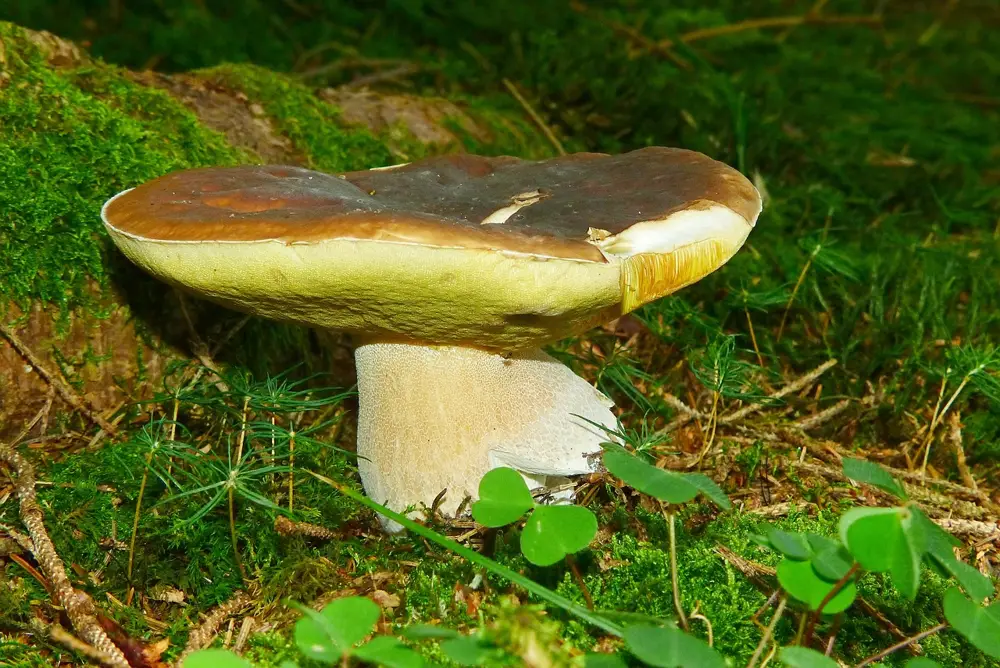
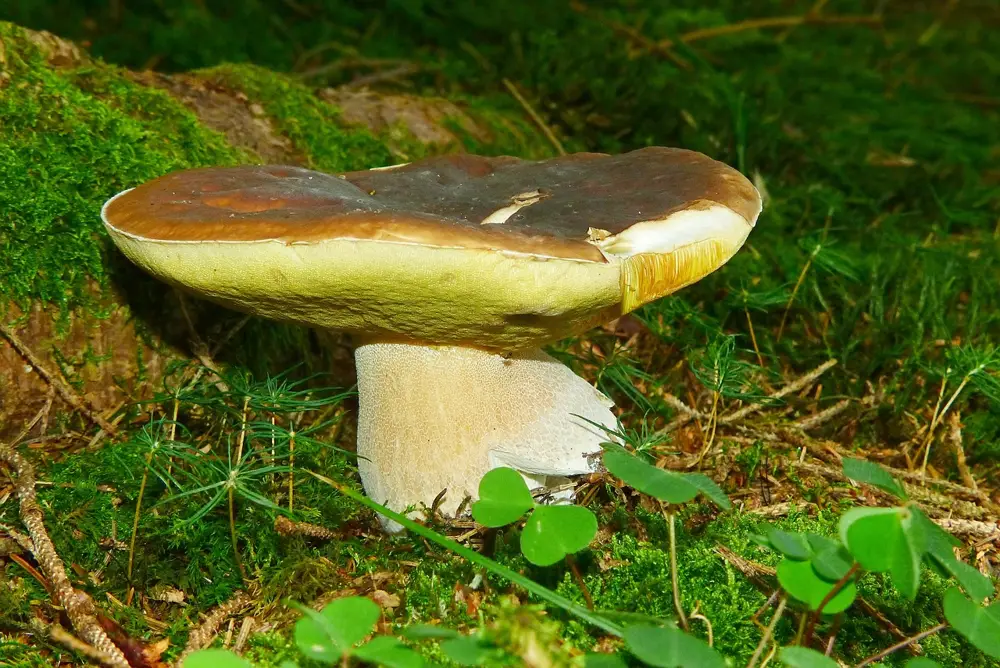
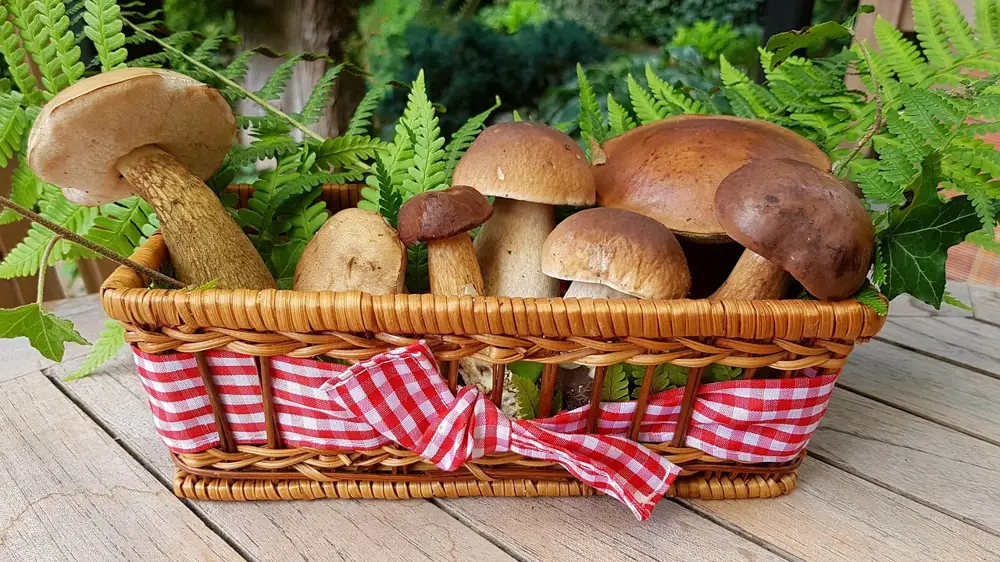
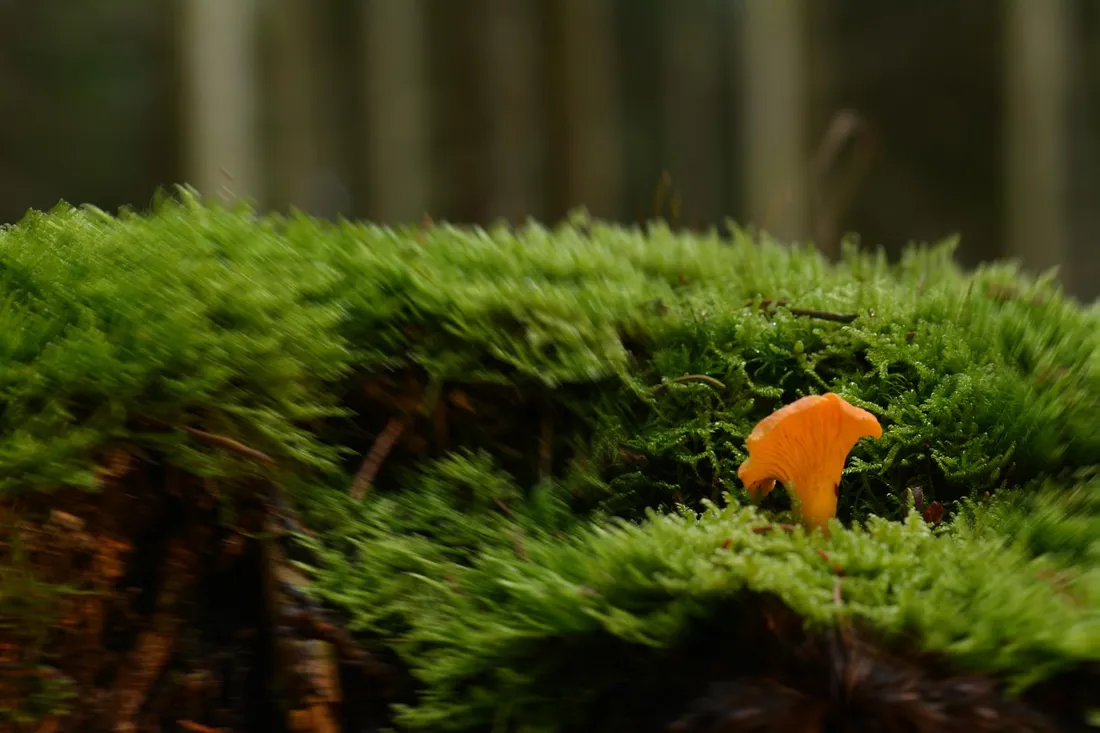
The undisputed king is borowik, also called prawdziwek — literally "the real one" or "the true one" — a large, meaty porcini with a thick white stem and a deep brown cap. Finding a good borowik patch is the kind of thing a serious grzybiarz (mushroom hunter) might not even tell their own siblings about. Just behind it in prestige is podgrzybek, the bay bolete, nicknamed "bread of the forest" for how reliably abundant it is even in a mediocre season. Kurka — the golden chanterelle — is prized partly because, unlike many other varieties, it has essentially no dangerous lookalikes, making it a forgiving choice for less experienced foragers.
Grzybobranie's Deadly Lookalikes
The reason grzybobranie isn't treated casually, even by people who've done it their whole lives, is muchomor — the broad Polish term for Amanita mushrooms, several of which are genuinely lethal. Muchomor sromotnikowy, the death cap, is responsible for the overwhelming majority of fatal mushroom poisonings worldwide, and it can closely resemble edible varieties to an inexperienced or careless eye, particularly kania, the parasol mushroom, when both are young.
This is the real reason foraging knowledge gets passed down so deliberately from grandparent to parent to child, rather than picked up casually from a book: identification is learned hands-on, over years, from someone who already knows exactly what they're looking at. The unbending rule every serious forager repeats is simple and absolute — if you cannot positively identify a mushroom with total confidence, you do not eat it, no exceptions, no matter how much it resembles something safe.
Poland takes this seriously enough that pharmacies and some markets during peak season keep an on-call mycologist or trained inspector available specifically to check a stranger's basket on request, free of charge, precisely because the consequences of a wrong guess are severe enough to justify the extra step. Hospitals see a predictable spike in mushroom poisoning cases every autumn, almost always traced back to someone skipping that basic verification step out of confidence or convenience.
Where to Go: Poland's Best Mushroom Foraging Regions
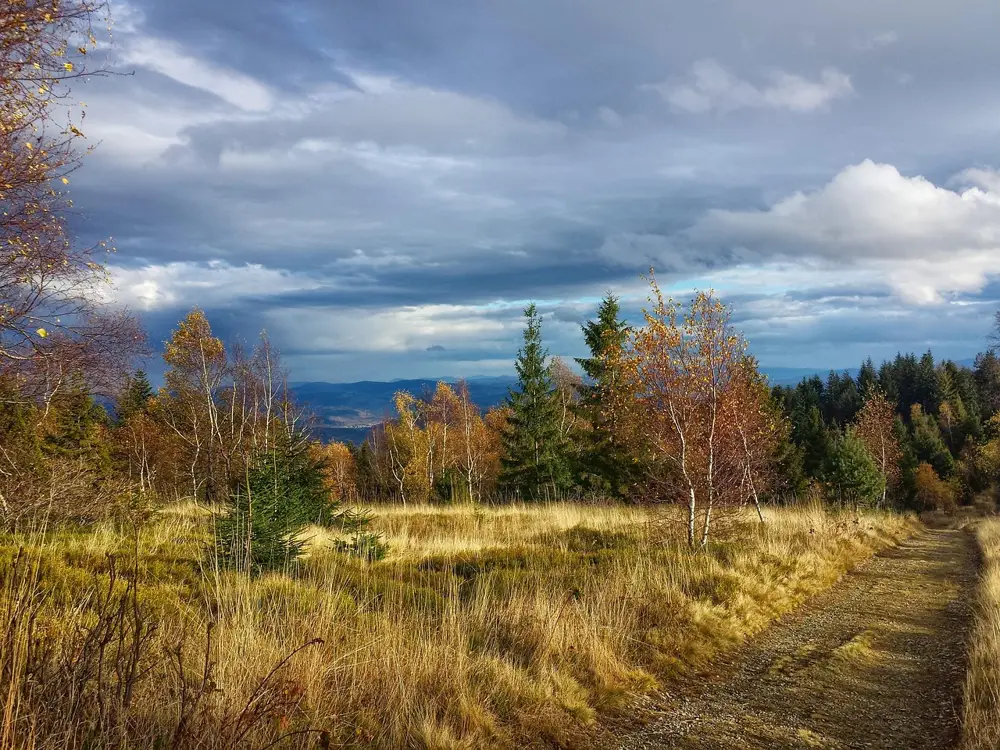
Not all Polish forest is equal for foraging, and experienced grzybiarze have strong, often fiercely defended opinions about where to go. The Bieszczady mountains in the far southeast are considered among the most productive and least crowded, thanks to their sheer size and comparatively low population density. Kashubia, in the north near the Baltic coast, is known for its mixed forest and lake-dotted landscape that produces excellent chanterelle conditions. Roztocze, a rolling upland region in the southeast, draws serious foragers for its old-growth pine stands, exactly the kind of habitat borowik favors.
Closer to major cities, the forests ringing Warsaw and the Kampinos area just west of it get heavy weekend traffic during peak season precisely because they're so accessible, which experienced foragers see as a trade-off: convenience against competition. Some of the most dedicated grzybiarze will happily drive two or three hours past a mediocre local forest to reach a spot they trust, treating the trip itself as part of the ritual rather than an inconvenience.
Weather Every Serious Forager Watches
Grzybobranie isn't just a calendar season — it's a weather pattern. Mushrooms need moisture, and experienced foragers track rainfall closely, knowing that a good, soaking rain followed by several days of mild, humid weather reliably triggers a flush of new growth roughly a week to ten days later. A dry, hot stretch during peak season can leave even the most reliable known spots frustratingly bare, which is part of why foraging knowledge includes as much informal meteorology as it does mushroom identification.
This is also why grzybobranie has no fixed start date the way a harvest festival might. Some years the first good borowik appears in July after an early wet spell; other years foragers are still waiting deep into September. Serious pickers treat forecasts the way farmers do, timing trips around rain rather than around the weekend.
The Unwritten Rules of Polish Mushroom Hunting
Grzybobranie has an etiquette that experienced foragers follow almost instinctively, even though none of it is written down anywhere official.
The wicker basket itself isn't just tradition for its own sake — it's functional. Mushrooms kept in a sealed plastic bag start sweating and breaking down within an hour, while an open-weave basket lets air circulate and keeps the harvest in good condition for the walk back. Plastic bags are considered close to a beginner's mistake among serious foragers, right alongside picking a mushroom you can't confidently name.
Serious grzybiarze go out at dawn, often before sunrise, specifically to beat other foragers to the best spots — arriving at a known patch even twenty minutes late can mean finding it already picked clean. Good foraging locations are treated as closely guarded personal or family knowledge, sometimes literally never shared outside the immediate family, passed along the way a fishing spot might be, except with generations more sentimental weight attached to it. Pickers use a knife rather than pulling mushrooms out by hand, cutting the stem at the base to avoid disturbing the underground mycelium that will produce next year's crop — an informal conservation ethic nobody had to legislate, because it's simply understood.
What Happens to the Mushrooms Afterward
A big haul doesn't get eaten all at once — a large part of the ritual is preserving mushrooms for the winter months ahead, when the forest offers nothing at all. Drying is the most traditional method, with strings of sliced mushrooms hung near a stove or window until they're leathery and shelf-stable, ready to be rehydrated for soup months later. Pickling in vinegar brine and freezing raw or sautéed mushrooms are both common as well, and a well-stocked Polish pantry heading into winter often holds jars and freezer bags from that year's foraging alongside store-bought staples.
The single most iconic destination for foraged mushrooms is zupa grzybowa — Polish mushroom soup — which shows up constantly through autumn and winter and holds a genuinely sacred spot at Wigilia, Poland's twelve-dish Christmas Eve meal. A soup made from mushrooms a family member personally foraged and dried themselves carries a completely different weight at that table than one made from anything bought at a shop, and plenty of Polish families would tell you the flavor really is different too.
Beyond soup, dried borowik gets folded into pierogi filling, sauces for winter roasts, and — for the more adventurous households — steeped into homemade nalewka, the fruit-and-herb infused liqueur tradition, producing an earthy, forest-flavored variant that shows up at exactly the kind of family gathering where someone inevitably asks where the mushrooms came from, and just as inevitably doesn't get a straight answer.
Grzybobranie FAQ
What does grzybobranie mean?
It translates to "mushroom gathering" or "mushroom taking," and refers to both the activity of foraging wild mushrooms in Polish forests and the broader autumn season when it happens, roughly late August through October.
Is it legal to pick mushrooms in Poland?
Yes, for personal use, in Poland's State Forests, without a license or fee, and with no quantity limit. The major exception is national parks, such as Białowieża or the Tatras, where foraging is prohibited and enforced with real fines.
Why do Poles go mushroom hunting so early in the morning?
Serious foragers go out at or before dawn specifically to reach known productive spots before other pickers arrive. In popular forest areas during peak season, a good patch found late in the morning may already be picked clean.
What is the most dangerous mushroom to avoid in Poland?
Muchomor sromotnikowy, the death cap, is responsible for the vast majority of fatal mushroom poisonings and can be mistaken for edible varieties like young kania (parasol mushrooms) by inexperienced foragers. The universal rule is to never eat anything you cannot identify with total certainty.
What is the most prized mushroom in Polish foraging?
Borowik, also called prawdziwek ("the true one"), a large porcini-type mushroom with a thick stem and deep brown cap. Finding a reliable borowik spot is treated as valuable, closely guarded personal knowledge among serious foragers.
Are there mushroom festivals in Poland?
Yes. Several towns near productive forest regions hold seasonal mushroom festivals and foraging competitions during peak season, complete with cooking demonstrations, identification workshops for beginners, and prizes for the largest or most unusual finds. They're as much a community celebration of the harvest as they are a foraging event, and a good entry point for anyone who wants to learn from experienced local foragers rather than guessing alone.
Grzybobranie: Key Facts at a Glance
| Fact | Detail |
|---|---|
| Meaning | "Mushroom gathering" or "mushroom taking" |
| Peak season | Late August through October; September is typically busiest |
| Legal status | Free and unrestricted for personal use in State Forests (Lasy Państwowe) |
| Prohibited areas | National parks (e.g., Białowieża, the Tatras) |
| Most prized mushroom | Borowik / prawdziwek (porcini) |
| Most dangerous lookalike | Muchomor sromotnikowy (death cap) |
| Traditional preservation | Drying, pickling, and freezing for winter use |
| Signature dish | Zupa grzybowa (mushroom soup), especially at Wigilia |
Grzybobranie survives, generation after generation, for a reason that has nothing to do with nostalgia: it's genuinely useful, genuinely free, and genuinely woven into how Polish families eat through the winter. A basket of mushrooms someone found themselves, on a specific patch of forest they may never tell you the location of, still beats anything sitting in a supermarket bin — and for millions of Poles, that's reason enough to be out there again before sunrise this September.
If Poland's other cold-weather rituals interest you, morsowanie — the country's winter cold-water swimming tradition — runs on a similar mix of stubborn habit and genuine enthusiasm. And if you're weighing a longer stay in Poland where a forest like this might actually be within reach, the best cities in Poland for expats is worth a look.